Today, there is a clear preference for food products that offer genuine traceability, ideally organic or certified as such.
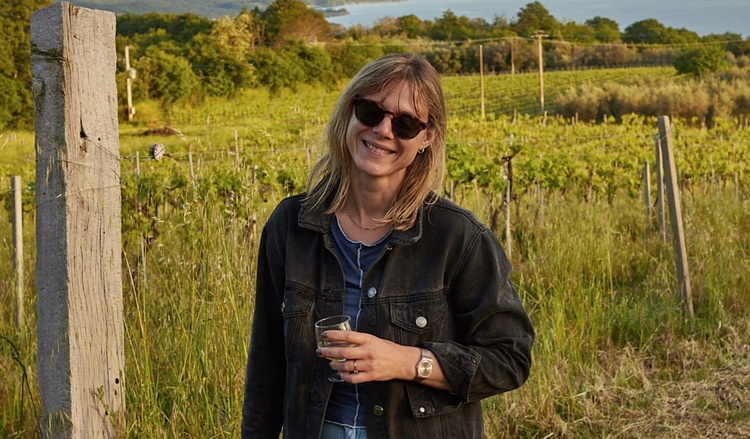
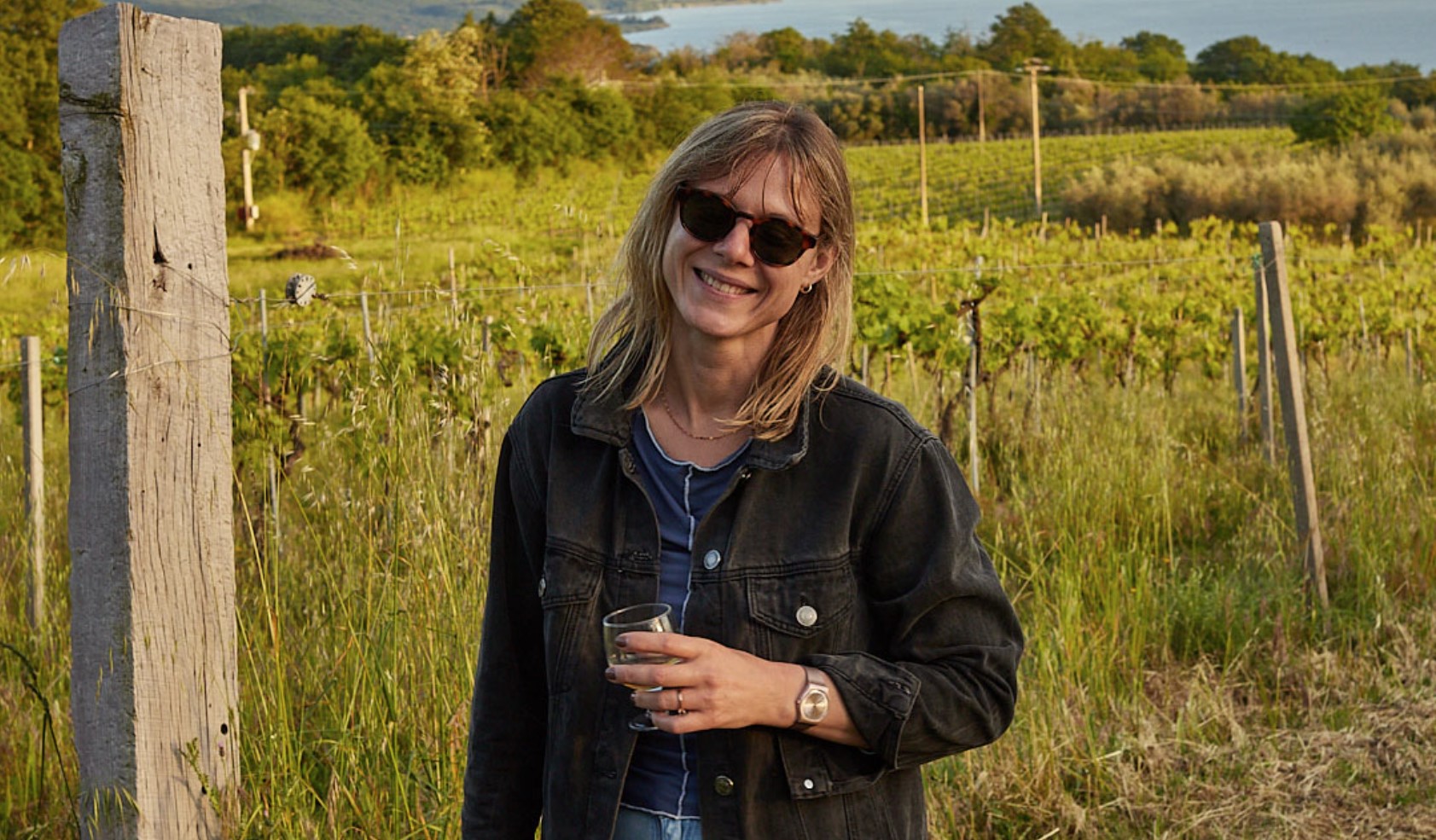
The same applies to wine, with the rise of natural wines. What was once considered a niche has now earned its place in the spotlight and attracted a growing following. Italy and Australia are no exception, as explained by Rachel Signer, an author, wine tour organiser and wine producer based in the Adelaide Hills.
Signer is originally from the United States, but her roots extend to Campania and Sicily, from where her great grandparents emigrated in search of a better life.
“I love writing books about natural wines, which, in short, are made with no added additives, often in a lighter style,” she explains.
“I have also published a print magazine about natural wine called Pipette, and I produce natural wine under the Cleopatra Wines label. In recent years, wine has also helped me connect more deeply with my Italian roots.”
Signer returns to Italy whenever she can, often leading wine tours open to anyone interested, and she is always happy to return to Ristorante da Gregorio in Orvieto for long lunches featuring local dishes paired exclusively with natural wines from the area.
Although natural wines are popular in both Australia and Italy, Signer has noticed some key differences between the two countries. In Italy, the movement has deep roots, with younger generations reworking traditional styles and making them more accessible and engaging.
In Australia, natural wine producers are fewer, partly because the movement is newer, but still dynamic, where “new labels manage to express a strong sense of individuality”.
“The biggest difference between the two countries is that in Italy it is much more affordable to buy land with a vineyard. This allows young producers to invest while building their brand,” she says.
“In Australia, the cost of vineyards is prohibitive, so new producers have little choice but to work with other growers. That’s not necessarily a problem, but it can be less stable and less satisfying.”
When it comes to Italian natural wines, Signer is very clear about her preferences. Upper Lazio, where Umbria, Tuscany and Lazio meet, holds a particular and irresistible appeal, thanks to “an incredible diversity of grape varieties, traditions and soils”.
“The area around Lake Bolsena is truly exceptional for wine, with around a dozen producers making interesting organic wines,” she adds.
“Among those I admire are La Villana, Andrea Occhipinti, La Gazzetta and Corvagialla.”
She also highlights Sicilian wines, both those produced on the slopes of Mount Etna and those from the Trapani and Vittoria areas. Among her favourites are Vino di Anna, Gustinella, Nino Barraco and Kalma Wines.
Lazio, however, remains closest to her heart. “I always dream of staying there for a while, and I hope to do so with my family very soon,” she shares.
“I have also applied for Italian citizenship by descent, even though the process has become more complicated. That said, citizenship by descent is deeply rooted in the Italian legal system, and the situation is evolving quickly, so I remain optimistic.”
Signer also hopes her daughter will grow up bilingual. “I love Italy not only for the wine and food. I genuinely appreciate its history, literature, music and landscapes, especially in the south.”
When asked about the current state of the Australian wine industry, facing imbalances between supply and demand, economic pressures and changing consumer preferences, Signer responds with optimism and a spirit of reinvention that feels distinctly Italian.
“I think it’s really worth it for wine producers, in Australia as well as in Italy, to diversify what they do,” she argues.
“Making wine in this economy is very difficult. If you can run an agriturismo, open your cellar to the public, have a bar or grow your own herbs and vegetables, do it.
“You add complexity to your wine business in a way that can be helpful, and you also expand your network.”
So, is the future bright for natural wines? “Overall, the quality of natural wines in both Italy and Australia is very high right now,” Signer says, “It’s really about creating new opportunities and continuing to grow.”