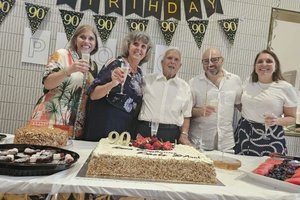
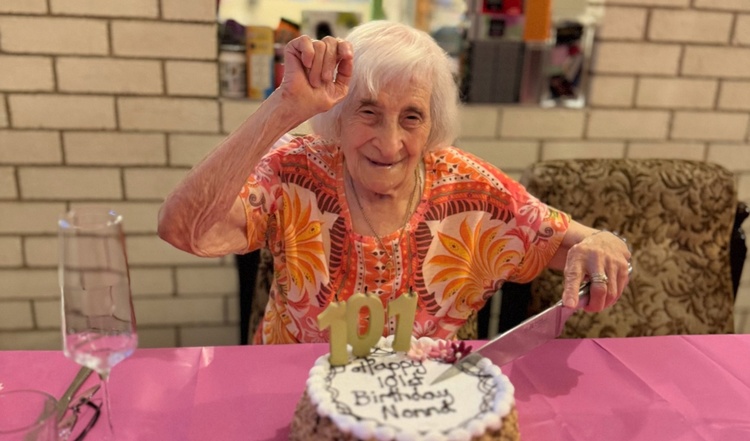
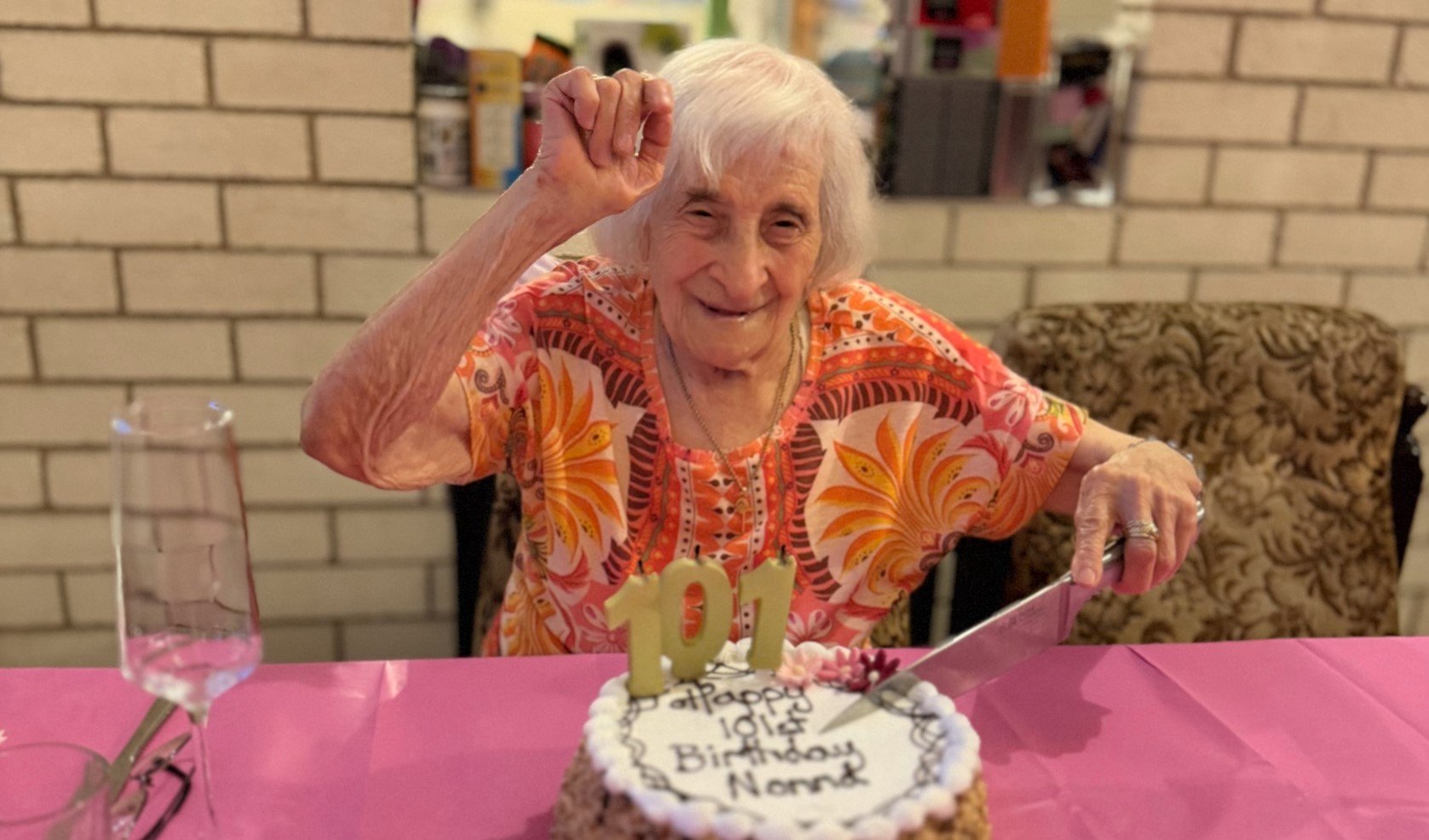
For the Mirabilio family, the milestone was an opportunity to pause and reflect: on war, migration and the daily struggle of building a life from nothing.
Born Milena Santuccione in 1924 in Abruzzo, in the province of Pescara, she grew up in an Italy scarred by the Second World War.
She met her husband Luigi in 1943 and they married in 1945, in a small village church just days before the conflict ended.
But when the war was over, there was nothing to return to. The town was destroyed, work was non-existent, food was scarce. “She always said they had nothing,” recalls her granddaughter, Erica. “Not even enough to eat.”
With two young children, leaving Italy became a necessity.
As was the case for many Italian migrants, Luigi left for Australia first, taking whatever work he could find: plumber, barber, labourer at the naval base.
In 1960, Milena joined him with the children after a month-long sea voyage. Their entire life fit into a single trunk, which the family still keeps today.
In Australia, she worked in a sewing factory in Flemington. But the challenges were not only financial. Everything was different: the language, the culture, the food, the way of life.
“She used to say that even a lemon wasn’t the same lemon,” Erica remembers.
The language barrier made integration slow and difficult, but over time Australia became home—a country that, as she has often said, offered her a better life than the one she had left behind.
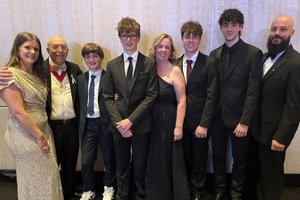
In 1996, at the age of 70, Milena lost Luigi. She has now lived more than 30 years without him, but never alone. Family has always remained at the centre of her life, and today three generations grow around her steady and reassuring presence.
Her character is a direct result of what she endured. Deeply religious, convinced that everything is “in God’s hands”, she is a woman who wastes nothing and never complains.
Used to making the most of very little, she has turned hardship into strength. “She’s the most resilient person I know,” says Erica. “I’ve never heard her complain.”
For her, family is a daily responsibility. She remembers birthdays, appointments, schedules—everything.
At 101, she still waits at the door to farewell those leaving the house and struggles to sleep unless she knows everyone is safely home.
Italian traditions live on in the simplest gestures: home cooking, a garden full of tomatoes, sewing, manual work. Not as folklore, but as a way of being in the world.
“She brings everything back to what’s essential, to what truly matters,” Erica observes.
When asked to define her legacy, the answer is not about personal achievements or individual success. It’s about what she built for others—family, continuity and a future made possible.