They listen and indulge, becoming the pillars on which a family relies. Their stories are an irreplaceable legacy of a time gone by.
In their sayings and anecdotes, the customs and traditions of a very different society resurface; in the black-and-white photographs of their youth, grandchildren find a lasting reminder that time passes for everyone.
Grandparents teach us how to inhabit the present. Their gaze, less fixed on what is to come, gives weight to what is and what has been.
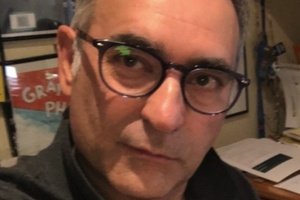
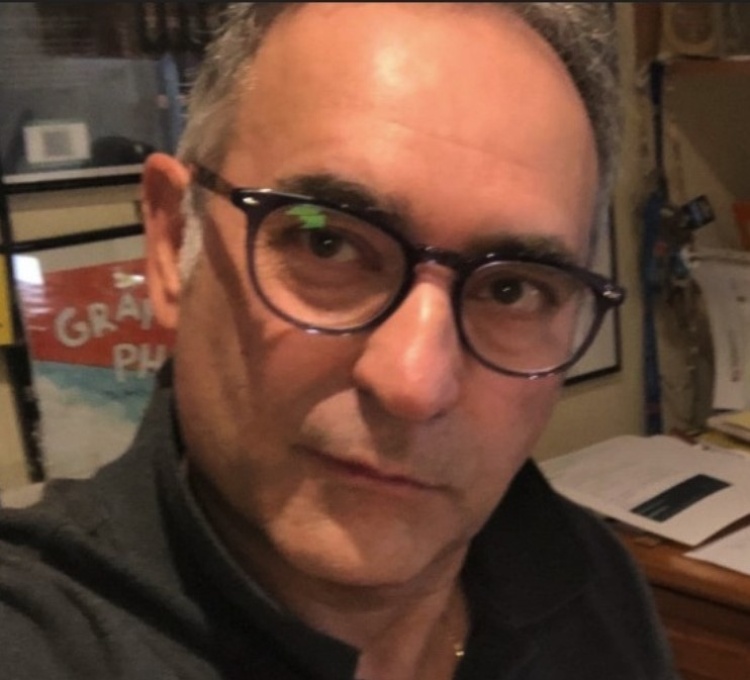
Capturing this human legacy with remarkable sensitivity is Italo-Australian writer Archimede Fusillo, author of the novel The Dons, published in 2002.
“The central theme is the importance of family and, above all, respect for the elderly,” he explains.
“I realised that often, once you reach a certain age, you become invisible. Your stories and experiences are no longer acknowledged, as if they have no value.”
The insight is closely tied to his own life. “I grew up with my grandmother, Maria Teresa,” he shares, “After she passed away, I thought about how many things she never told me.
“She was widowed young—my father was only seven years old—and she raised three children on her own. Yet she never spoke about her life. I began to wonder what experiences she had kept inside.”
From this reflection came the novel’s storyline: the relationship between an elderly grandfather and his 14-year-old grandson, Paul.
The boy sees him only as a burdensome old man, failing to understand that this man was once young, that he loved and suffered. When the grandfather’s memory begins to fade, there is a risk that an entire legacy of memories will fade with it.
“If you don’t listen now, tomorrow may be too late,” Fusillo observes.
The book received numerous awards and was widely adopted in schools, eventually making its way to the cinema. The film, directed by acclaimed director Frank Lotito, will be titled Nonno.
“The Dons could have been misunderstood,” the author explains. “This is a story about family, about ageing, about bonds—an adaptation was necessary.”
In a big coup for the film, Italian movie star Franco Nero will play the grandfather. “I am deeply honoured that he believed in this story,” Archimede says.
While the film adaptation is an exciting project, Fusillo remains focused first and foremost on writing. “My Italian roots have been the catalyst for my writing, but I try to tell universal stories,” he reveals, adding, “The stories of the elderly have value only if someone is willing to listen.”