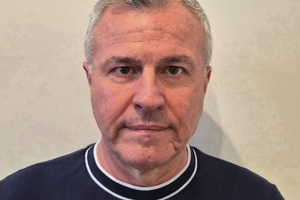
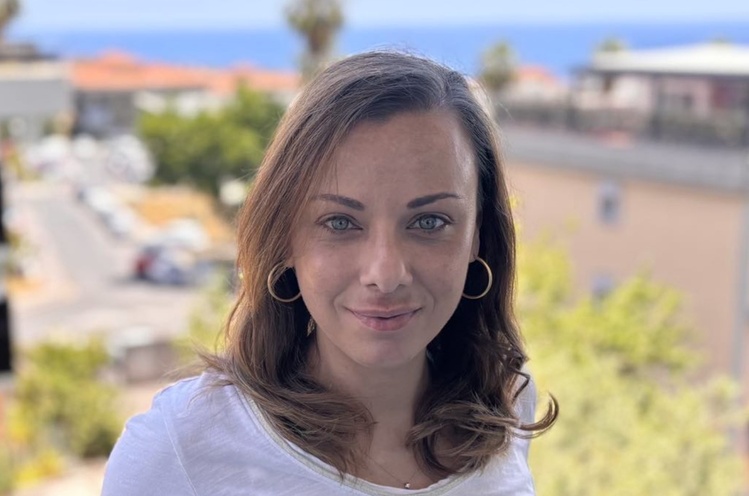
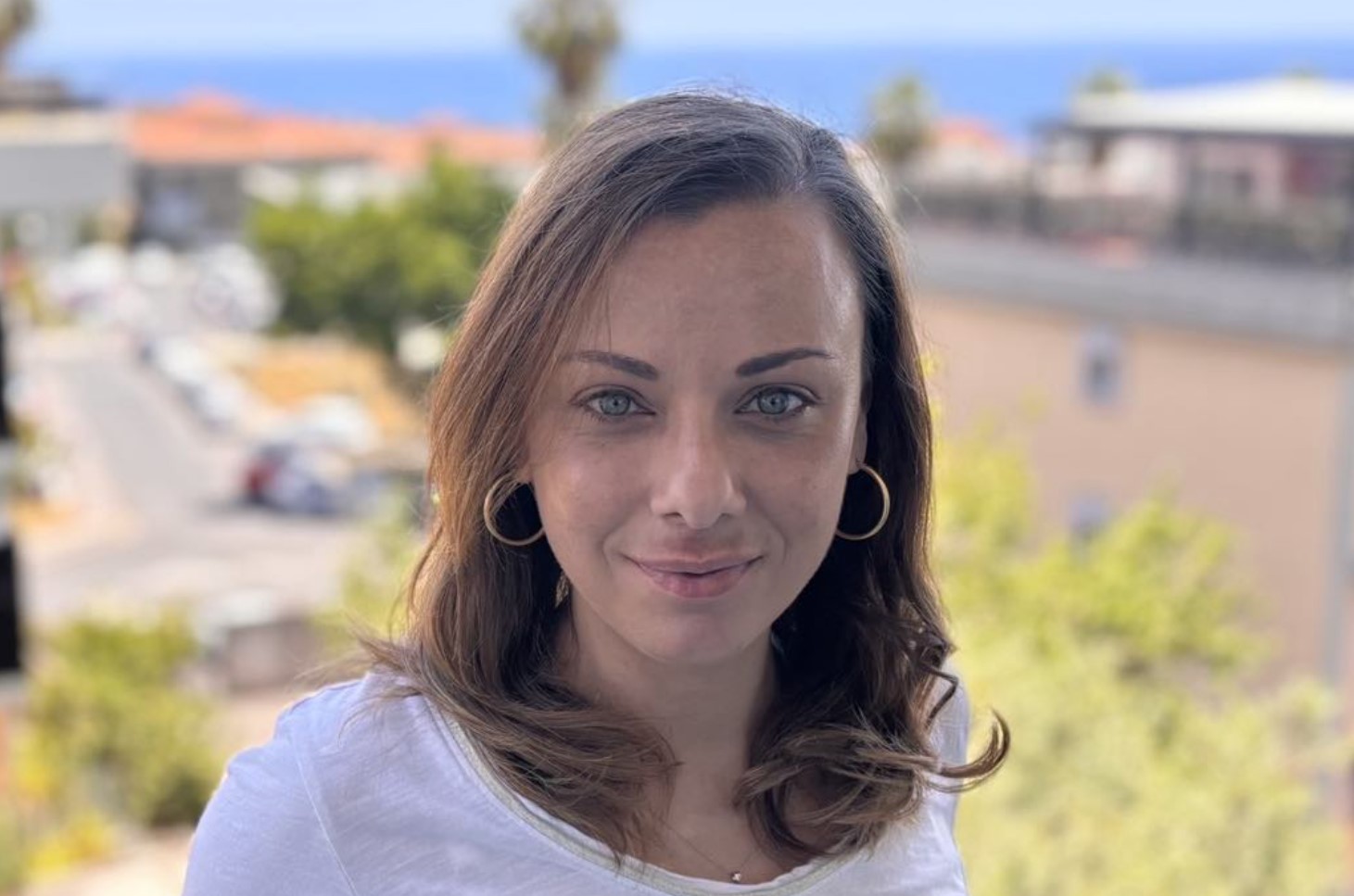
Laura Longo returned to Italy just a few months ago, but she doesn’t describe the move as “back home”. Home, for over a decade, had been elsewhere - in Australia.
Born and raised in Catania, the now 40-year-old biology graduate decided in 2014 to leave Southern Italy in search of opportunities she couldn’t find in her own country.
“Both my then-partner and I were working precariously, with no real prospects of stability,” she explained, “At that time, Australia seemed like a real, concrete alternative - one that could offer us a dignified chance to start over.”
Her first destination was Perth, where after starting out on a Working Holiday visa, Longo began studying early childhood education, a profession that was in high demand at the time.
“To obtain permanent residency, I agreed to move to Perenjori, a remote area with just over a hundred residents,” she recalled, “It was a minimalistic place, with only a town hall, a preschool, a primary school, a local pub and an old-school gas station with a small grocery store.
“That experience changed me deeply. I came to know genuine simplicity, solidarity and community life. That’s where I truly understood what it means to belong somewhere.”
After nearly six years in the education sector and securing permanent residency, Laura chose to return to her professional roots, working as a lab technician for a multinational company focused on quality control of mining samples.
The final step came on Australia Day in 2023. “Becoming an Australian citizen was the culmination of a long, demanding journey, full of sacrifices and long waits,” she shared.
“I handled all the visa applications myself, studying every regulatory update to avoid surprises. When I finally received the certificate, I felt a deep sense of belonging.
“It wasn’t just a document; it was the recognition of a personal and professional journey.”
Australia, for Longo, is not just the country that offered her stability - it’s the place where she learned to live more slowly, to value meritocracy and to embrace diversity without pretence.
“It was there that I realised an inclusive and fair society can exist, where skills matter more than connections. In Italy, you often get ahead only if you know the right people. I didn’t want to be part of that system.”
Her return to Italy wasn’t part of the plan, but was prompted for personal reasons.
“Today, I have a fixed-term administrative job. It has nothing to do with my background, neither in Italy nor in Australia,” she said.
Despite the geographical shift, Laura doesn’t feel disconnected from her Australian life. Her acquired citizenship isn’t merely symbolic, but an integral part of her identity.
“I’d love to work for Australia, even from here, to find a way to stay connected to that country,” she revealed, “I miss everything about it. I miss the intense colours, the fiery sunsets, the vast oceans, the clear blue skies, the unmistakable smells and sounds of local wildlife.
“I miss the calm of everyday life, that more human and serene pace. I miss Australia deeply, and it’s not just nostalgia; it’s a profound awareness.”
Her story, though still unfolding, reflects a growing migratory reality where individuals move back and forth between worlds, layering their sense of belonging.
Longo is a new kind of Italian-Australian, not because she has replanted roots in Italy, but because she returned with an identity that had been transformed and shaped elsewhere. Her view of Italy is now clearer, her sense of self more expansive.
It’s no longer just about emigration or traditional repatriation, but about a continuous crossing of borders, identities and perspectives.