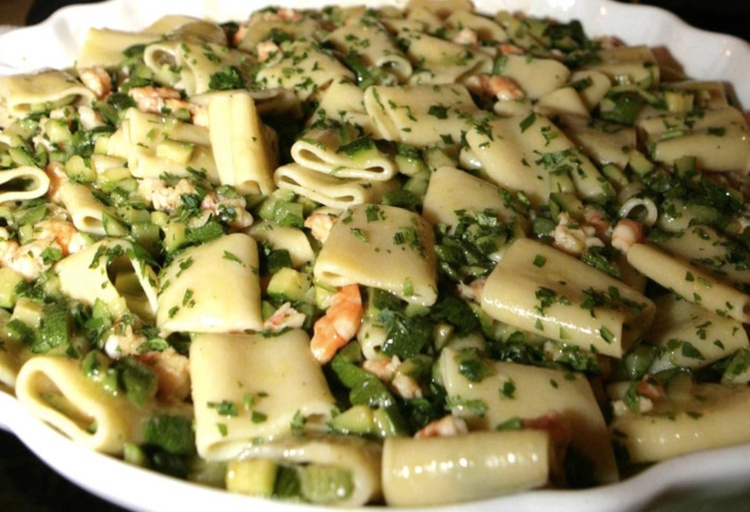
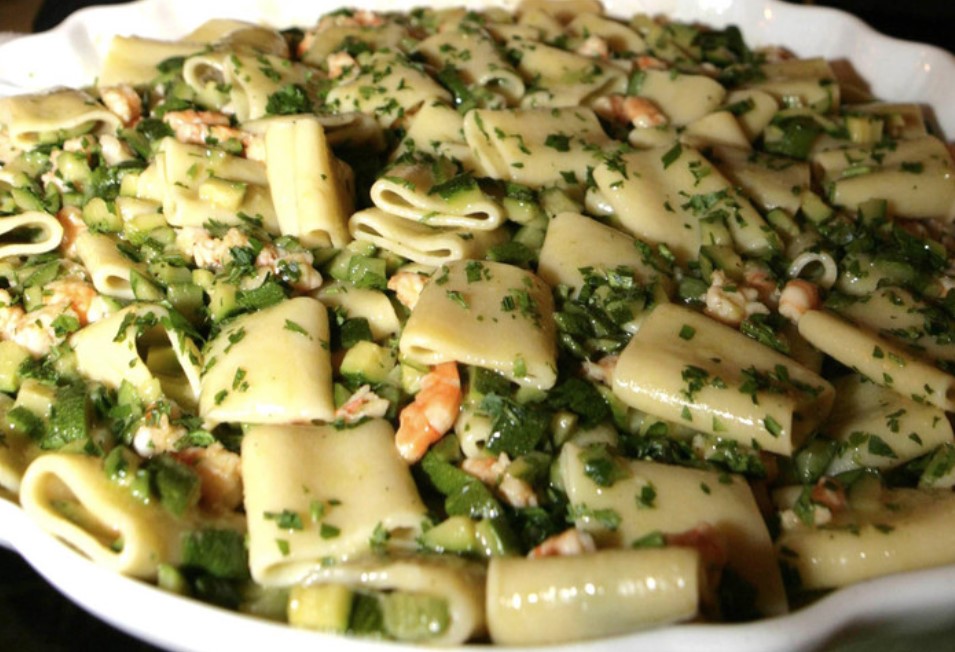
If it succeeds, the bid would put Roman cult spaghetti dish Carbonara on the same footing as the Colosseum, Venice’s tiramisu would equal the Venice Canal and Naples’ Margherita pizza like would have the same status as the Castel dell’Ovo.
After all, Italy doesn’t just have archaeological, cultural, and monumental heritage, nor just natural treasures, fashion and supercars, but also, and perhaps above all, a treasure trove of unforgettable food and wine.
And if Italian cuisine were to be declared part of UNESCO’s intangible World Heritage, as it deserves, the impact on tourist numbers would be immediate, with realistic increases of between six per cent and eight per cent in the first few years following recognition, then settling into more moderate growth of between two and three per cent over the next five years.
Overall, the boost could generate approximately 18 million additional tourist visits in two years.
This is according to estimates compiled by Fiepet Confesercenti based on data from the Bank of Italy, Unioncamere and Movimprese, and released at the national assembly for the reappointment of Giancarlo Banchieri as head of the trade association.
The meeting was also attended by MPs Angelo Rossi and Gianluca Caramanna, who emphasised the government’s strong commitment to the sector, including the fight against fake online restaurant reviews.
Foreign tourist spending in Italian restaurants, bars and public establishments continues to rise. In 2024, international visitors spent €12.08 billion, a 7.5 per cent increase over 2023.
Projections for 2025 indicate further growth, with a total expected to reach approximately €12.68 billion, a 5 per cent increase.
Meanwhile, food and wine tourism currently generates €9 billion in direct spending.
“UNESCO recognition,” explains Banchieri, “would act as a multiplier for tourism, the economy, and the country’s image.
“But for this boost to translate into real development, far-sighted policies are needed—administrative simplification, investment support, qualified training and stable rules for the businesses that represent Italy every day.
“And there’s one issue we can no longer ignore: one in two restaurant businesses struggles to find staff, not just due to a shortage of candidates, but also due to a lack of adequate skills.
“Italian cuisine is not only a fundamental component of our cultural identity, but also a true economic driver, capable of generating value, employment and tourism in every region, from small villages to major cities of art.”
“We are talking about a total value of over €250 billion in 2024, with annual growth of 4.5 per cent, equal to 19 per cent of the global market,” said Minister of Agriculture, Food Sovereignty, and Forestry, Francesco Lollobrigida, in a video message.
“These data demonstrate how important ‘Made in Italy’ cuisine is for foreign tourists, an unmistakable mark of quality that allows us to promote our traditions and, above all, our regions—the hubs of our products—becoming a lever in their travel choices,” stated Minister of Tourism Daniela Santanchè.
ANSA