The Ethnic Communities’ Council of Victoria (ECCV) has decided to break that silence by giving a voice to hundreds of thousands of citizens through the publication of essential information in twenty-two languages under the title Dignity and Respect, which today also includes a new series of brochures in five languages, including Italian, in collaboration with Seniors Rights Victoria. The information confirms to older people from non-English speaking backgrounds that they are not alone, they have rights and they can ask for help.
No one should ever lost in their age or isolated by their language, especially within their own home.
According to the latest research by the Australian Institute of Family Studies, it’s estimated that at least one in six older people aged 65 and over has experienced some form of abuse, from psychological mistreatment to neglect, and physical or sexual violence.
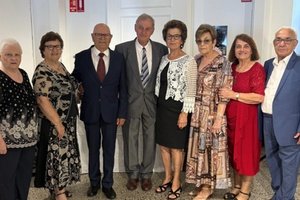
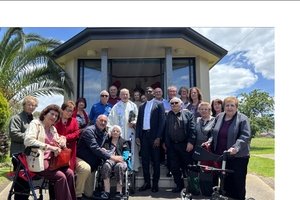
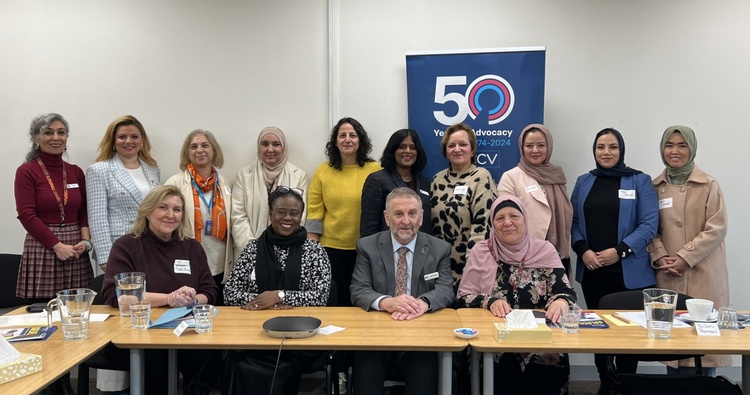
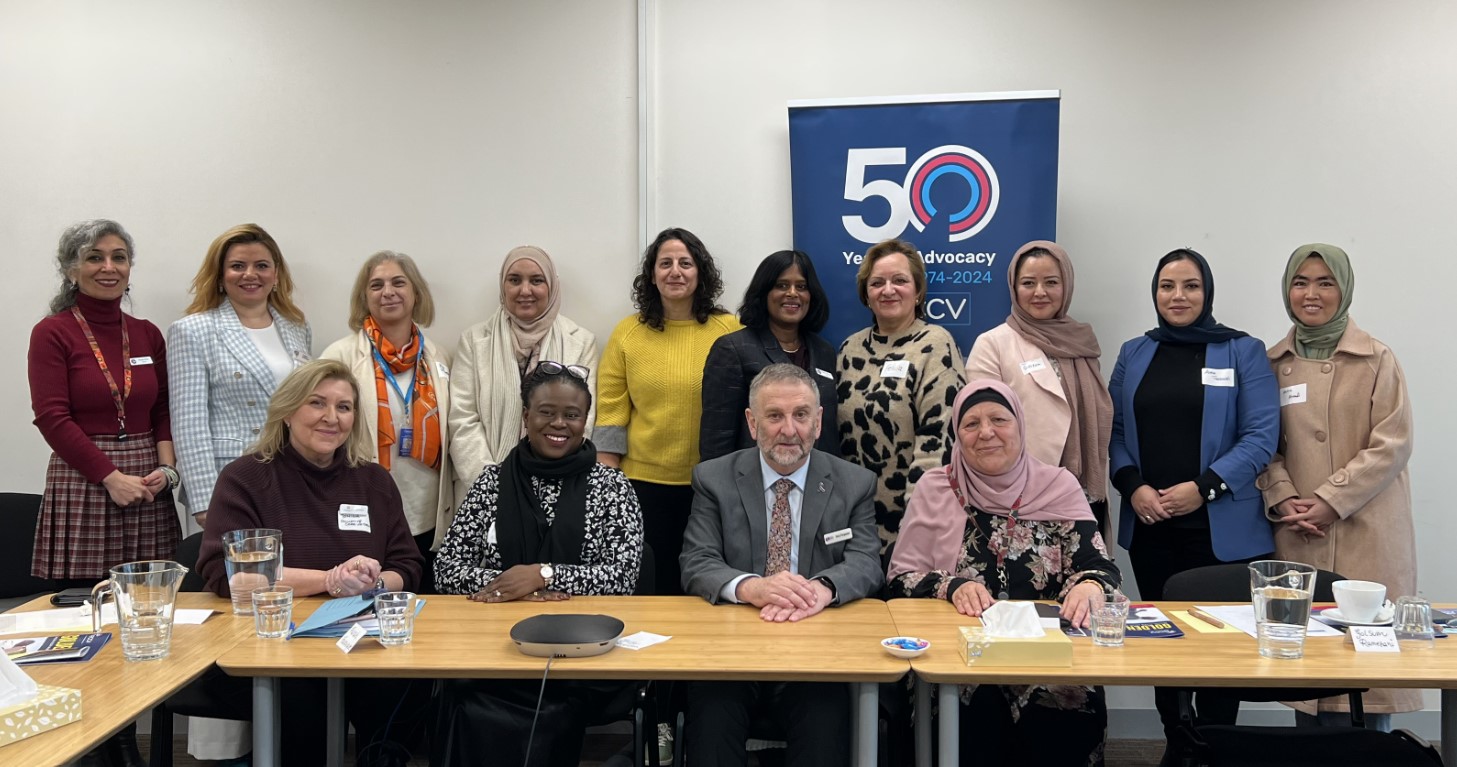
On Thursday, June 26 at the ECCV headquarters in Coburg, the launch of the brochures turned into a meeting of cultures and a collective embrace among professionals, educators and community representatives from every corner of Victoria’s multicultural mosaic.
The chosen languages (Burmese, Dari, Farsi, Somali and Italian) expand the reach of a fundamental message: elder abuse does not have just one face or method. For example, it can be a signature forced onto a document not understood by the signee.
“My children took me to a lawyer to sign some documents. They didn’t want to call an interpreter or translate the documents so I could read them. I don’t know what I signed.”
It can even be a family member shouting at the person who has given them shelter.
“My grandson recently moved in with me because he couldn’t afford to pay rent. I cook, clean, and pay the bills. If I ask him for help, he insults me and yells at me. I don’t know what to do.”
Too often, however, those experiencing these situations don’t even call it abuse. They don’t recognise it or report it.
Felicia Belagia, bicultural health educator at the Multicultural Centre for Women’s Health, expressed deep emotion at seeing the brochure also available in Italian.
“Migrants from Italy have given so much to this country, but they often don’t feel safe asking for help or talking about such delicate issues,” she says, “Translating these words into their language is an act of love, of respect. It means saying: we see you, we care about you.”
Palliative Care Victoria Community Engagement Manager Tonina Gucciardo-Masci, who promoted the project for two and a half years for ECCV, also highlighted the strength of a commitment that has lasted for fourteen years.
“It’s one of the longest-running projects in the multicultural sector,” she reveals, “It has undergone many transformations, but it’s still standing.
“That says a lot about the importance and quality of the work being done. The bicultural education model is unique and requires resources, but it delivers real results.”
Sara Bavato, communications officer at ECCV, also pointed out that the official figures (around 160,000 older people who have come forward) represent only “the tip of the iceberg”.
“Many don’t even realise they’re experiencing abuse, because they only think of physical violence,” Bovato explains, “But mistreatment takes many forms: from financial control to social isolation, even manipulation.”
Gary Ferguson of Seniors Rights Victoria likewise spoke up to emphasise the importance of recognising the many facets of abuse:
“If you ask someone if they’re experiencing abuse, and it’s not physical violence, they’ll usually say no. But if you ask them, ‘Has someone taken money from you without permission?’ The answer is often yes.”
For free and completely confidential advice, you can call Seniors Rights Victoria on 1300 368 821.
To request the support of an interpreter, the Telephone Interpreting Service is also available at 13 14 50, through which you can ask to speak with Seniors Rights Victoria.