Lauren Hunter loves small details, quiet moments in life.
The animator, filmmaker and artist’s 2022 short documentary Diamanti, which was recently featured in the Melbourne International Film Festival’s VCA Film and Television graduate showcase, explores vastly complex issues ― of familial self-sacrifice, reflected in the simultaneous challenges and joys of caring for a loved one with a disability ― and, yet, it shimmers with the levity of tenderly captured, everyday life.
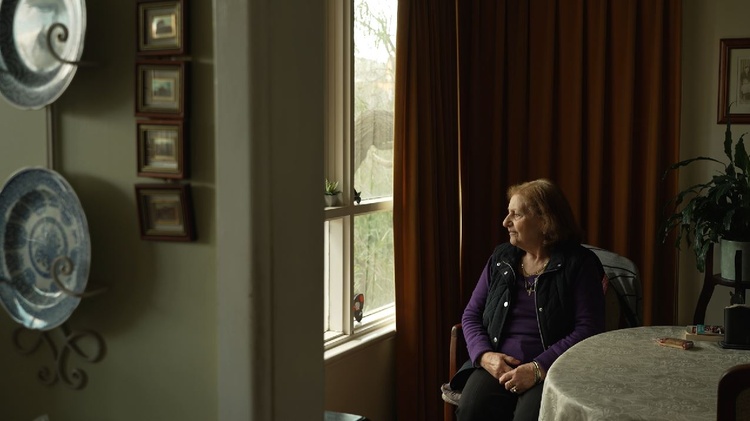
We see Maria, the matriarch of Hunter’s own family and one of the protagonists around which the film centres, deeply emotional in parts, her eyes slick as she reconciles her and her husband Salvatore’s struggle to maintain their parenting abilities through illness and old age. In other moments, however, she laughs, as when gazing at the glinting rings on her hard-worked hands, playfully telling the camera: “Arthritis bad, diamanti good.”
This is perhaps the film’s defining sentiment ― that the moments of struggle this family in transition are experiencing also occur alongside immense light and love.
“Diamanti is a portrait of my family, as Salvatore and Maria are my nonni,” Hunter tells me.
“They have dedicated their lives to caring for their disabled children Luisa and Roberto with the support of my mum Vicky (Vittoria). This is by no means an easy feat, especially as elderly individuals. I wanted to challenge any audience assumption about disability by giving weight to the challenges of care-giving, but without presenting Luisa and Roberto as a burden. I highlighted their playfulness and special interests, and celebrated their support network of family, and carers who are fiercely protective of them.”
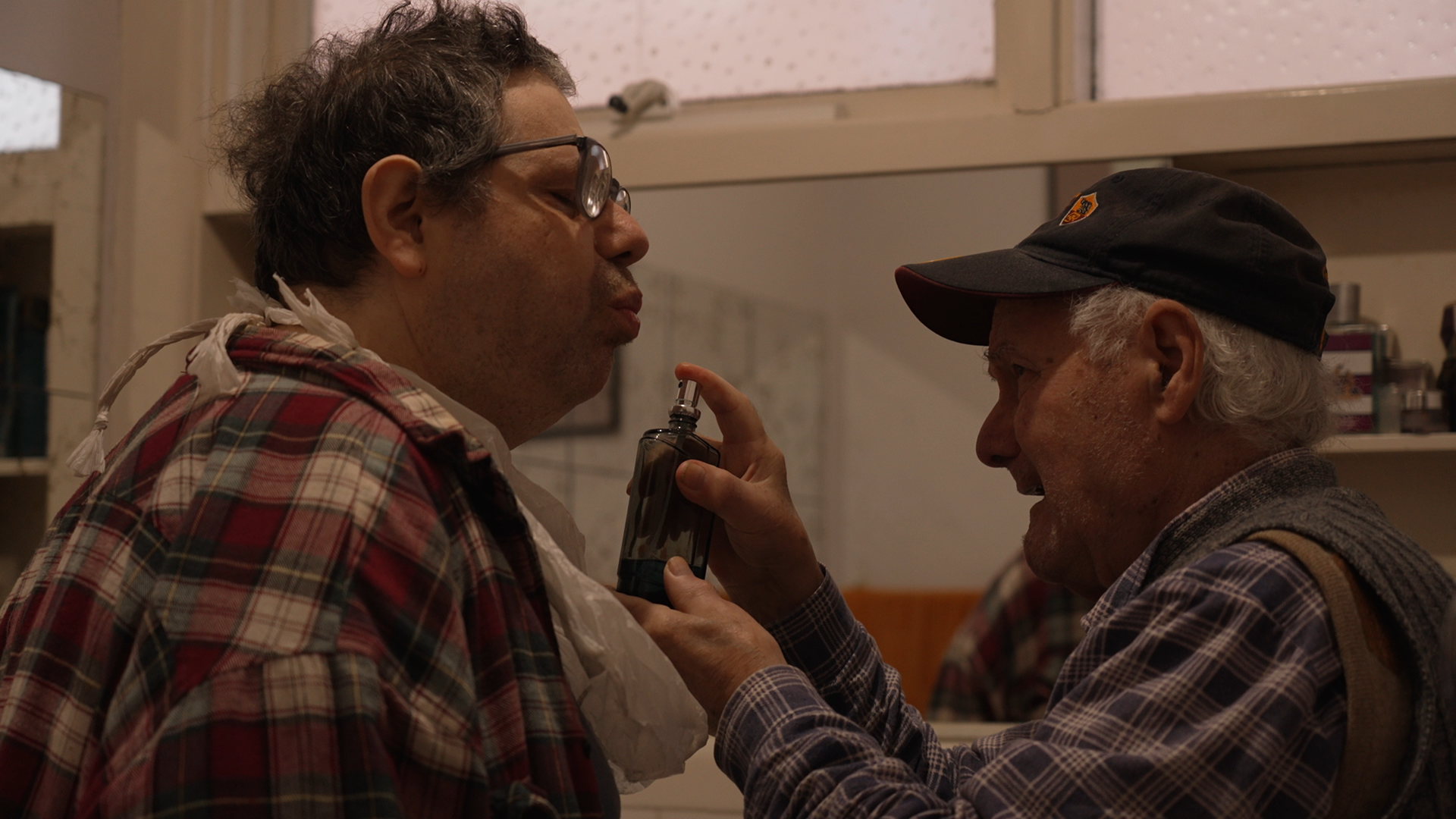
A still of Roberto and Salvatore from 'Diamanti' (2022). (Image provided)
The film’s meditative, lingering shots of cultural idiosyncrasies, which Hunter has managed to so elegantly capture, or scenes in which her grandparents speak in Vallelonghese dialect, are sure to rouse a pang in the heart of all viewers within the Italian Diaspora.
Unsurprisingly, the filmmaker confirms that a connection to culture does indeed provide a great deal of context to her art.
She relays that her Italo-Australian upbringing instilled in her “an appreciation for the holy trinity of family, food and the arts”; the multi-disciplinary artist even spent some time in the Bel Paese as a teenager studying the art of the Renaissance before going on to study a Bachelor of Fine Arts (Animation), followed by a Master of Film and Television (Documentary) at the Victorian College of the Arts ― Diamanti having served as her graduate piece for the latter.
“There are scenes like the greeting between my mum and her parents, il bacetto and drinking espresso that I provided space for in Diamanti. I think that if my film had been edited by someone else, this footage would have been overlooked, but it felt important for me to include it. I hoped Diamanti would be relatable for the Italian community.”
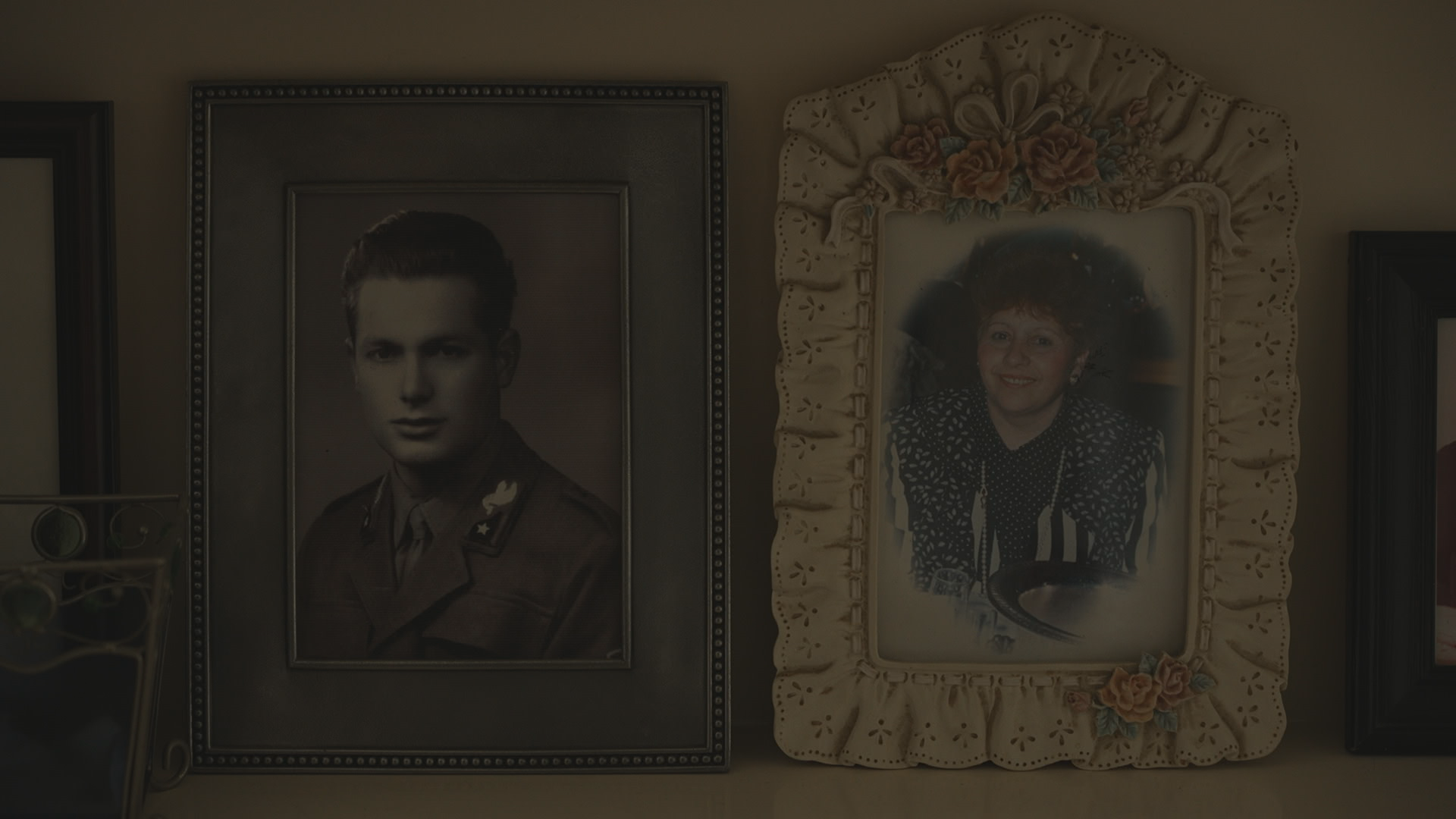
A still of Maria and Salvatore's home in 'Diamanti' (2022). (Image provided)
Fellow Italo-Australian filmmaker Madeleine Martiniello (Maddy), director of Palazzo di Cozzo (2021), also lent a hand to the short doc as supervising producer.
“Maddy really helped me with structuring my film during the edit stage, and was able to relate to the quintessential Italian content,” Hunter comments.
Diamanti is Hunter’s first observational documentary, with her previous forays into the form having been more tightly structured.
“For this film I wanted to capture a moment in time. I thought a fly-on-the-wall approach was also the least intrusive method of filmmaking, as I would observe [my family’s] daily routine, providing an immersive experience of their world. Framing included a variety of close up and mid shots to enhance the intimacy of caregiving tasks.”
She had long felt called to the non-fiction format, having grown up absorbing a great deal of SBS and ABC programming, taking inspiration from television series such as Australian Story, and You Can’t Ask That. Despite her youth, Hunter has always been drawn to challenging topics, and uses filmmaking as a means of supporting and understanding the people in her life.
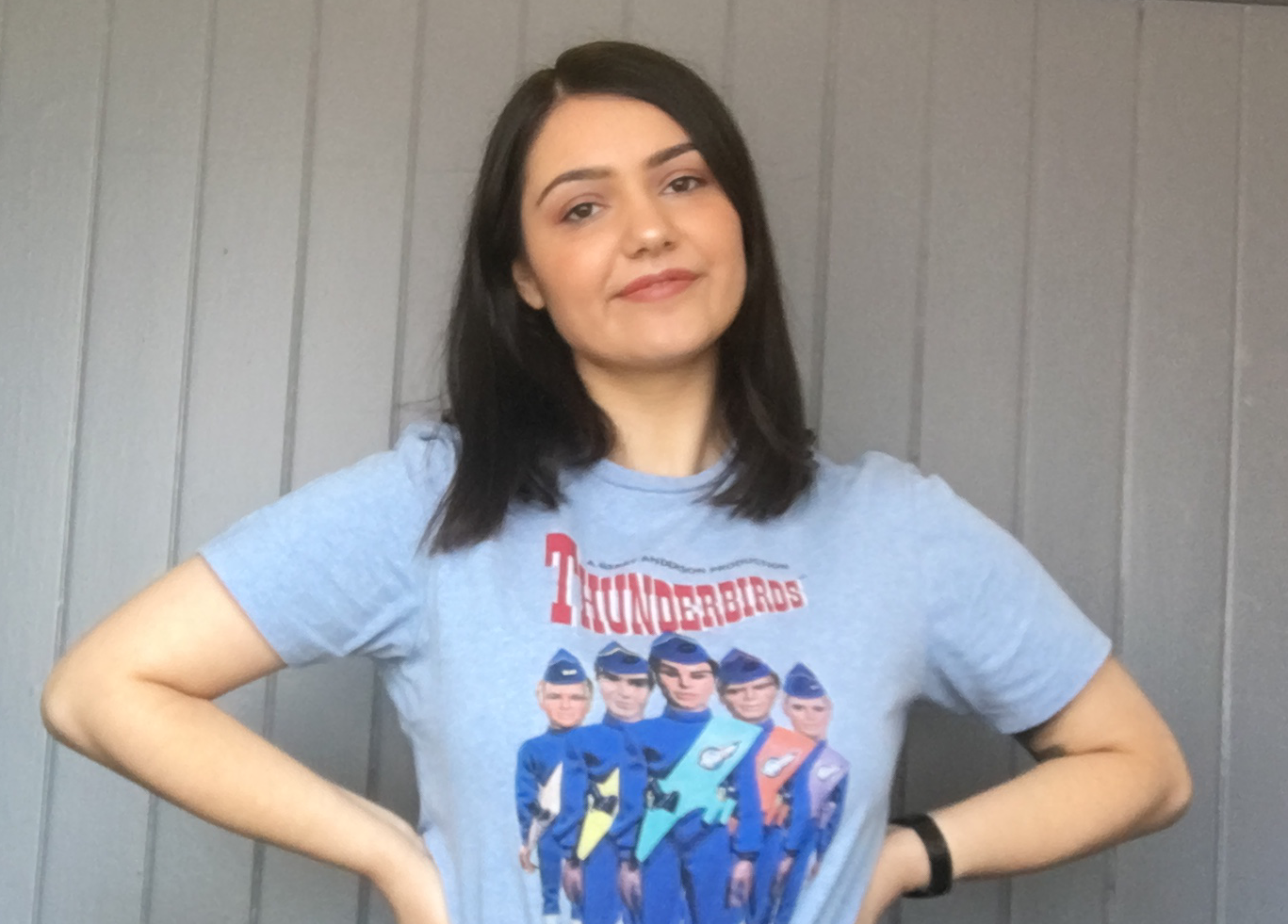
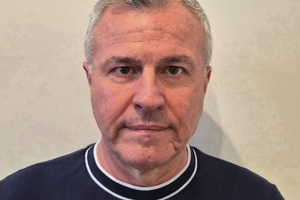
Filmmaker and artist Lauren Hunter. (Photo provided)
“I’m drawn to difficult subject matter as a creative solution to the ruminations my participants and I have on a variety of issues. I really value humour in these pieces, and use it to tonally balance these films. Together, the subjects of my films and I exchange an understanding of these issues to present relatable content to a wider audience in the hopes of making others feel less alone.”
Hunter’s deep respect for her participants is echoed in every aspect of her creative process, from shoot days all the way through to final cut. Diamanti was shot longitudinally, one day a week, over a period of five weeks, and she opted for a small on-set crew so as not to overwhelm the subjects. The young artist’s tendency to find humour in moments of hardship is also doubly evident in behind-the-scenes anecdotes:
“The sense of time passing did not come across as well as I had hoped, as outfits were repeated for multiple shoots. Something I can laugh about now,” she reveals.
With extensive training in the medium under her belt, and an eye towards soulful, palpably human stories, it is unsurprising to learn that Hunter plans to continue working within the documentary format.
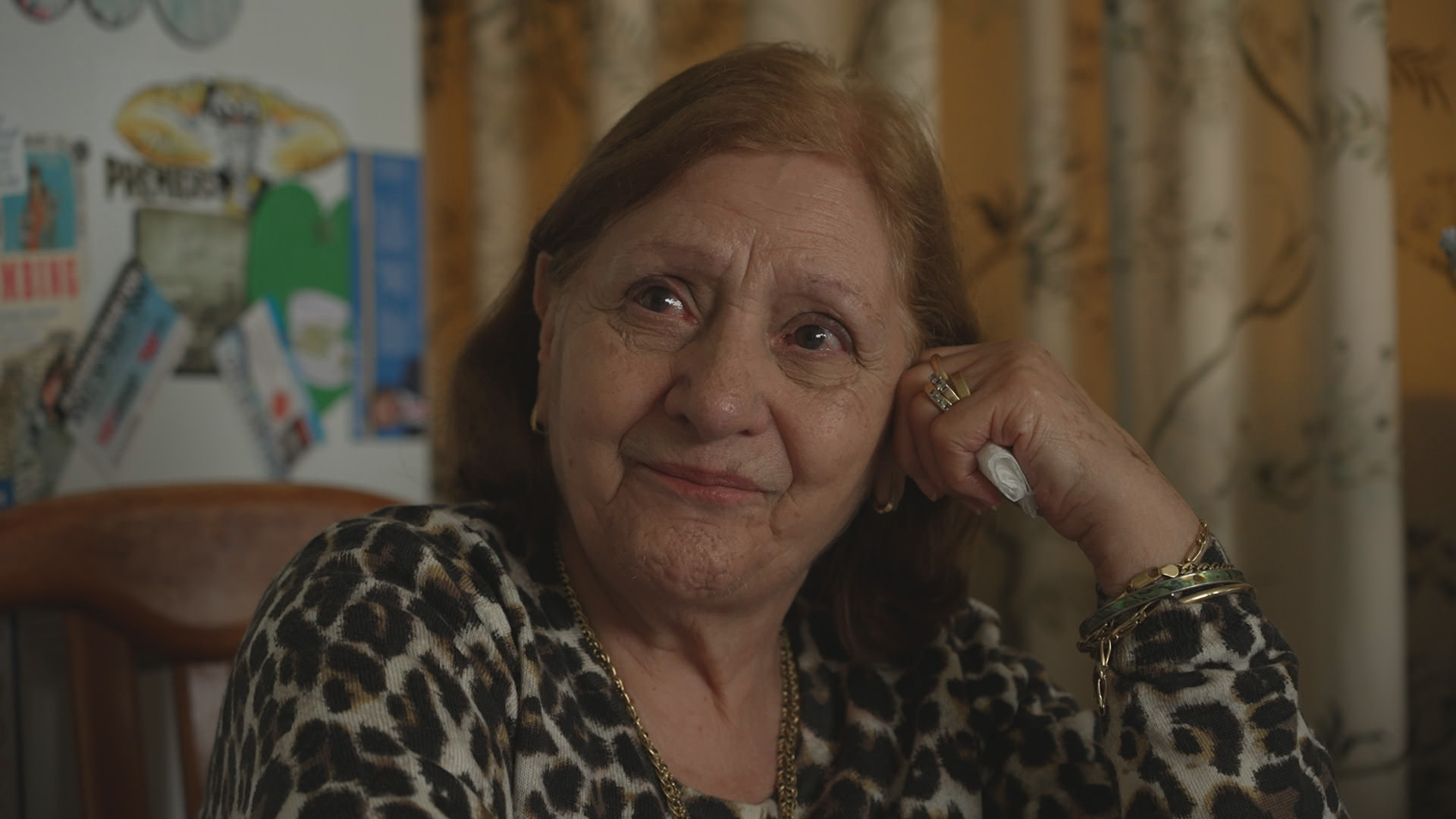
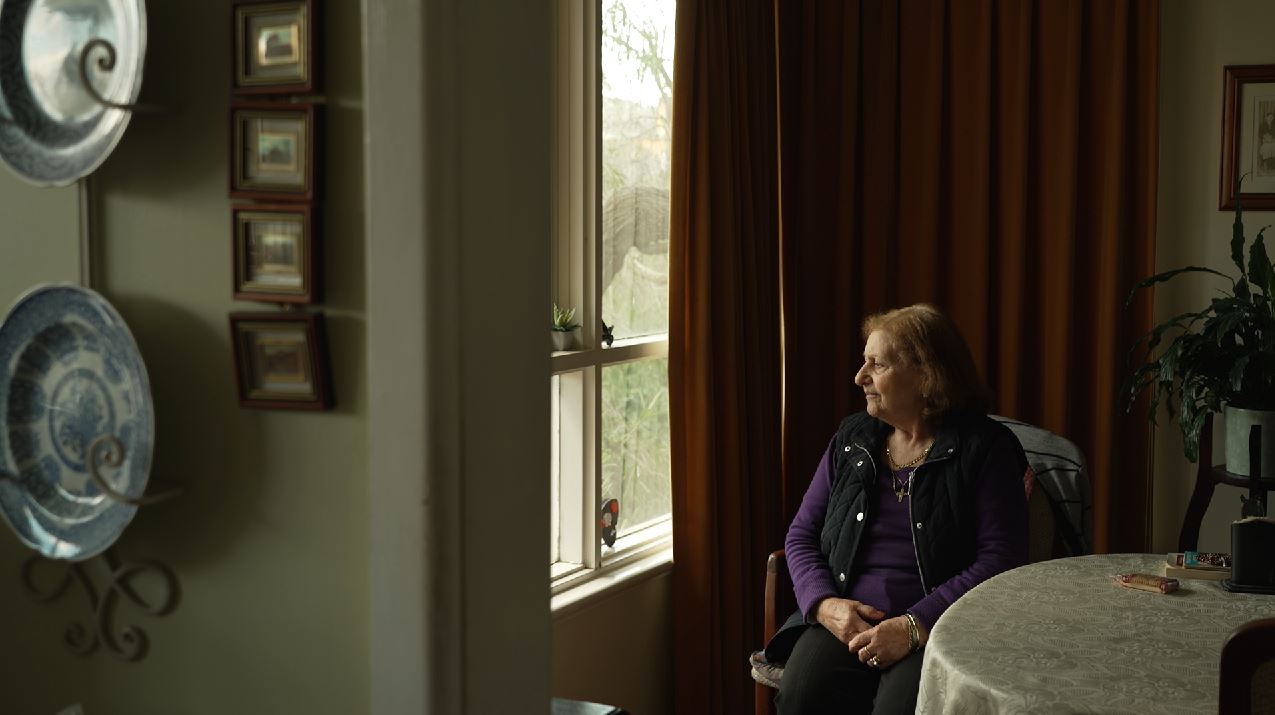
A still of Hunter's Nonna Maria in 'Diamanti' (2022). (Image provided)
“I love to create portrait documentaries, focusing on individuals, and will continue to make these types of films. To date, Diamanti is the longest film I have made, running at almost 18 minutes, but I would love to work my way up to making a feature-length documentary, or a short docu-series.”
Although Miss Hunter is effectively at the beginning of her professional creative career, when watching her work, one can’t help but assume that many more remarkable stories will be shared with the world through the filmmaker’s endlessly curious, open-hearted lens.