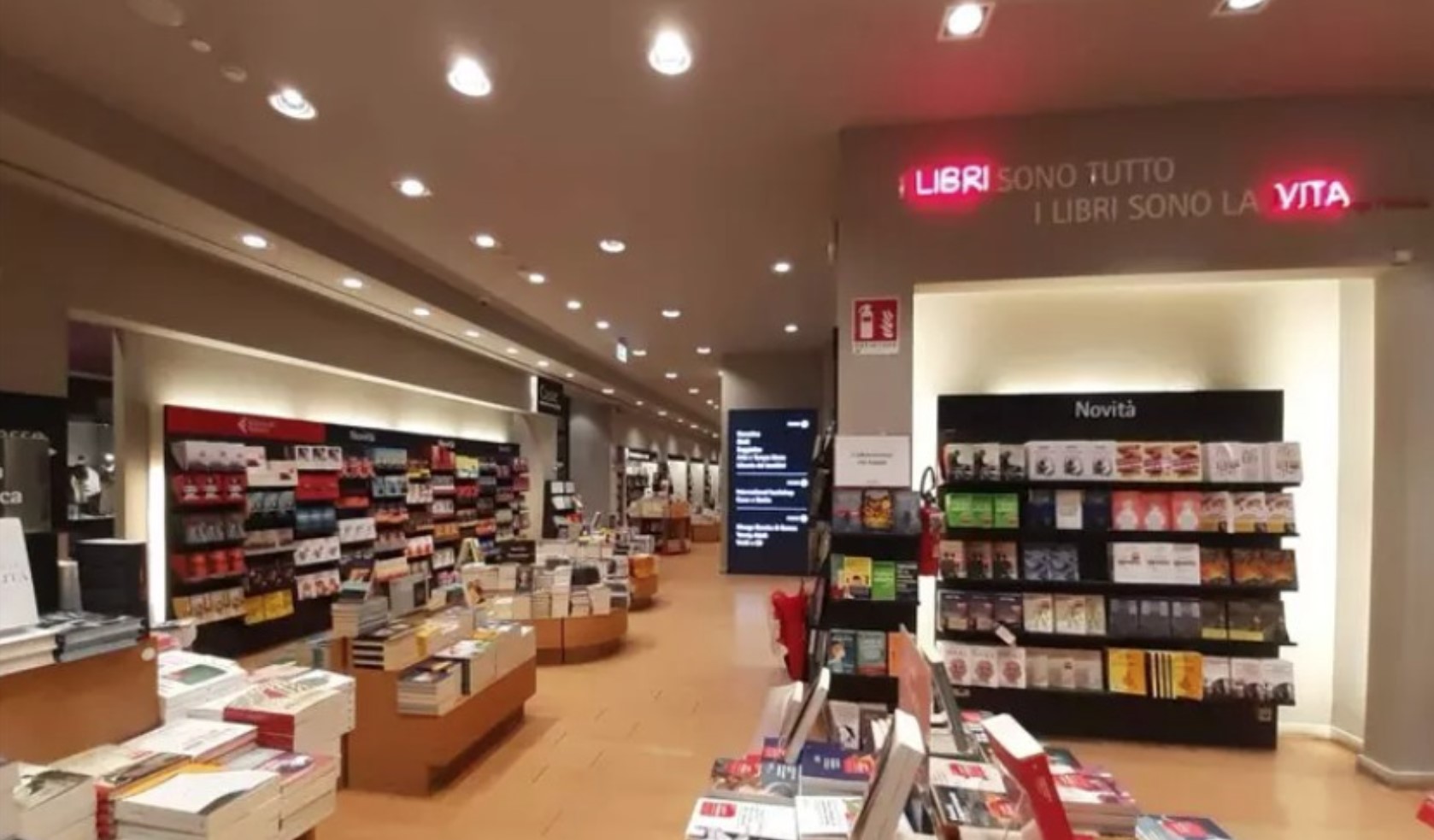
The collection, made up of more than 1500 volumes, brings together some of the finest Italian literature from its earliest origins to the present day.
It will be updated annually with new releases in fiction, non-fiction and children’s literature published in Italy by Italian authors.
The project was initiated by former Co.As.It. chief executive Marco Fedi and is fully funded by Co.As.It.
The library is expected to open to the public in the coming months, offering the community, schools, researchers and Italian literature enthusiasts an invaluable resource, accessible to all for the first time.
The public can gain access through an annual membership card, allowing both on-site consultation and borrowing.
The catalogue includes the full classical canon from the Middle Ages to today, as well as the shortlisted finalists from Italy’s most prestigious literary awards over the past decade—like the Premio Strega and the Premio Campiello—alongside a wide selection of titles in fiction, current affairs, history, politics, society, economics, comics and children’s books.
The partnership with Feltrinelli, however, goes beyond the establishment of the library. In the coming months, it will expand through new editorial collaborations focused on Italian migration to Australia and the history of the community, as well as public talks and author events featuring leading Feltrinelli writers for Melbourne’s Italian audience.
“Co.As.It.’s commitment to promoting the Italian language and culture in Melbourne is one of the fundamental pillars of our mission,” said Fedi.
“With the creation of this library we have chosen to take a bold step of offering the community a space for meeting and exchange—a place to spend meaningful time.
“We wanted to reaffirm that the physical book remains an irreplaceable tool for knowledge, reflection and freedom of thought.”
“The book,” he added, “is a travel companion, a tangible memory shaped through the sensory experience of reading—the rustle of pages, the smell of paper, the weight in your hands.
“It’s something no screen can replicate.”
Reading on paper restores time, focus and inner quiet. It’s a journey that guides both the mind and imagination at a slower, more natural rhythm, encouraging attention and strengthening memory—qualities that digital life often erodes.
Investing in the physical book today is therefore an act of cultural courage. It means believing in the value of time, dedication and the kind of thinking that grows page by page.
It’s a countercultural gesture that quietly affirms that knowledge is not consumed, but cultivated.