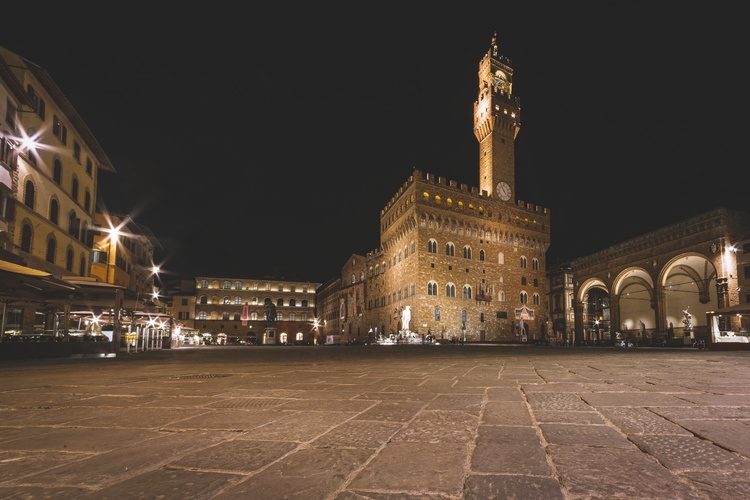
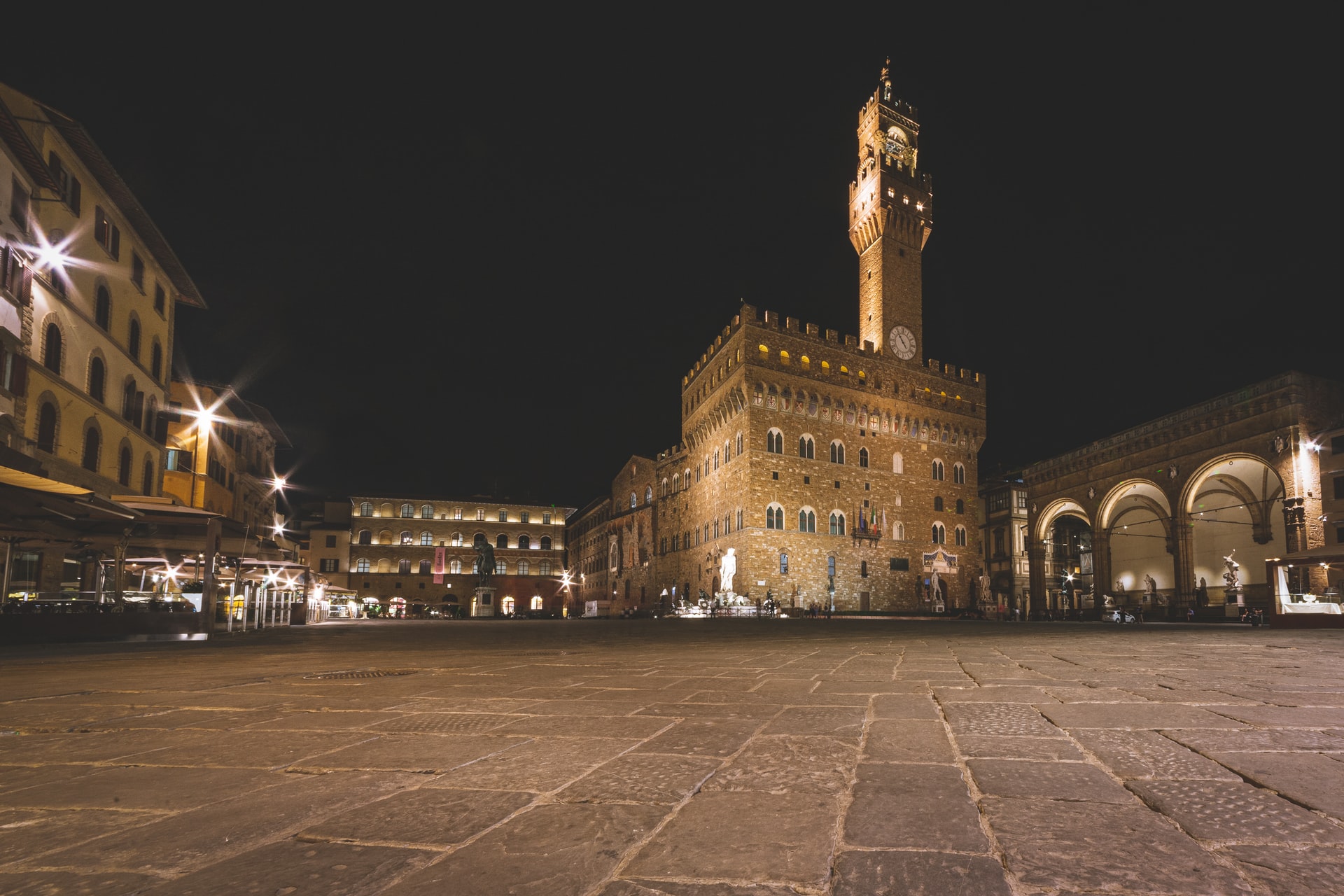
The symbolic blackout at 8:00 pm saw the lights go off on some of the country’s most noted buildings and monuments, including Palazzo Marino and Castello Sforzesco in Milan, Ponte Vecchio and Palazzo Vecchio in Florence, the Mole Antonelliana in Turin and the Fountain of Neptune in Bologna.
The move was organised by the National Association of Italian Municipalities (ANCI), which estimates that bills will increase by around €550 million for local councils, out of “a total annual electricity expenditure that fluctuates between €1.6 and €1.8 billion”.
“We’ve chosen to turn off monuments and symbolic public buildings for a few minutes, to attract the government’s attention,” ANCI president Antonio Decaro told state broadcaster RAI News 24 ahead of the event.
“It’s a problem that affects everyone, from companies, to families up to local authorities.
“An estimated increase of 30 per cent wouldn’t allow us to close our budgets and we could be forced to cut essential services, starting with public lighting which also plays a fundamental role in terms of urban safety.”
The mayor of Rome and former Italian finance minister, Roberto Gualtieri, supported the initiative and switched off the lights of the Capitoline, Rome’s town hall, during the blackout.
“The increase in bills puts families and institutions in serious difficulty... especially in this historic moment that already sees us in trouble due to the pandemic,” Gualtieri said in a statement.
“It’s a problem that must be addressed and I’m sure that the government will listen to the cry of alarm from citizens and mayors.”
Prime Minister Mario Draghi’s government has so far pledged €5.5 billion euros to help households and businesses with soaring electricity and gas bills.
Draghi on Wednesday said the government was preparing a further “far-reaching intervention in the coming days”.