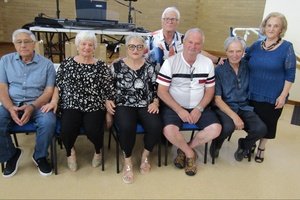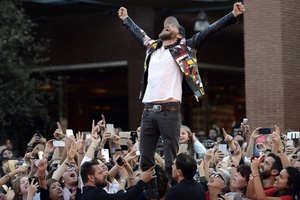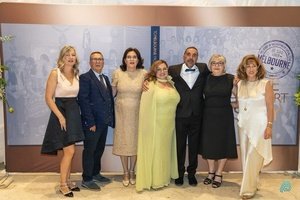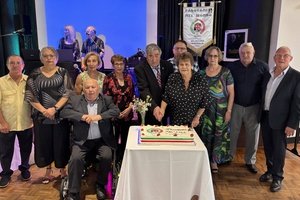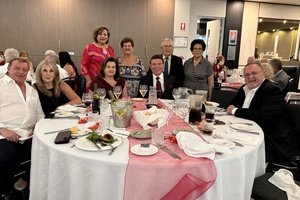
The feast drew more than 300 people to the gardens of the Italian Social Club Altona.
For many, this celebration represents a true return to their roots, as devotion to the Saint is deeply rooted in Stefanaconi, a small town in the Vibo Valentia area from which many members of the association originate.
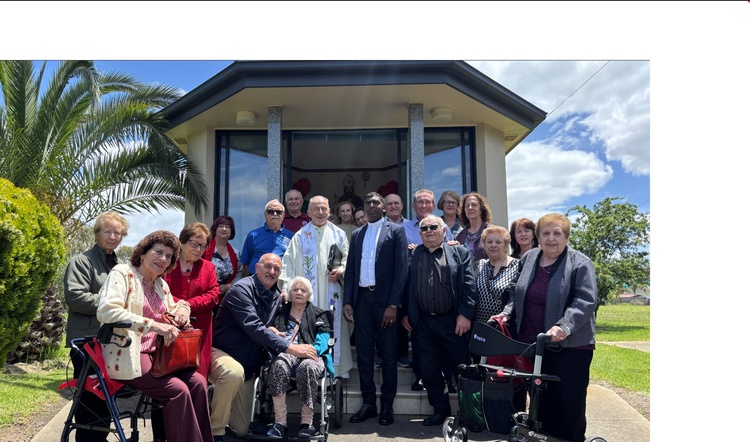
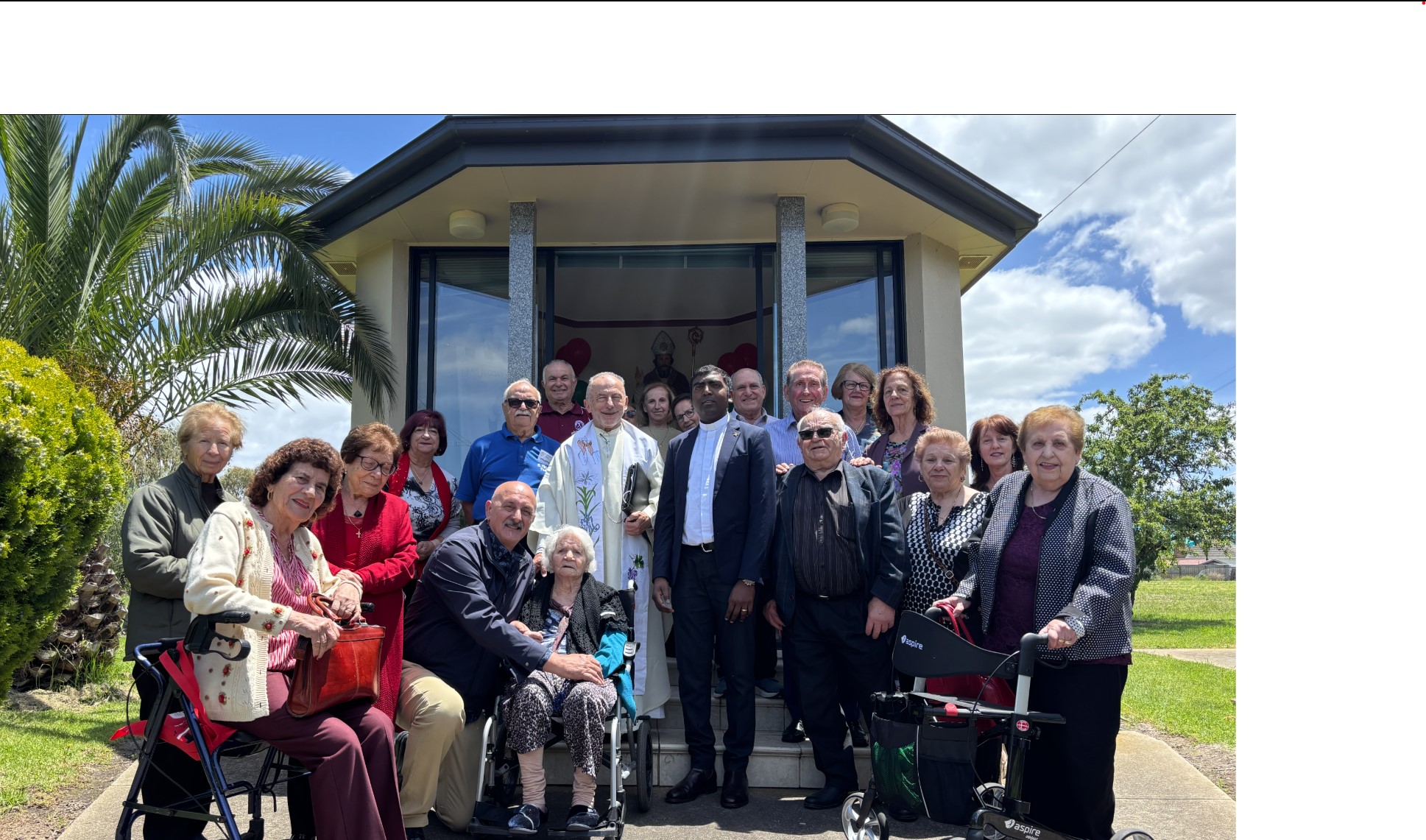
The day began with Holy Mass celebrated by Michael Cagna, followed by the traditional procession of the statue of Saint Nicholas, accompanied by the Maltese One Band and a cortege of faithful that made its way to the club’s charming chapel, where the statue was placed amid applause and visible emotion.
Favoured by a beautiful summer’s day, guests then enjoyed a delicious outdoor barbecue with freshly made pizza and a selection of traditional sweets, from homemade mostaccioli to freshly baked pastries.
The success of the event was the result of the impeccable work of the Saint Nicholas committee, a subcommittee established specifically to organise the most heartfelt celebration of the year.
“We worked non-stop for two weeks, everyone lent a hand. Yesterday we were here from early morning,” said Pina Conidi, the tireless secretary and a pillar of the association.
Antonio Tamburro, another key figure in the group, also took the opportunity to thank the subcommittee and the community. “This feast has been held here for twenty-eight years,” he said.
“We thank Saint Nicholas for giving us strength. And thanks to the committee and to all of you for being here with us to celebrate this great feast.”
Tamburro then retraced the origins of the initiative. “Many years ago, it all began at the Migrant Resource Centre, where we met for the children’s Italian school,” he recalled.
“The first teacher was Mr Lavorato, who also became the first president. We said to ourselves, ‘Why don’t we start a club?’
“It was 1976. We began by asking people for funds and, little by little, we got started.”
The club’s current premises were inaugurated in 1994.
The community maintains a strong bond with the Saint, as the organisers explained: “We come from Stefanaconi, where Saint Nicholas is the patron saint. In the 1990s, some families joined together, put their hands in their pockets and brought a statue from Naples.”
It’s a faith that has crossed distances and generations without ever breaking, as confirmed by the words of Antonio Perillo, a member of the subcommittee: “I’m not originally from those areas, but the tradition has remained. This is a celebration that brings people together and keeps our large community united.”
Alongside him, Vittorio Sgalia, vice-president of the Williamstown Italian Social Club, also expressed his loyalty to this occasion.
“I come here every year, since they started this tradition, and I will continue to attend for as long as I have my health,” he shared.
“Even though I belong to another association, I like to collaborate. Today, everything is more difficult and we must support one another.”
Sgalia also shared his long experience as a traveller, his involvement with Italian clubs across the city and his personal story, marked by profound loss—but also by the ability to “keep going, little by little”.
The afternoon delighted the youngest attendees with the arrival of Santa Claus bearing gifts, a zampognaro, face painting and, to close the day in style, a striking fireworks display applauded by the entire crowd.
The evening continued with music by the band As New, which filled the dance floor and drew familiar faces from the Italian community.
Among them was Dino, a much-loved dancer and a constant presence at Italian festivities. His story, marked by suffering and rebirth, is a hymn to resilience.
After a serious diagnosis and other major health issues, he decided to change course. “At a certain point I said to myself: enough, I’ll take life as it comes, but I’ll do it dancing,” he said.
“Because when you open yourself to life, both body and spirit change.”