Space continues to exert an extraordinary pull, a fascination that cuts across eras and civilisations. All it takes is a glance at the sky to rediscover that sense of wonder and disorientation we have known since childhood: the distant sparkle of the stars, the depth of the celestial vault, the compelling and unsettling awareness of being tiny fragments within a cosmos in constant motion.
And yet it’s precisely in this realisation that we find something essential about ourselves: we are stardust, part of the same chemical fabric as what shines above us. Space questions us, challenges us and restores perspective.
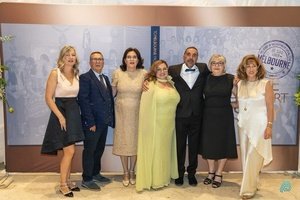
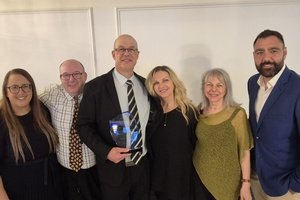
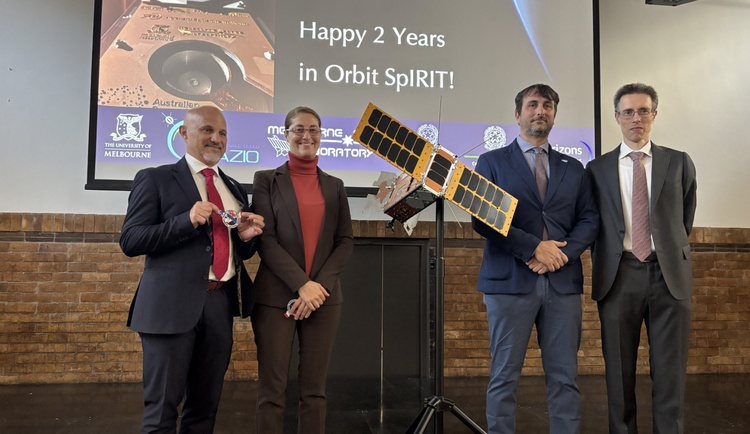
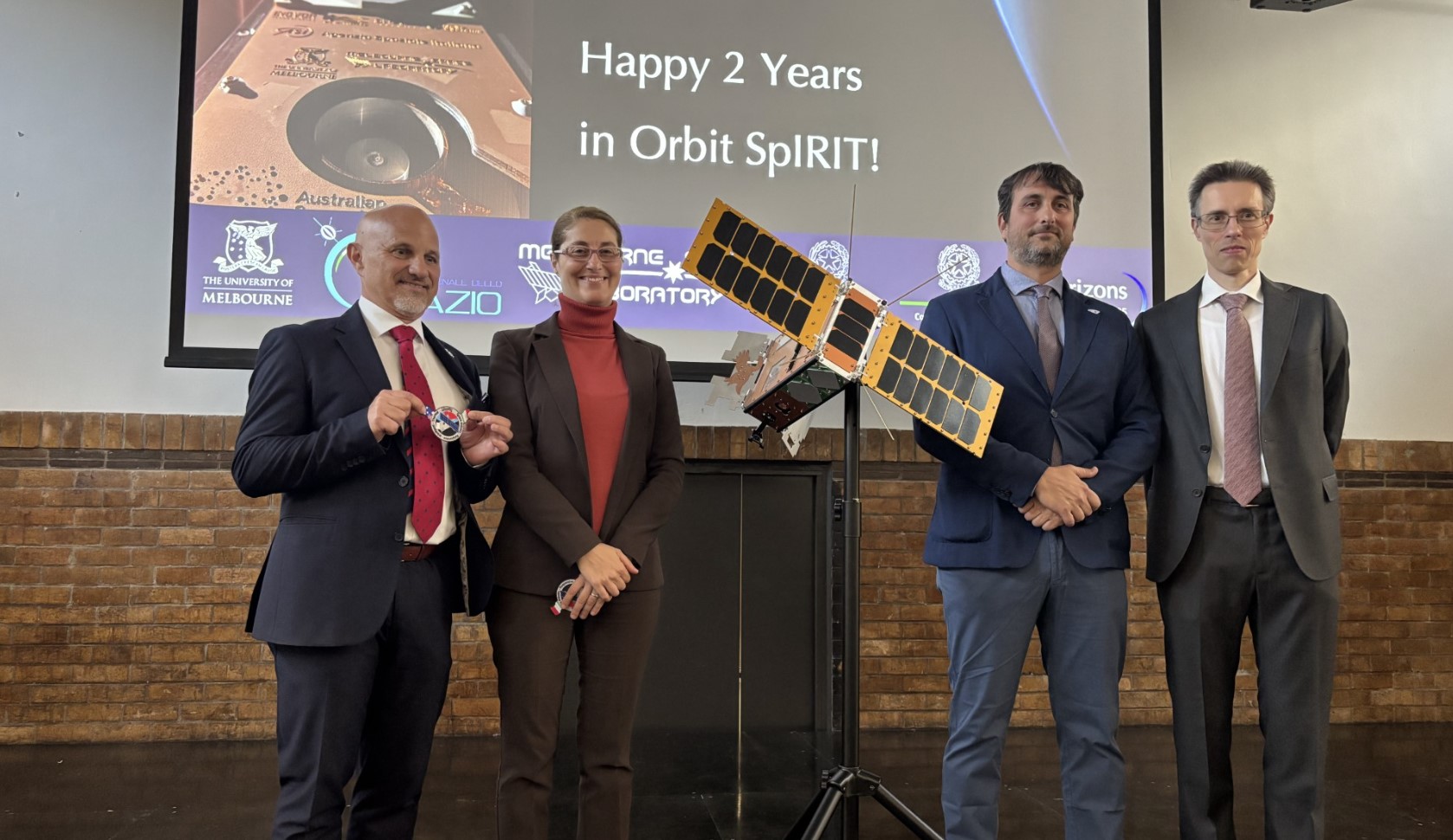
It was in this spirit that, on Monday, December 1, the Italian Consulate in Melbourne, in collaboration with the University of Melbourne, celebrated Italian Space Day.
This year, the occasion coincided with the second anniversary of the launch of SpIRIT, the first satellite built in Australia to carry, as its primary payload, a technical instrument developed by a foreign space agency—a milestone symbolising scientific cooperation between Italy and Australia.
Hosted at the university, the event provided an opportunity to reflect on the growing role of space activities in everyday life and on the scientific and cultural mission of National Space Day: bringing the public closer to a world often perceived as distant.
This was also achieved through interactive experiences, such as selecting a point on Earth and viewing real images of it—almost magically and in near real time—on a large screen thanks to satellite data.
Professor Aurlie Chapman, Deputy Director of the Melbourne Space Laboratory, welcomed guests and spoke enthusiastically about the mission: “SpIRIT has been one of the most collaborative missions,” she said.
“Tonight is a celebration of the success of the program, the people behind it and the future projects it is making possible.”
The Consul General for Victoria and Tasmania, Chiara Mauri, also highlighted the symbolic value of the occasion. “We are celebrating not only an extraordinary achievement for Italian space science, but also a significant chapter in the relationship between Italy and Australia,” she remarked.
“I am confident that the path we have begun together will lead to new and unexpected destinations.”
A further key element came via a video message from Enrico Palermo, President of the Italian Space Agency (ASI): “SpIRIT was the first satellite commissioned by the Italian agency, and we could not be prouder.”
The Director of the Space Laboratory, Michele Trenti, then outlined the key stages of the mission, acknowledging the contribution of partners and sponsors, from ASI to the University of Melbourne itself, the scientific and operational engine of the project.
Among those present, Matthew Thomas also drew attention, surrounded by students eager to understand how a satellite little larger than “a shoebox” is controlled.
“I’m the operator of the HERMES instrument onboard SpIRIT,” the researcher explained. “I work with Professor Trenti and recently completed my PhD.
“I’m now fully involved in the operational side of the mission, with the goal of detecting gamma-ray bursts.”
Thomas collaborates with leading Italian engineers and astrophysicists to implement this sophisticated instrument and coordinate requests from Italy.
Completing the program was a presentation by Paolo D’Avanzo, Senior Researcher at the Brera Astronomical Observatory and member of the National Institute for Astrophysics, who captivated the audience with a clear and engaging explanation of gamma-ray bursts, making these extremely powerful cosmic explosions accessible even to non-specialists.
Arriving directly from Chile to represent the Italian scientific community, D’Avanzo concluded the evening with a personal reflection: “Knowledge is a journey that is always uphill and, hopefully, improves step by step,” he shared.
“But passion is the true engine that allows us to move forward and make new discoveries.
“My advice to those who want to follow this path is let yourselves to be amazed by the universe. In the end, it really is a wonderful job.”