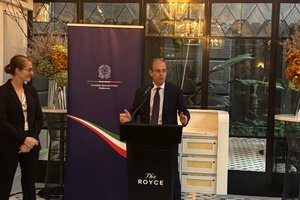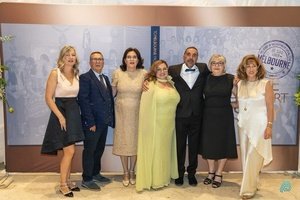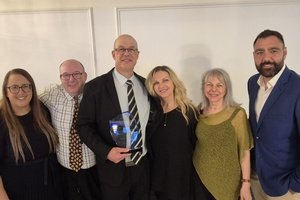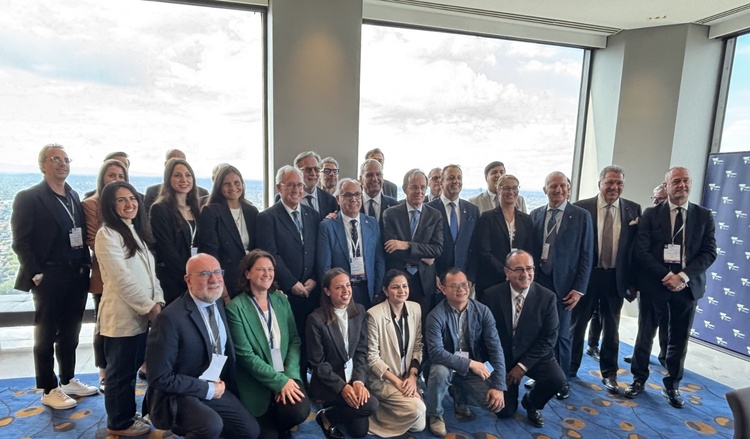
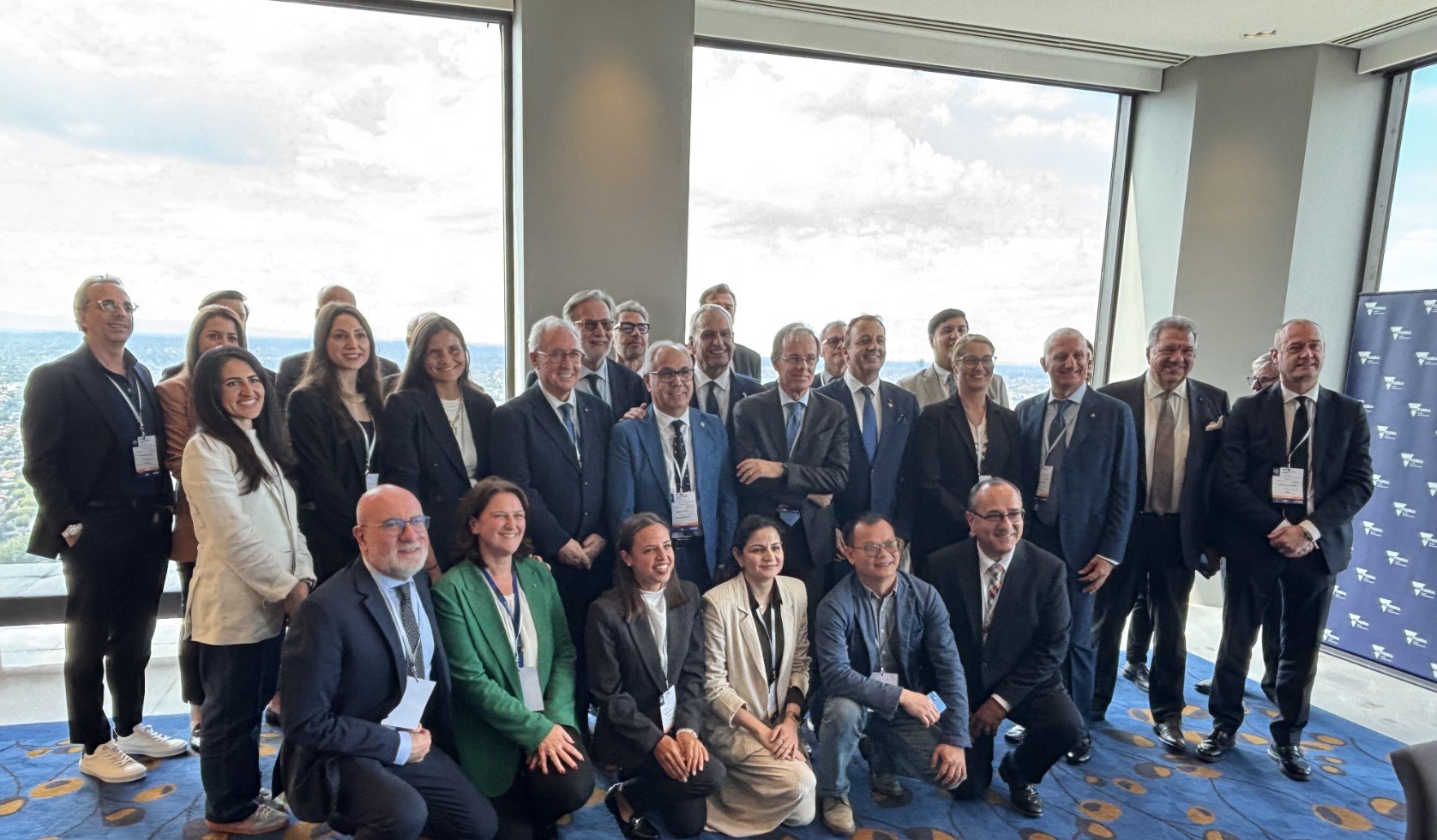
The meeting was organised by the Italian Chamber of Commerce in Melbourne, held on Friday, February 27 and Saturday, February 28 in the heart of the city.
Also discussed were the digital transition and artificial intelligence in an increasingly complex and competitive global landscape.
The event brought together a delegation from the network of Italian Chambers of Commerce operating in the region, alongside senior representatives from Assocamerestero and key institutional and economic stakeholders.
Two intensive days of discussions and analysis were designed to chart a shared course centred on innovation, cooperation and the global promotion of Italian expertise.
The two-day program opened with a meeting at the Investment Centre, where institutional speakers highlighted opportunities for engagement and collaboration.
“This program is designed to strengthen ties, exchange ideas and continue building meaningful relationships within our global network,” explained Adrian LoGiudice, President of the Italian Chamber of Commerce in Melbourne, before elaborating on the impacts of AI.
“[Artificial intelligence] is changing the way companies compete and redefining our economic growth,” he said.
This message was reinforced by Danni Jarrett, CEO of Invest Victoria and Global Victoria, who emphasised the state’s strategic position in the international arena.
“Victoria is one of Australia’s most open and globally connected economies, where trade and innovation are central to growth,” she said.
“With 23 offices worldwide, 13 of which are in the Asia-Pacific, we are ready to further strengthen our international partnerships.”
Italy’s Ambassador to Australia, Nicola Lener, also addressed the gathering, underscoring the importance and effectiveness of the Chambers of Commerce in promoting international relations.
“Working together, with all the actors of the system, makes us truly strong,” he said.
“I believe the case of Melbourne and Victoria clearly demonstrates the strength we can express in a market when cooperation is solid and coordinated.”
A significant contribution came from Francesco Giacobbe, Senator of the Italian Republic, who reflected on the role of Italian communities abroad.
Giacobbe highlighted the growing influence of second and third generations in promoting Made in Italy.
“They are the protagonists of Italy’s success around the world,” he said. “It is thanks to the first and second generations and to new migrants—70 million people—that Made in Italy has been able to establish itself globally.”
This was followed by remarks from MP Nicola Carè, who stressed the indispensable role of Italians living overseas.
“Thanks to those who, wherever they live, continue to hold the Italian flag high—not only with pride, but with hearts that still beat with love for their homeland, even after many years abroad,” said Carè.
Echoing these sentiments, Mario Pozza, President of Assocamerestero, said, “Being here feels like being at home, because today I feel that bond between our country and those who went abroad to seek opportunity. Despite global uncertainty, trust remains the essential engine of growth.”
He concluded by noting that “strong international networks are fundamental to supporting businesses and building long-term development strategies”.