The project recently evolved with the publication of a series of informational booklets in 11 different languages, including Italian, titled Being Prepared as a Family Decision-Maker. Step by step, the booklets guide those who are facing difficult decisions alongside a loved one taking the final steps of their life.
The structure of the booklets is designed to accompany families through four fundamental phases: “being prepared” to understand the wishes of their loved one and emotionally face what is to come; “working together” to establish genuine dialogue with medical staff and ensure quality care, “making decisions” to clarify roles and respect the patient’s wishes and “end-of-life care”, to understand the nature of palliative care and prepare for the pain of parting.
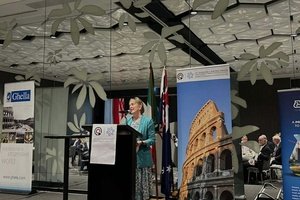
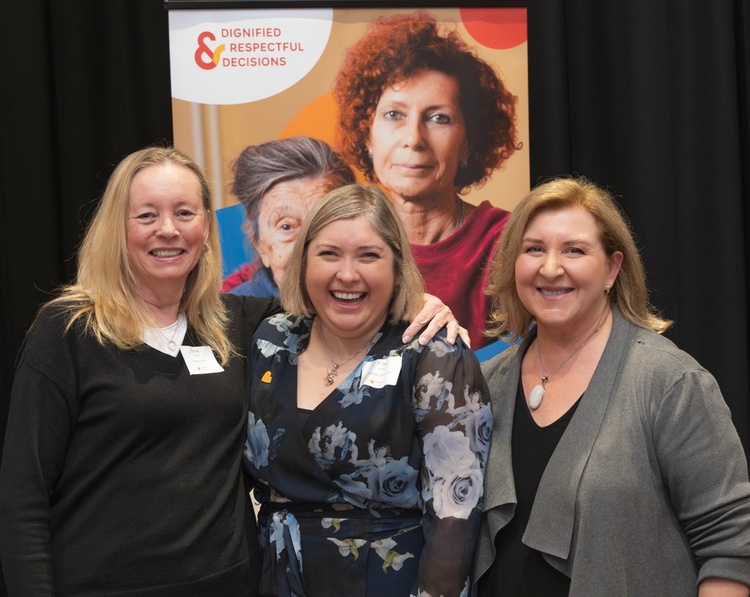
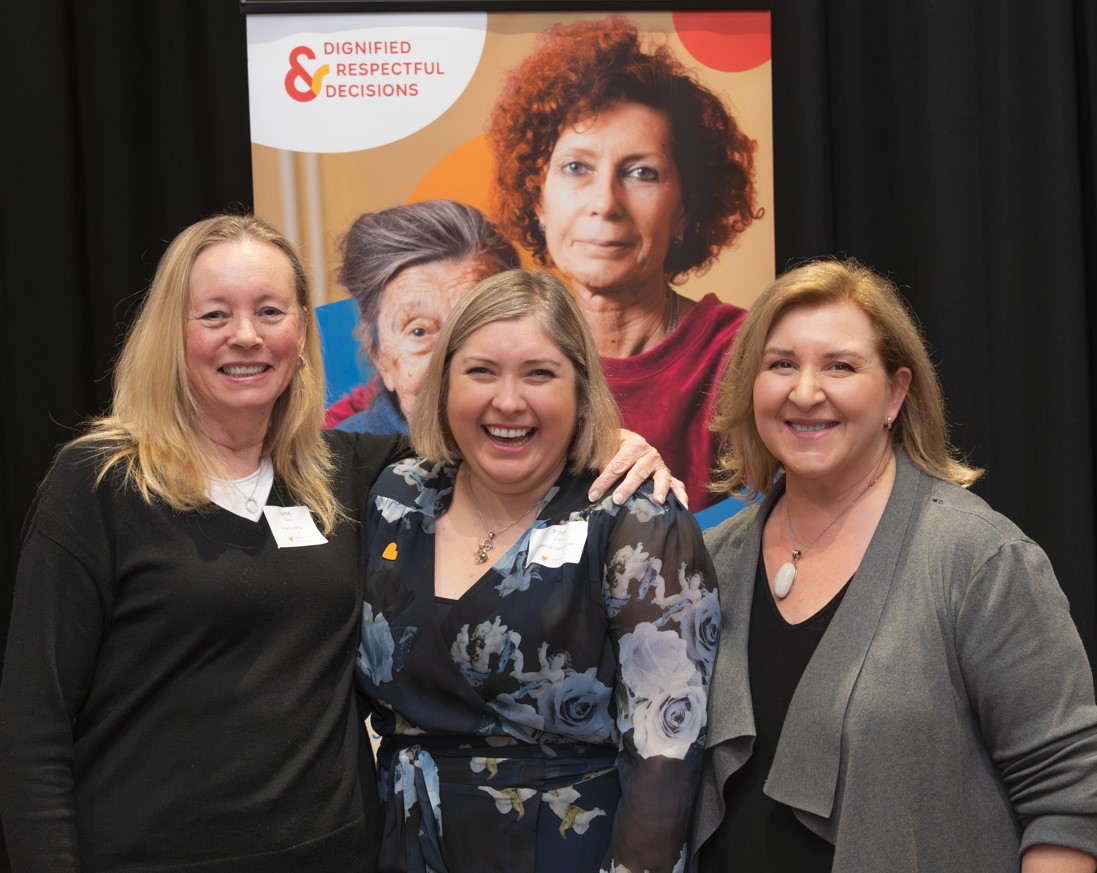
Recently, the informational booklets were publicly presented at the Darebin Arts Centre in the presence of hundreds of guests and representatives from nine different language communities.
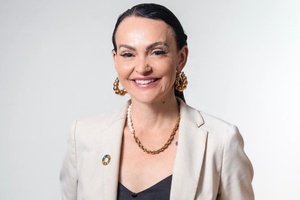
Guiding and passionately curating the project was Tonina Gucciardo-Masci, Community Engagement Manager at Palliative Care Victoria, who has always been committed to engaging with the diverse multicultural groups in the state. Her role is based on presence, deep knowledge of the communities, the patience to rebuild connections and create trust, and to develop culturally appropriate approaches.
“I’m working with each community to understand how best to promote the project,” she explained, “It’s a slow process; we have to re-establish contact with all the organisations and find the most culturally appropriate way for each of them.”
With clarity and sensitivity, Gucciardo-Masci addresses the many misunderstandings that still surround palliative care, especially in culturally sensitive contexts. “There’s certainly the idea that palliative care is only for the very last moments of life, but in reality, we see it as a way to ensure quality of life at the end of life.”
In fact, it’s a path that can begin at the time of diagnosis. “Palliative care takes a more holistic approach,” said Gucciardo-Masci, “It doesn’t focus only on the clinical aspect, but also on the physical, emotional and spiritual sides. The goal is to ensure people have the best possible goodbye.”
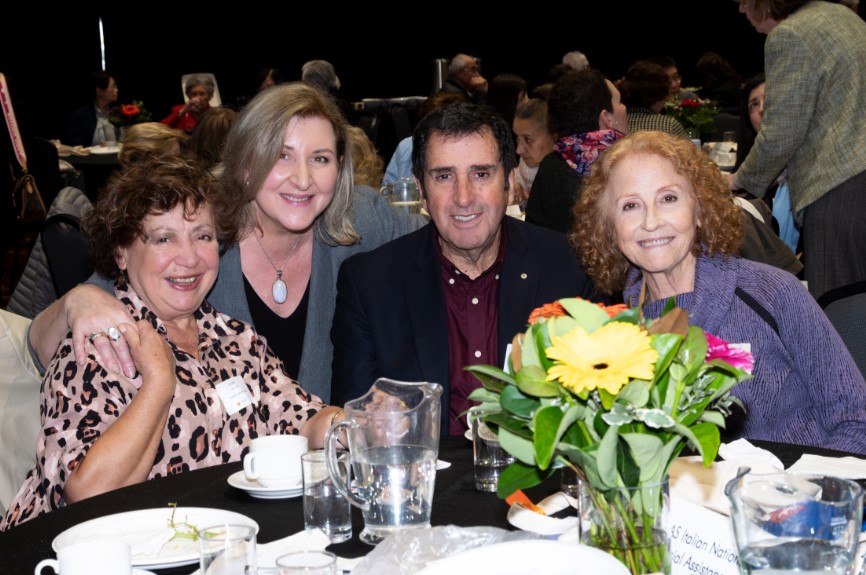
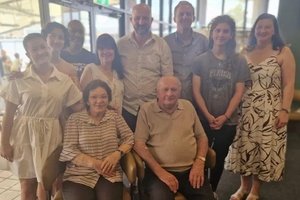
Tonina Gucciardo-Masci at the Darebin Arts Centre with Italian community members (from left to right) Lilian Antonelli, Sauro Antonelli and Mariella Di Fabio
In many multicultural communities, including the Italian one, the mistaken but widespread belief still exists that palliative care accelerates the process toward death. “Many don’t understand the clinical side of it,” Gucciardo-Masci added.
“The project was born precisely to help people face those difficult moments, especially when their loved ones are no longer able to make decisions. It also encourages early planning, so that patients’ wishes can be respected during the palliative phase of life.”
Gucciardo-Masci’s commitment is deeply rooted in personal experience, shaped by loss, grief and a deep understanding of the process. “I think that after going through certain situations, you’re better able to talk about them,” she said. “My life experiences have given me a certain capacity for empathy; I know how difficult it can be, but I also believe it’s a fundamental part of life.”

Born in Melbourne to Giuseppe and Carmela, originally from Calatafimi in the province of Trapani, Sicily, Gucciardo-Masci grew up with a true understanding of what it means to have a multicultural background in Australia.
Her parents lived a seven-year epistolary love story, as her mother was still too young to enter a relationship. Meanwhile, her father decided to leave Sicily to join an uncle in Melbourne and try to build a more secure future. After dozens of letters and a love that remained unchanged, it was her mother who boarded a ship alone at the age of 22 to reach the man she loved and marry him in Australia in 1962. “They were soulmates. They would have ended up together no matter what, anywhere in the world,” declared Gucciardo-Masci.
Raised in Melbourne’s eastern suburbs, between her father’s small blacksmith shop and her mother’s loving care, Gucciardo-Masci earned a degree in Sociology and Italian, then dedicated her career to multicultural work, research, training and the development of culturally inclusive services.
“Even back in the 1980s, when I graduated, I had already started working with the needs of Italian migrants in Victoria,” she recalled. “It was the path I felt was mine, the one I needed to pursue.”
And today, through her work in palliative care, that original motivation remains intact: to give voice, meaning and dignity to the most difficult choices.
“I truly believe this is an important conversation to have within the community,” she continued. “Talking about death and the end of life means being prepared and, ultimately, trying to live the best possible goodbye. It’s what we want for ourselves; to have a say, to have autonomy.”