The exhibition offers visitors a rare, close look at one of Europe’s most iconic archaeological sites, right in the heart of what is often considered Australia’s most “European” city.
The free exhibition, promoted by the EU Delegation to Australia, is part of the Union’s foreign policy initiatives and highlights the growing importance of cultural diplomacy between the EU and its international partners.
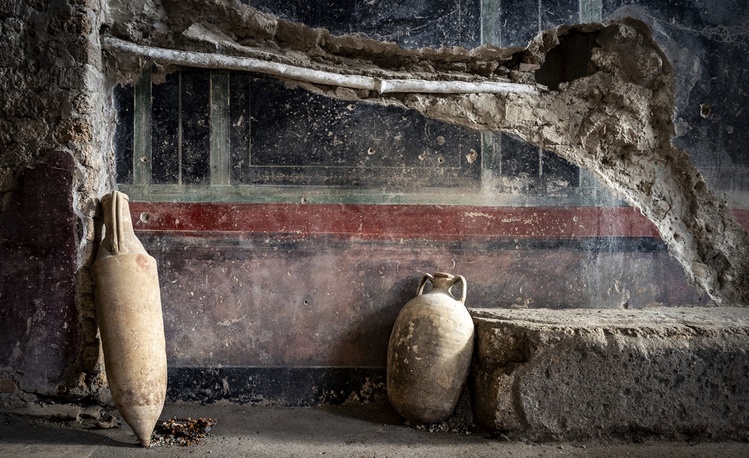
It explores how history has shaped Europe’s cultural identity, revealing the everyday life of Pompeii’s inhabitants—from detailed mosaics and personal graffiti to everyday objects and monumental public spaces.
The parallels with modern life are striking, making Melbourne, with its vibrant multicultural community and strong European heritage, an ideal setting for this dialogue between Europe’s past and a shared future.
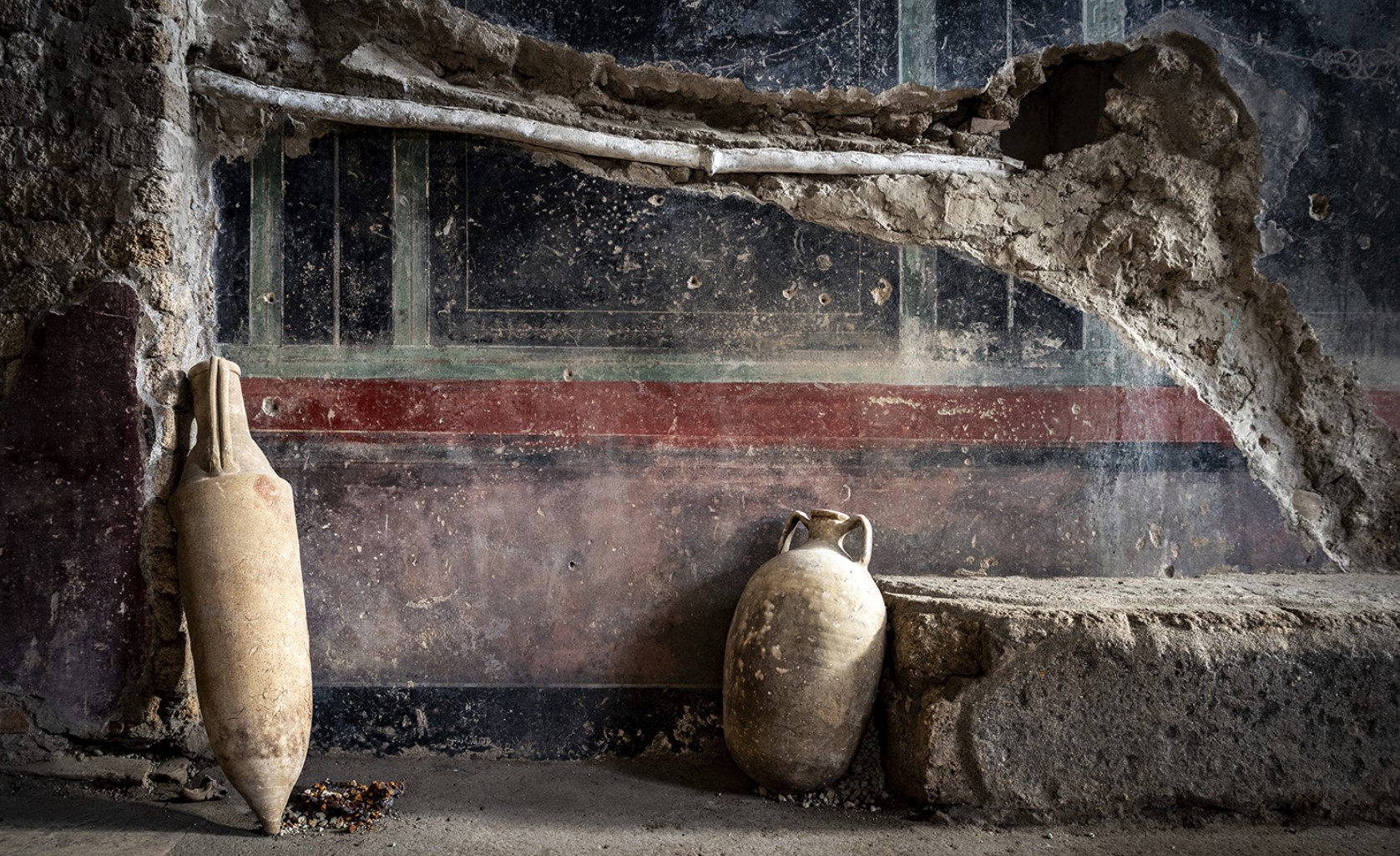
Italian photographer Luigi Spina created the 38 large-format images during the pandemic, when Pompeii was closed to visitors. His photographs capture homes, streets and daily spaces in a moment of stillness, bringing today’s viewers closer to lives lived two thousand years ago.
“As the EU–Australia partnership grows stronger, we take the time to celebrate culture, history, heritage and our shared humanity,” said EU Ambassador to Australia, Gabriele Visentin.
“Melbourne is often seen as the most European city in Australia, and its energy reflects these values—freedoms to celebrate and protect through dialogue and cooperation.”
“We are honoured to host this significant European Union exhibition,” added Marco Fedi, CEO of Co.As.It..
“For Melbourne’s Italian community, Pompeii is part of our cultural DNA, but the exhibition speaks to every visitor, encouraging reflection on what connects us across time and continents.”
The exhibition also highlights the EU’s commitment to safeguarding cultural heritage, including through the Great Pompeii Project, supported by a 78-million-euro (AUD 130 million) investment.
The project has restored 70 buildings, recovered 40 hectares of archaeological ruins and introduced improved management practices for historical sites.
Cultural and artistic exchange between the EU and its international partners is seen as crucial to promoting mutual respect, understanding and global stability.