
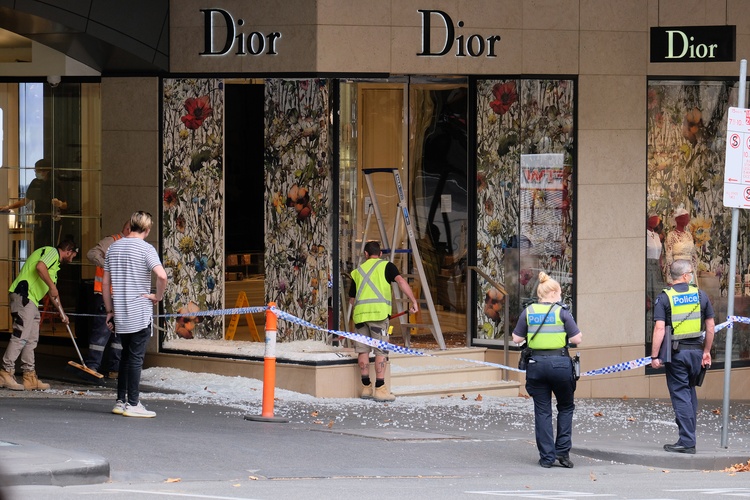
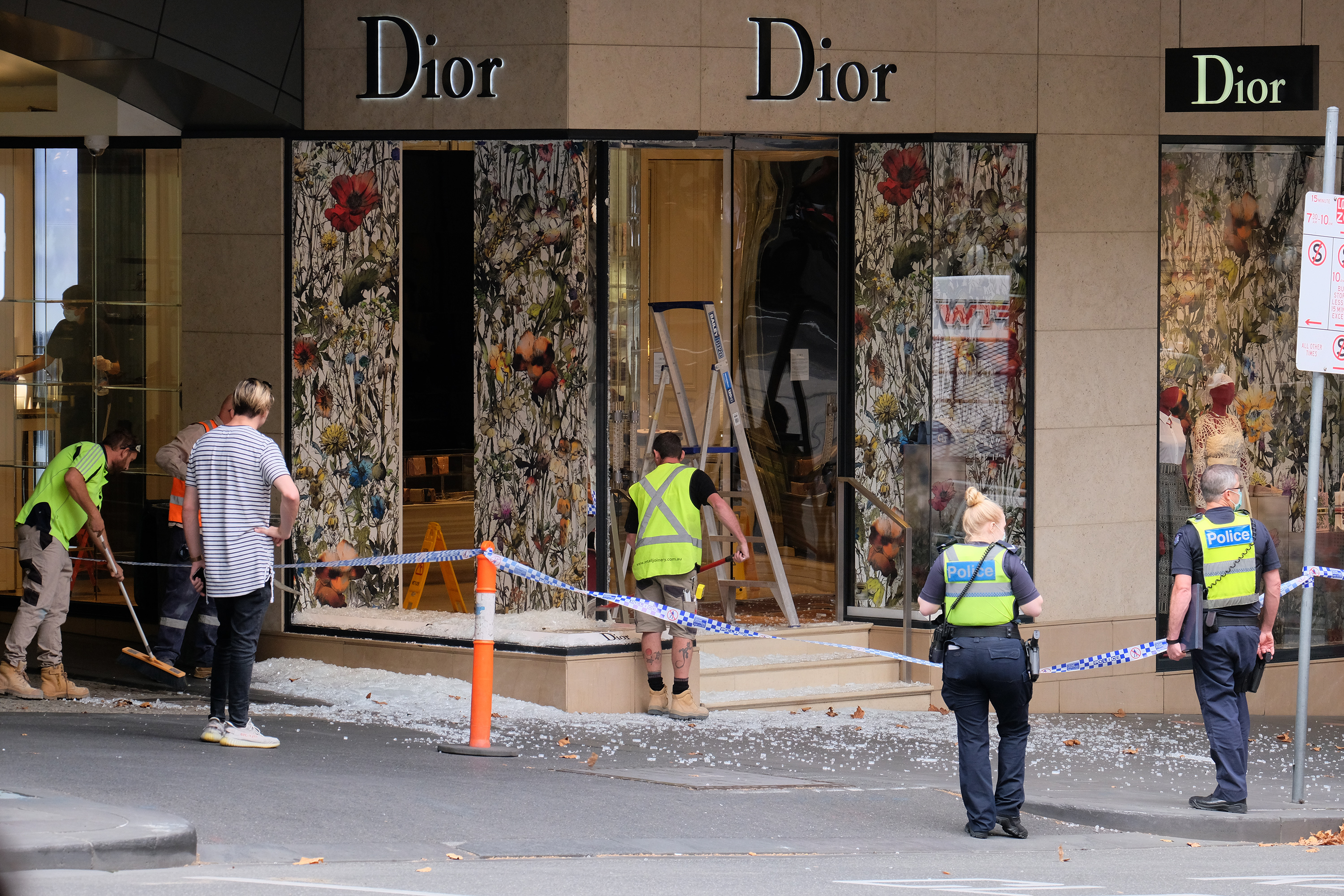
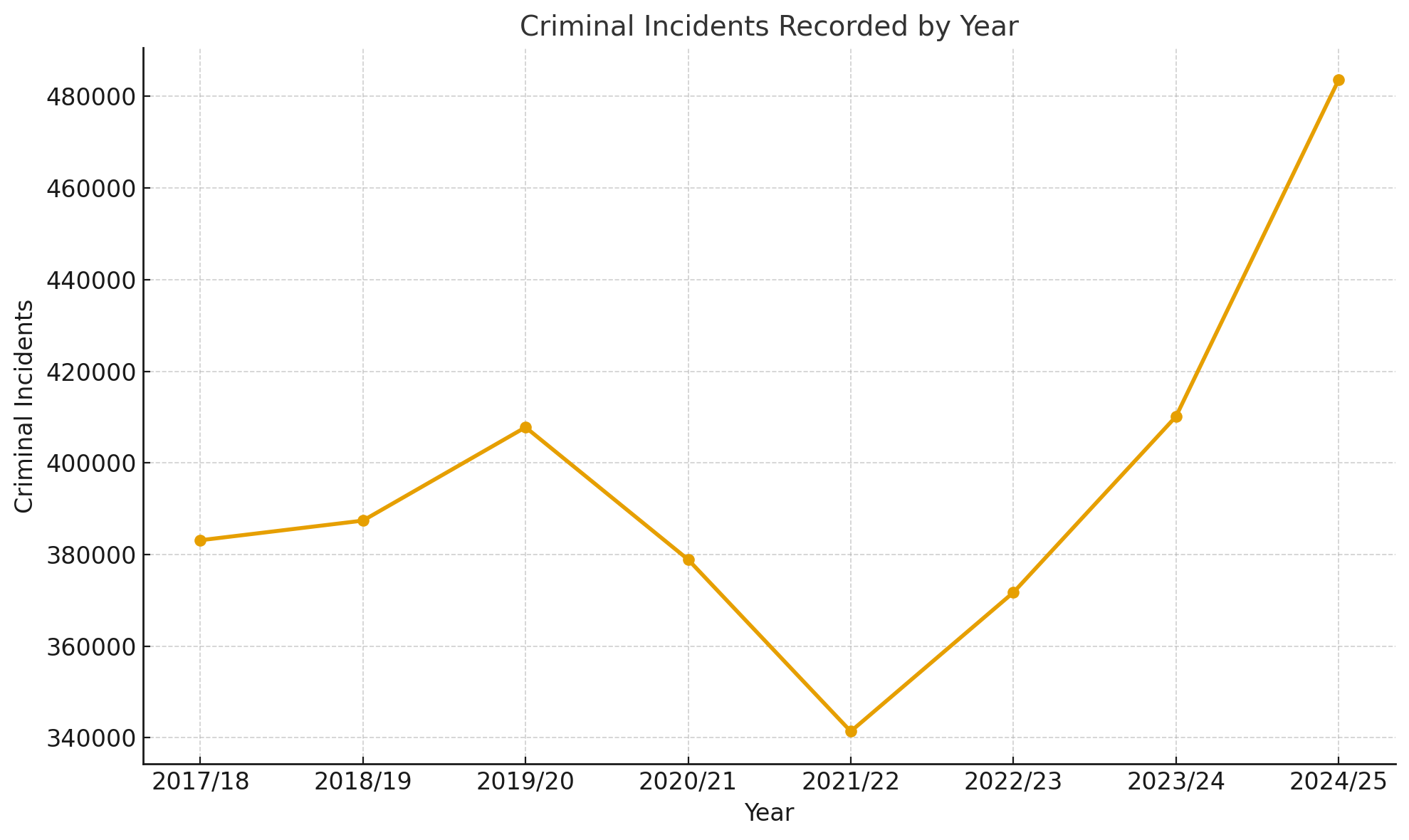
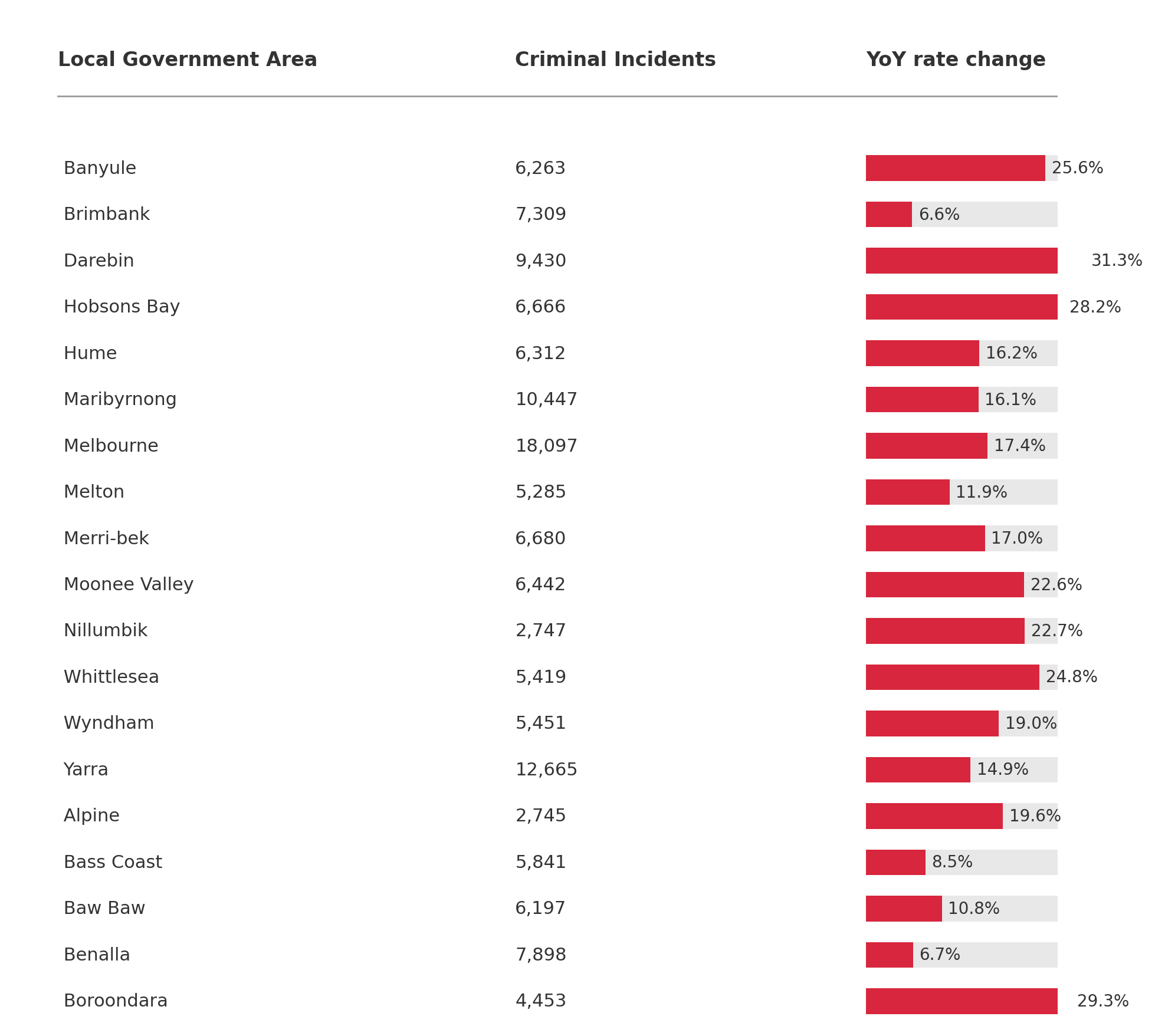
In the past year, Melbourne has been caught in a vortex of violent crimes that seem to show no sign of stopping. The word “crisis” is often overused, but the statistics do not lie. In the year ending June 30, 2025, criminal offences across the state increased by more than fifteen per cent compared to the previous year, reaching the absurd figure of 638,640.
Without any kind of action, Victoria’s reputation is changing and could take years to restore as the “terrifying wave of crime” and the brutal violence of youth gangs continue to frighten residents and tourists.
Victorian Premier Jacinta Allan last March announced “the toughest parole laws in Australia”, yet she continues to be criticised for being “too lenient”.
The reforms introduced by the state government regarding matters of law and order, such as stricter parole conditions for serious repeat offenders, a ban on machetes, the installation of disposal bins, increased police powers of detention and search, experimentation with electronic monitoring and intensive parole supervision for young people, do not seem sufficient. Simply, it is not enough.
The CSA has even reported an eighteen per cent increase in crimes committed by youths aged 10 to 17 during a 12-month period ending last March. Citizens under 18 were charged with more than 25,000 offences during the year.
“Every crime is unacceptable and every victim of crime is one too many,” said a spokesperson for the Victorian Government when asked for comment.
“We have the largest police force in the country and we’ve implemented tougher laws to back the work of Victoria Police who are arresting a record number of offenders,” they added.
“We thank Victoria Police for their work every single day keeping the community safe and we will continue to back them with the tools and resources they need to crackdown on offenders.”
The behaviour of repeat offenders and young delinquents appears to have changed visibly compared to past decades. Their blatant disregard for the law, and indeed for the consequences of their actions, requires a response that brings them back down to earth and shatters any illusion of video-game heroism.
On Wednesday, November 12, the premier joined Attorney General Sonya Kilkenny to announce that the Allan Labor Government will introduce the Adult Time for Violent Crime Bill to parliament this year.
Under the proposed changes, children aged 14 and above charged with committing serious violent crimes, like home invasions or assault using a machete, would be tried as adults.
This mean that prison sentences are more likely to be applied—and when they are, they’ll be longer.
In the 12 months ending at the end of June this year, aggravated home burglaries increased from 6454 to 7850 compared to the previous year.
Meanwhile, there were more than 4300 charges related to parole violations in the same period.
“Victoria is in the grips of a crime crisis thanks to Jacinta Allan’s weak response to crime,” said Leader of the Opposition Brad Battin.
“Knife attacks, home invasions and random street violence have become far too common. Dangerous offenders are walking free, families no longer feel safe.
“Victorians are paying $20 million a day to cover the interest on Labor’s debt—that’s money that should be spent on more police. Instead, Jacinta Allan cut $50 million from the police budget and left 1100 police jobs vacant.”
Liberals and Nationals have therefore announced that they intend to introduce “Jack’s Law”, giving the police the power to remove knives from offenders before they can be used.
In addition, with the 100-million-dollar Safer Communities Plan, they intend to invest in prevention programs for young delinquents and repeat offenders. “We will always be tougher on crime and smarter on justice than Labor,” claimed Battin.
Melbourne’s CBD and surrounding suburbs are by no means immune to the recent wave of fear and unease. Along with residents and commuters, many businesses are under heavy pressure from ongoing shoplifting and organised robberies.
Shop thefts continue to rise with 41,667 incidents recorded across Victoria in the past year—an increase of 27.6 per cent. A recent intervention in the CBD by Victoria Police led to more than 40 arrests, 110 charges and the recovery of more than $200,000 in stolen goods.
David Perrotta, owner for over twenty years of Cafe Andiamo and for over ten years of Mock Turtle, historic venues along the iconic Degraves Street in the heart of Melbourne, has long perceived an absence of “vigilance and control” in the city. Both of his businesses have often been targets of violent acts and theft.
“About a year ago, a group of young delinquents broke into the Mock Turtle cafe—it was closed to the public at the time—trying to take something,” he recounted.
“In the end, they stole some cups and glasses. The manager of Cafe Andiamo noticed and quickly followed them. One of the boys turned around and punched him in the eye, completely smashing it.”
Cafe Andiamo is a frequent target of robberies and break-ins. “Recently, a woman entered the venue, grabbed a bottle of wine and ran away,” he said.
“Often, they walk by shouting, are under the influence of drugs and kick our tables, overturning everything.
“It’s unpleasant to witness such episodes every week,” he added.
Furthermore, with the closure of the police station on Flinders Lane, businesses in one of the most touristic and visited corners of Melbourne have effectively found themselves without any protection.
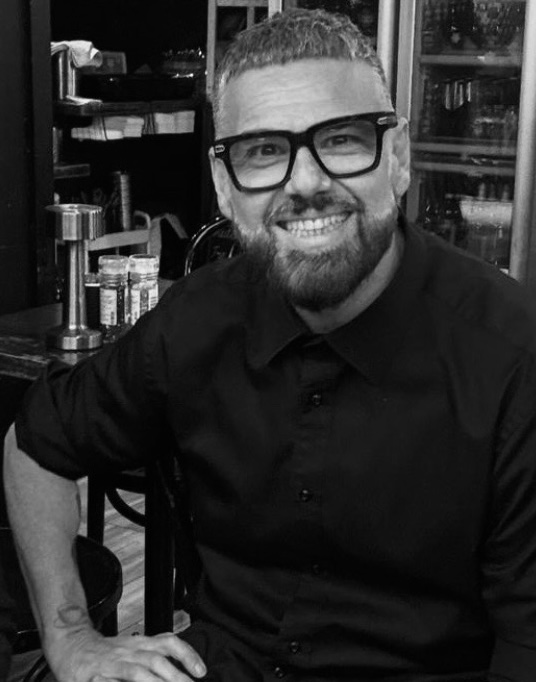
Owner of Cafe Andiamo and Mock Turtle, David Perrotta
“We used to see police officers every day; maybe they’d stop for a coffee, it was an extra sense of security,” Perrotta continued.
“I’d expect to see at least one patrol a day, but there’s no officer in the area. When I park in the morning, at around 6 a.m., I don’t feel very safe walking to my shop because there’s no surveillance, no control. You always walk looking over your shoulder.”
Andrea Vignali, owner of restaurant Al Dente in Carlton and the adjacent cafe Sega Pizza, together with Davide Bonadiman and Michelle Badek, has complained in the past year of “a situation of serious concern in Melbourne and an uncontrollable rise in crime”.
“One morning three weeks ago, I woke up and noticed I had received several calls from our cafe manager,” recalled Vignali. “He was opening the shop and found everything destroyed.”
“The offender was obviously under the influence of drugs: he wrecked everything and even spat in the sugar. But in the end, he only took the cash from the register, leaving behind valuable equipment in the shop.”

Left to right: Sega Pizza owner Davide Bonadiman, manager Kevin Wong and other owners Michelle Badek and Andrea Vignali
Through security cameras, the staff observed the vandalism and also the arrest of the suspect by Victoria Police.
“Of course, we threw everything away, sanitised everything, replaced the glass,” he continued.
“A whole day with three staff members just cleaning every corner of the place. These are huge expenses for a business.”
What really worried the restaurateurs was the offender’s return to their shop, just the day after his arrest. He had been released on parole.
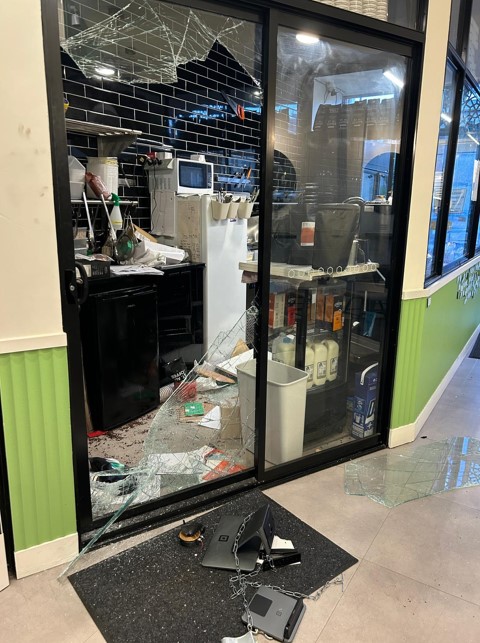
The aftermath of the incident at Sega Pizza
“He was already free,” Vignali revealed. “Also, trials are slow and there are no resources to speed them up.
“And to avoid putting our employees at risk, we’ve decided not to open the cafe at night for now.
“The real change in the state would be to keep criminals in prison or in a rehabilitation centre that can truly help them,” he said.
“We even received a call from this person’s family who saw our complaint video on social media and called us to apologise.”
“Melbourne is a safe city, but our community tells us there’s more we can do to help them feel safer—and we’ve listened,” said City of Melbourne Mayor Nicholas Reece.
The city has announced the largest safety investment in its history, with more officers on the ground, more surveillance cameras and new lighting for the Melbourne’s iconic laneways.
The new ‘Community Safety Team’ will be operational on the streets starting this November, “helping make Melbourne feel safer for everyone and deterring anti-social behaviour”.
Over 100 new high-tech cameras will also be added to the current ‘Safe City Camera Network’—allowing more areas to be monitored and more footage provided to the police.
The new team will include eleven new positions, including security officers, a supervisor and a coordinator, all of whom have completed extensive training that includes awareness of mental health and substance use.
They will also be fully equipped to handle behaviour that violates local laws and will work closely with Victoria Police and Cohealth.
“This is a first for local government and the biggest shift in on-street safety in Victoria since protective services officers were introduced 13 years ago,” added Mayor Reece.
Also rising sharply in the past year to last June were vehicle thefts, up 42.1 per cent.
According to police, at least one in five stolen cars is taken using electronic key reprogramming or cloning devices, more than eight hundred of which were seized from criminals in the past year.
Particularly vulnerable are the inner suburbs of the state, where residents rely on street parking.
“More than twenty years ago, my van was stolen in front of the Royal Melbourne Hospital,” shared Lucio Pellicciotta, a builder from Abruzzo who has been in Australia for over thirty years.
“Even just before the pandemic, some criminals entered a factory in Mulgrave where I had a container full of equipment and took everything.
“More recently, a Holden Silverado stole the trailer from my van, right in front of my house. Unfortunately, these are acts of delinquency that repeat over the years.”
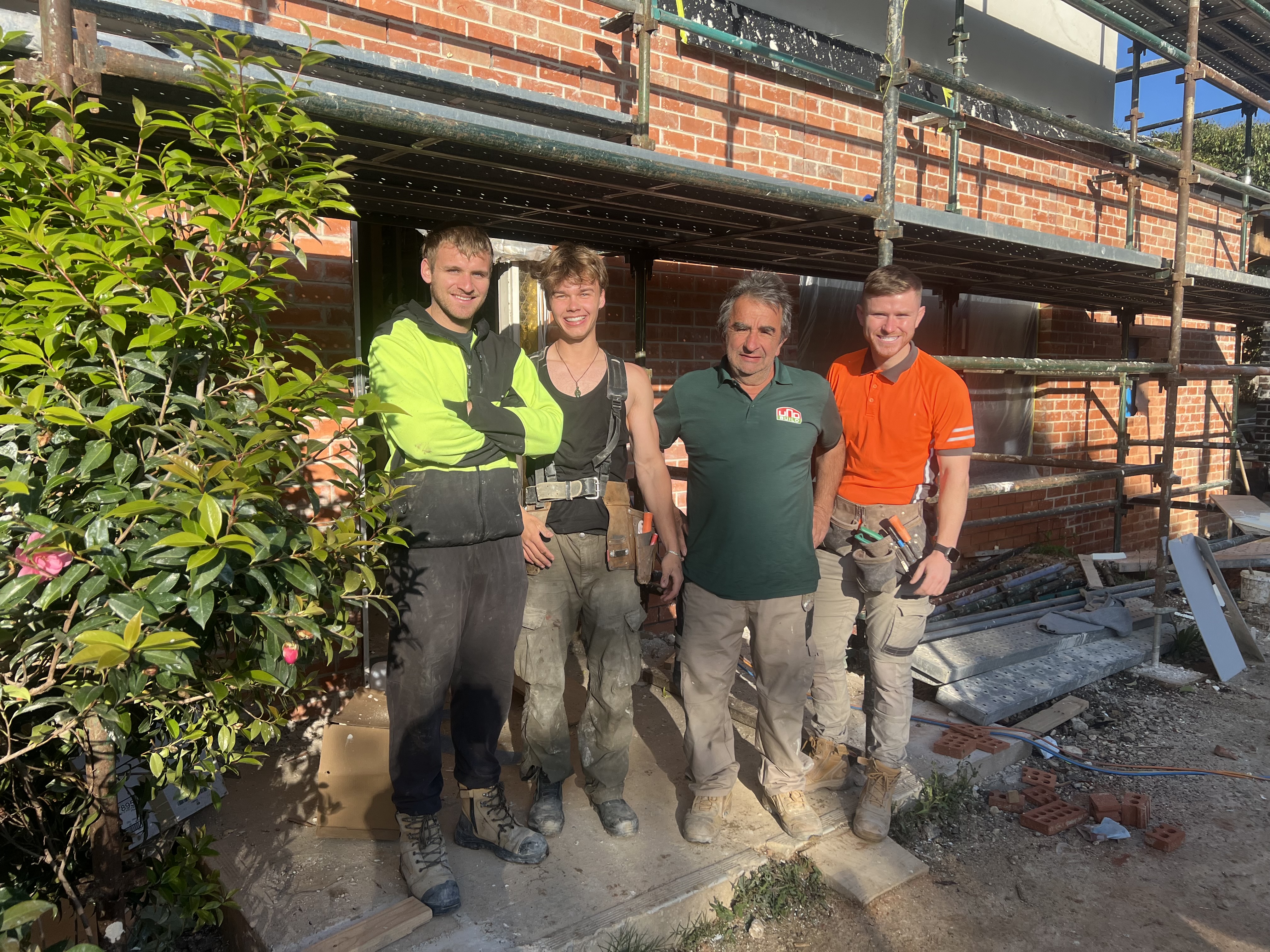
Lucio Pellicciotta (second from right) with his employees at a job site
Although he managed to obtain some details of the car driven by the thieves thanks to a neighbour’s security camera, Pellicciotta has not yet been able to trace the stolen trailer. He also admits that such episodes “psychologically strike citizens”.
“You start to feel unsafe, to be afraid,” he continued. “Then you realise that it’s often very young people committing such acts—and that’s even more frightening.
“They’ll grow up thinking they can do even worse. I understand that in an ideal world it’s important to follow a rehabilitative path, but there should also be real punishments and rules to respect.”
For Pellicciotta, the answer lies in funding and resources for safety that “the state government seems to keep cutting”.
In the past twelve months, Victoria Police has made over 77,500 arrests—as many as 212 per day. The number also includes 3300 arrests of the worst young offenders in Victoria.
“Youth gang detectives working as part of Operation Alliance conduct bail compliance checks, search warrants, vehicle intercepts, and patrols where gangs hang out to disrupt knife violence and seize edged weapons,” explained a spokesperson for Victoria Police.
“The community should be in no doubt Victoria Police is investing significant energy towards getting knives out of the hands of criminals, with almost 13,000 illegal knives seized by police this year.”
Chief Commissioner Mike Bush recently announced that tens of thousands of police work hours have been redirected toward field operations as part of a broad reform package.
For Roberto Battiston, a construction builder from Veneto who has been in Australia since 2003, his residential area of Ashwood “has always been particularly quiet”, but has changed drastically in recent months.

Roberto Battiston
“Last February, my van was stolen,” he said. “The police found it on the other side of the city—on Bell Street in Pascoe Vale—and inside there was everything: syringes, drugs, garbage.
“It was traumatic to go through such an experience and to lose so much after working hard to buy it. What hurts the most is that judges let them go immediately.
“And of course, they start committing the same crimes again.”
“Aggravated home burglaries remain unacceptably high and are another key priority for police,” said the Victoria Police spokesperson.
“While 98 per cent of aggravated home burglaries are non-confrontational, it is imperative that people feel safe in their own homes.
“That is why Operation Trinity continues to run across Melbourne every single night, with five burglars and car thieves arrested each day for the past year.
“This remains Victoria Police’s most heavily resourced operation—reflecting the seriousness police place in reducing this offending.”
Laura Marino, originally from the province of Treviso and a Melbourne resident for eight years, has always considered her neighbourhood in St Kilda “particularly lively”.
“There are more young people, it’s a very vibrant, multicultural suburb, but unfortunately there’s also a lot of drug activity,” she said.
“In 2022, for example, we went to Italy and a friend stayed at our house. At eight in the morning, a delinquent climbed onto our roof, trying to break into our home.
“In the end, he went to our neighbours’ house and broke through their ceiling. He was clearly under the influence of something.”
Recently, Marino was also the victim of a car theft—while the vehicle was at the mechanic for repairs. More than anything else though, she’s concerned about the increase in violent assaults and “episodes of youth gangs with machetes”.
“A couple of weeks ago, at Luna Park in St Kilda at six in the evening, a group of kids started fighting with machetes,” she recalled.
“Such a situation is really dangerous—especially considering that the area at that hour is full of families.
“We have two children, aged 14 and 12, and we try to find a balance between giving them the right amount of freedom to go out and, of course, teaching them how to behave in such situations.
“But it’s distressing and sad to think one could witness such violence.”
It is now clear that the state is in the midst of a record crime wave. And Premier Allan’s attempts to contain the damage seem focused only on the shoreline—parole reforms and a machete ban that aim merely to clean up the debris left by the crashing waves.
Victoria Police, on the other hand, tries to keep its gaze fixed on the horizon, ready to scan the ripples of crime before they can swell.
But it’s evident that broader changes are needed in government and the courts, with the hope of calmer waters, as soon as possible.