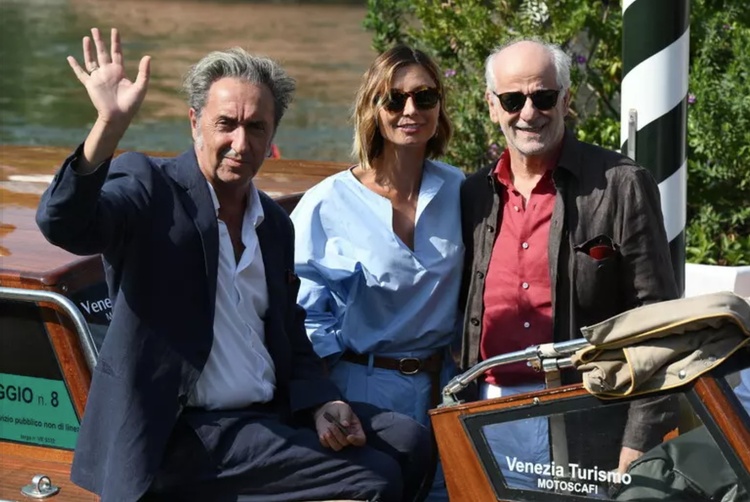
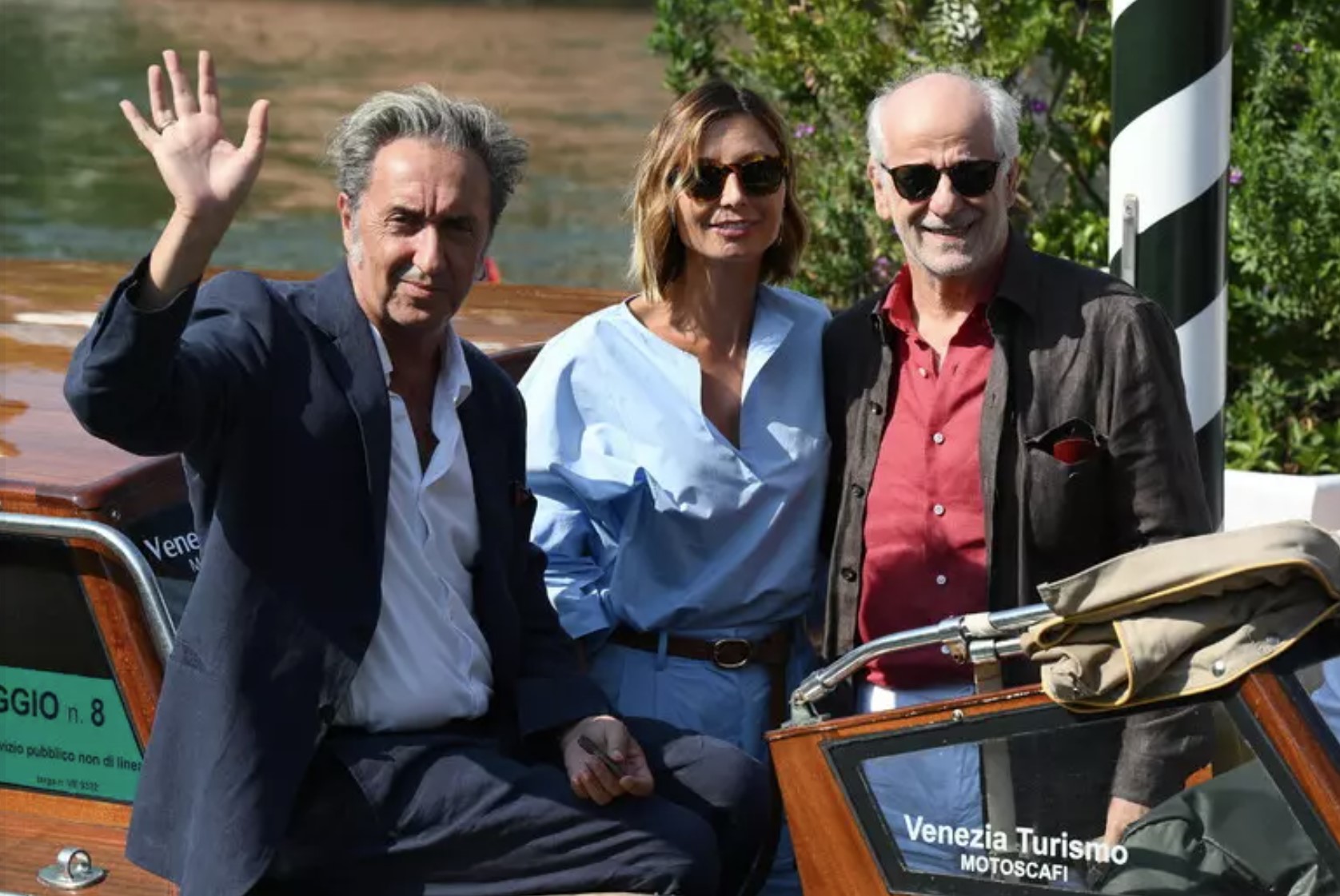
“A film about love. Not just immediate love, which concerns history, but also love in the broader sense for a wife, a daughter and also for institutions, for the law and even love for a way of engaging in politics that is unfortunately increasingly out of date, one that was tied to the exercise of doubt and responsibility,” the Il Divo, Youth, Hand of God, Loro and Pathenope director said about La grazia, which received much applause at Wednesday morning’s press screening.
In the film, to be released in theatres on January 15, 2026, by PiperFilm, Mariano De Santis (played by Toni Servillo) is the fictional President of the Republic, a widower and Catholic who lives in the Quirinale Palace with his daughter, Dorotea (Anna Ferzetti), a lawyer like himself.
He is now at the end of his term and must decide on two delicate requests for pardon, both related to euthanasia.
However, deep within him remains the great love for his wife, who passed away eight years earlier, coupled with a further doubt that haunts him.
“The exercise of doubt is one of the qualities rarely seen in politics,” said Sorrentino.
“The degeneration of doubt in the First Republic was called immobility.
“But on issues like granting a pardon to a murderer or signing a law on euthanasia, the exercise of doubt should be a conditio sine qua non.
“Today,” Sorrentino continued, “we too often witness men of power exercising certainties.
“Only once those certainties were supported by ideologies. Today, they are mostly bizarre.”
ANSA