For generations now, they have been perfecting their techniques, never failing to consider both aesthetics and flavour.
The Fantauzzo pastry chefs have unknowingly transformed Melbourne’s approach to the world of sweets, having entered the market at a time when the only desserts on offer were gingerbread, chocolate mousse, meringues and fruit flummery ― a starch-based pudding which originated in Britain and Ireland.
Already a master pastry chef in Rome and the owner of a large shop in the heart of the Italian capital, Vincenzo Fantauzzo, originally from Palermo, made the difficult decision to leave Italy behind. Having been “hindered by profound difficulties” in his homeland, he decided to try his luck in Australia, a distant land rife with new opportunities.
“It was 1961 and my grandparents simply wanted to change their lives, to strive to build something more concrete, a safer future for everyone,” said grandson Enzo Fantauzzo.
“The family is originally from Sicily: my father Carmelo was born in Palermo, but grew up in Rome. Although when looking at their old black and white photos you can immerse yourself in the typical Italian ‘dolce vita’, the capital was not enough for them.”
The need to embark on a new path guided them to the Bonegilla migration centre, where they lived for six months.
“They still remember the terrible food they were served; they were forced to go out to look for fresh vegetables and went to the lake to fish,” Fantauzzo continued.
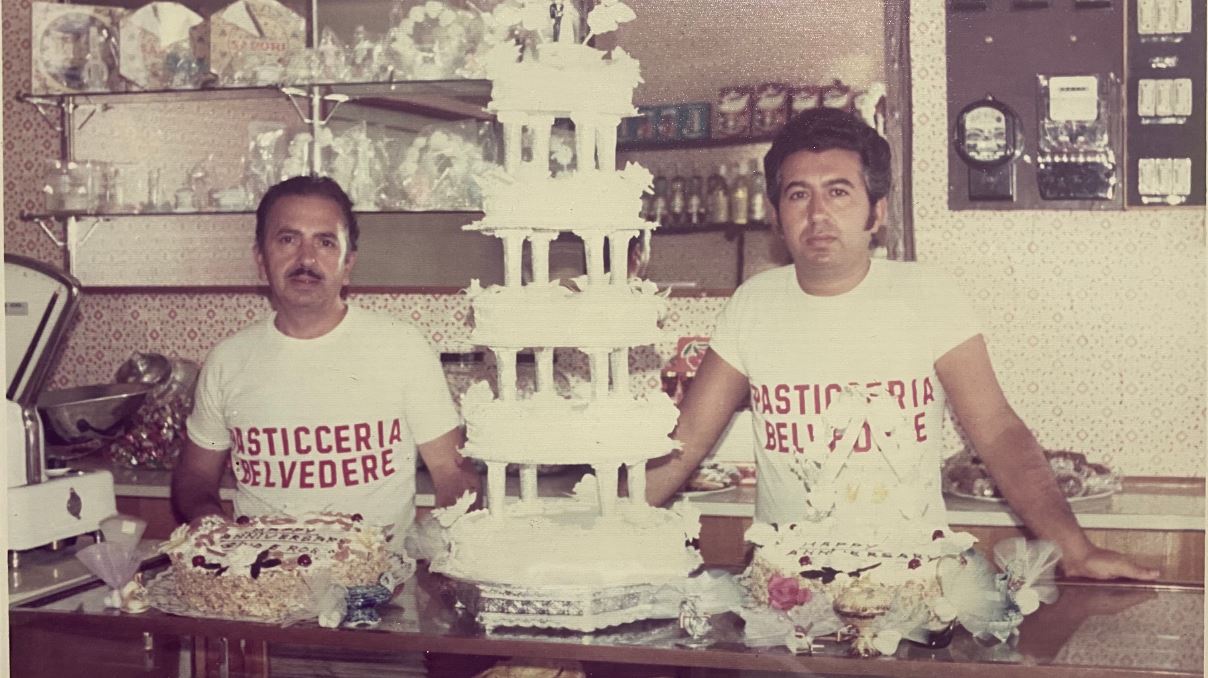
After a short stint in Sydney, and after leaving the refugee camp in northern Victoria, the family decided to settle in Melbourne. Along High Street, the busiest street in Thornbury, Vincenzo and Vincenza Fantauzzo opened their first shop - Pasticceria Belvedere.
“My grandfather was a great salesman; in fact, before opening the pastry shop, he would go from shop to shop to personally present his sweets,’’ Enzo recounted.

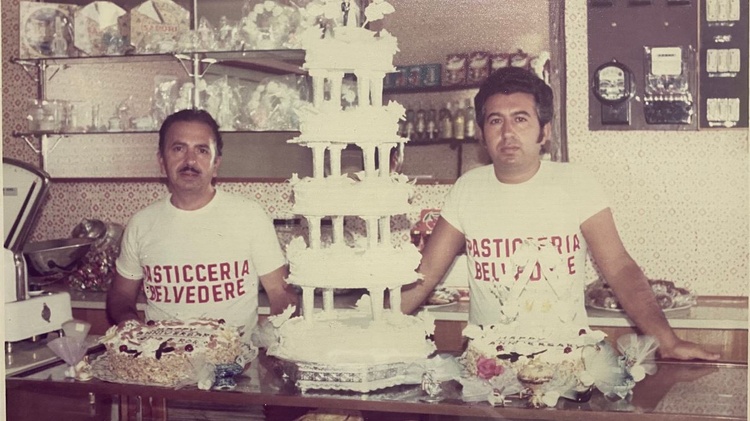
Carmelo Fantauzzo in the family's Rome pasticceria.
“At the beginning of the 1980s, my father Carmelo took over the running of the pastry shop, alongside my mother Maria. After fifteen intense years, they decided to close the shop in 1995. High Street had undergone transformation, business was changing, big supermarkets had arrived and the street had become quieter. Unfortunately, at that time there weren’t the means of communication that there are today and you had to rely on foot traffic alone to run a business.”
Through their 20 years in the business, the Fantauzzo family has played an instrumental role in Melbourne’s confectionery artistry and famous ‘continental cake’ culture ― liqueur-soaked sponge cakes, chocolate or vanilla creams, in whimsical shapes and extraordinary sizes.
Although Enzo Fantauzzo embarked on a career far removed from the world of confectionery, opening a signage business that he still runs today, the family tradition lives on, and has recently found a new outlet, with the opening of ‘Mio Nonno’ in Airport West.
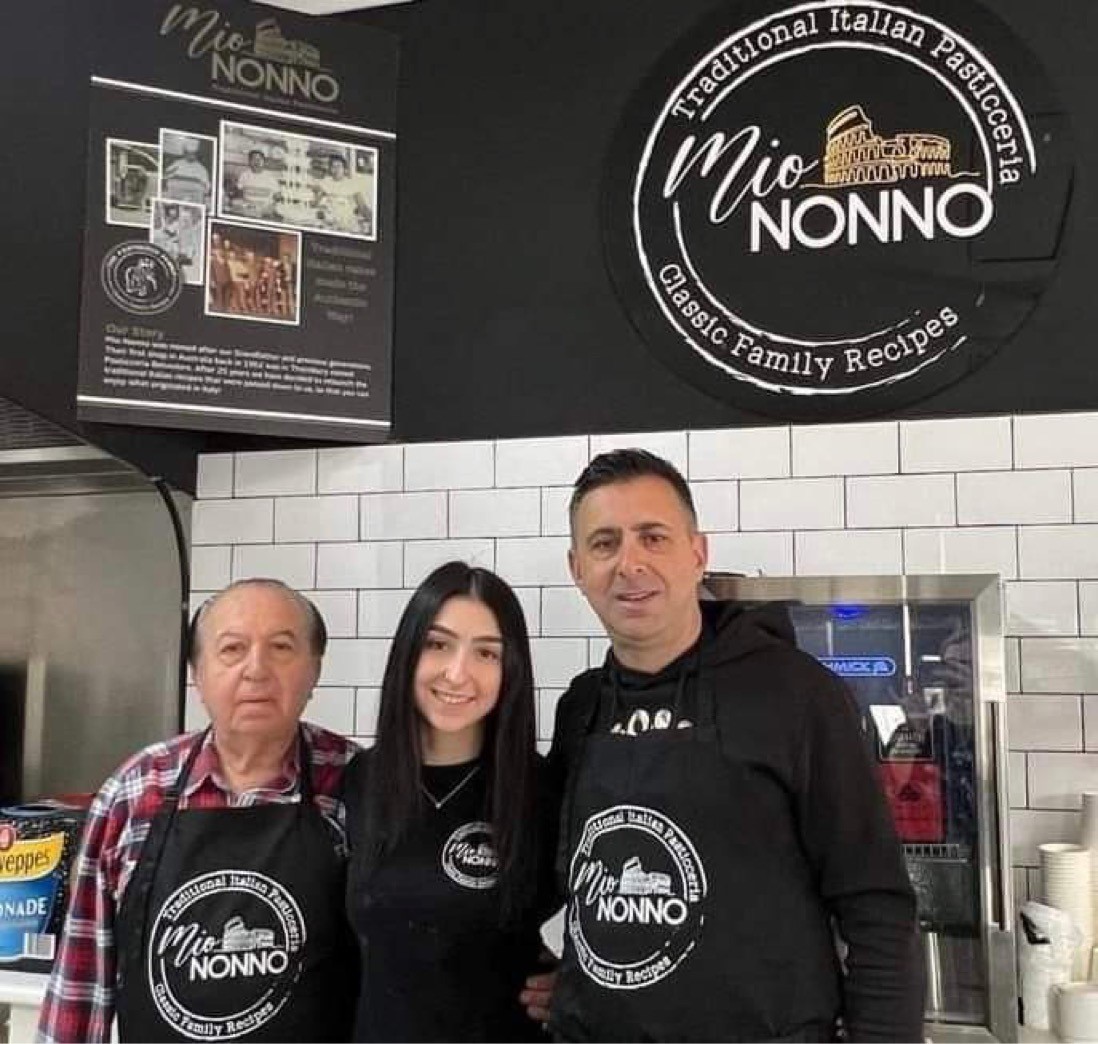
Carmelo, Jessinta and Enzo at ‘Mio Nonno’ in Airport West.
“The shop is for my daughter Jessinta, who has always loved making cakes and pastries,” Fantauzzo said.
“The recipes go back in time to my grandparents and my father, which is why the name of the pastry shop is, ‘Mio Nonno’, because it respectively refers to my grandfather but also my daughter’s grandfather.”
‘Mio Nonno’ not only serves cakes, but also cannoli, biscuits of all kinds and, for those passing by, a good cup of takeaway coffee.
“We don’t outsource anything; we make everything from scratch, the old-fashioned way. Everything has to be fresh and made weekly or daily, like the custard. There are no shortcuts,” he added.
The ‘Mio Nonno’ shop is already ready for Christmas, with its vast selection of crostoli, ladyfingers and gingerbread; it will also be open on Christmas Eve.
With young Jess’s introduction to the world of sweets, the Fantauzzo family can now boast at least ten generations of master pastry chefs.
Some of them still own businesses in Rome, protectively guarding their logo, “an ancient royal symbol, showing an elephant with a castle and a crown, because a distant relative was a court chef.”