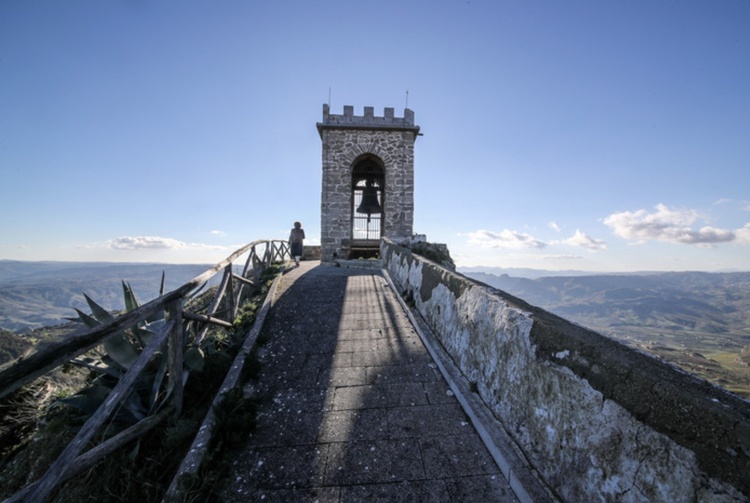
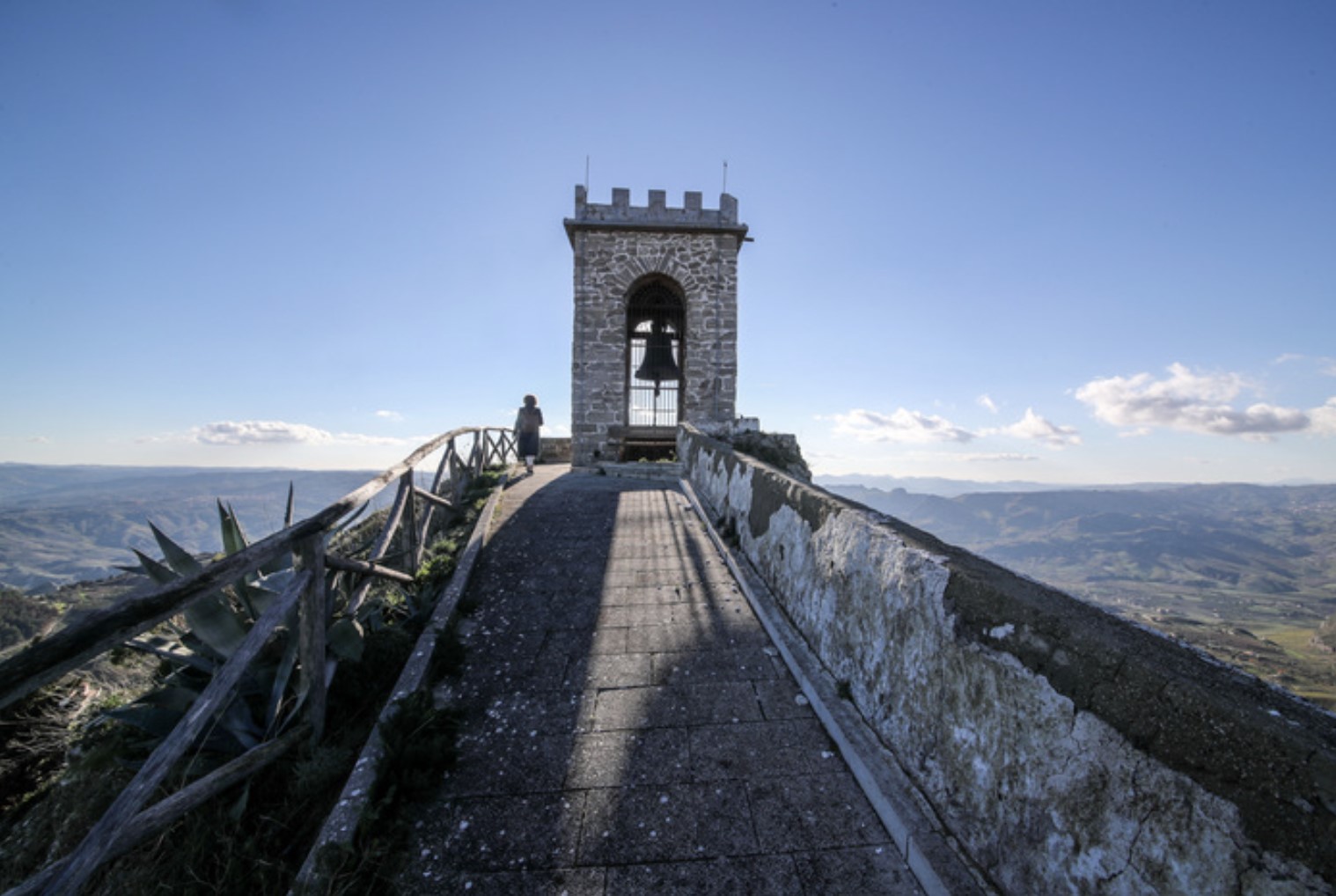
Whether perched high in the Madonie Mountains or spread comfortably along the sea, a borgo invites you to see, taste, touch, smell and, above all, listen. You’ll hear voices carried by earth and water, community tales and ancestral sounds sometimes echoing through a chalk cave where legends of kings, noblewomen and ingenious inventors are told.
These villages attract people seeking flower-lined alleys, warm hospitality from families who set tables laden with food that tastes like home and the unique charm of an albergo diffuso, a “scattered hotel”, a concept that blends tradition with authenticity.
It’s a 360-degree experience, where history, community and daily life converge. In recent years, Sicily has solidified its reputation as a fast-growing destination for village tourism, thanks to its small towns rich in heritage, art and local identity.
While the five senses are certainly engaged all over the region, the Sicilian village of Militello Val di Catania has managed to go even further, and visitors recognise this. Tourism here is growing, and not just in the traditional summer months. Last year alone, the area saw an increase in tourism of over 7 per cent.
A clear testament to the town’s rise as a tourism hotspot is its first-placed finish in the Rai Il Borgo dei Borghi 2025 contest. Militello Val di Catania is a baroque jewel with 7000 residents, 21 churches and UNESCO World Heritage recognition (shared with the Val di Noto) since 2002.
This marks the fifth time a Sicilian village has claimed the crown, following victories by Gangi (2014), Montalbano Elicona (2015), Sambuca di Sicilia (2016) and Petralia Soprana (2018).
Militello’s win is already having a tangible effect. Mayor Giovanni Burtone describes “a flood of visitors on spring weekends”. The Sicilian Region has seized this momentum, using it to promote sustainable and culturally conscious tourism.
Meanwhile, the entire Val di Noto, home to towns like Modica, Ragusa, Noto and Caltagirone, recorded a 10 per cent increase in overnight stays in non-hotel accommodations (B&Bs, inns and alberghi diffusi) in 2024 alone. Between 2022 and 2025, the area experienced a 15 per cent growth, driven by demand for authentic, immersive experiences.
Other winning villages are seeing similar success: Montalbano Elicona (Messina), the 2015 winner, continues to grow (+5 per cent) while Petralia Soprana (Palermo), the winner in 2018, logged about 40,000 overnight stays last year.
Even Buccheri (Siracusa), though not a contest winner, was recognised as Italy’s “Best Culinary Destination” in 2021, with its agritourism sector growing by over 20 per cent.
The Sicilian formula is simple yet powerful: curated, varied itineraries offered especially during spring weekends featuring churches, museums, ancient monasteries, local restaurants and craft workshops.
Perhaps most encouraging is the return of young people. Digital nomads are choosing these villages for their high quality of life. Natural beauty, affordability, great food and freedom from urban stress, paired with the ability to work remotely, make it a good choice.
At the same time, many young Sicilians who had left the island for work or study are now coming back, revitalising family businesses with fresh ideas and a modern outlook. This generational shift, supported by regional incentives, is fuelling new investments and revitalising local economies.
ANSA