ADELAIDE - They understand the constant effort required to engage students, make lessons fun, interesting and relevant, and at the same time convince families of the importance of learning a second language.
Olivia Esposito is no exception, constantly balancing the challenge of sharing her love for her subject with competence and presenting it in the most engaging way possible.
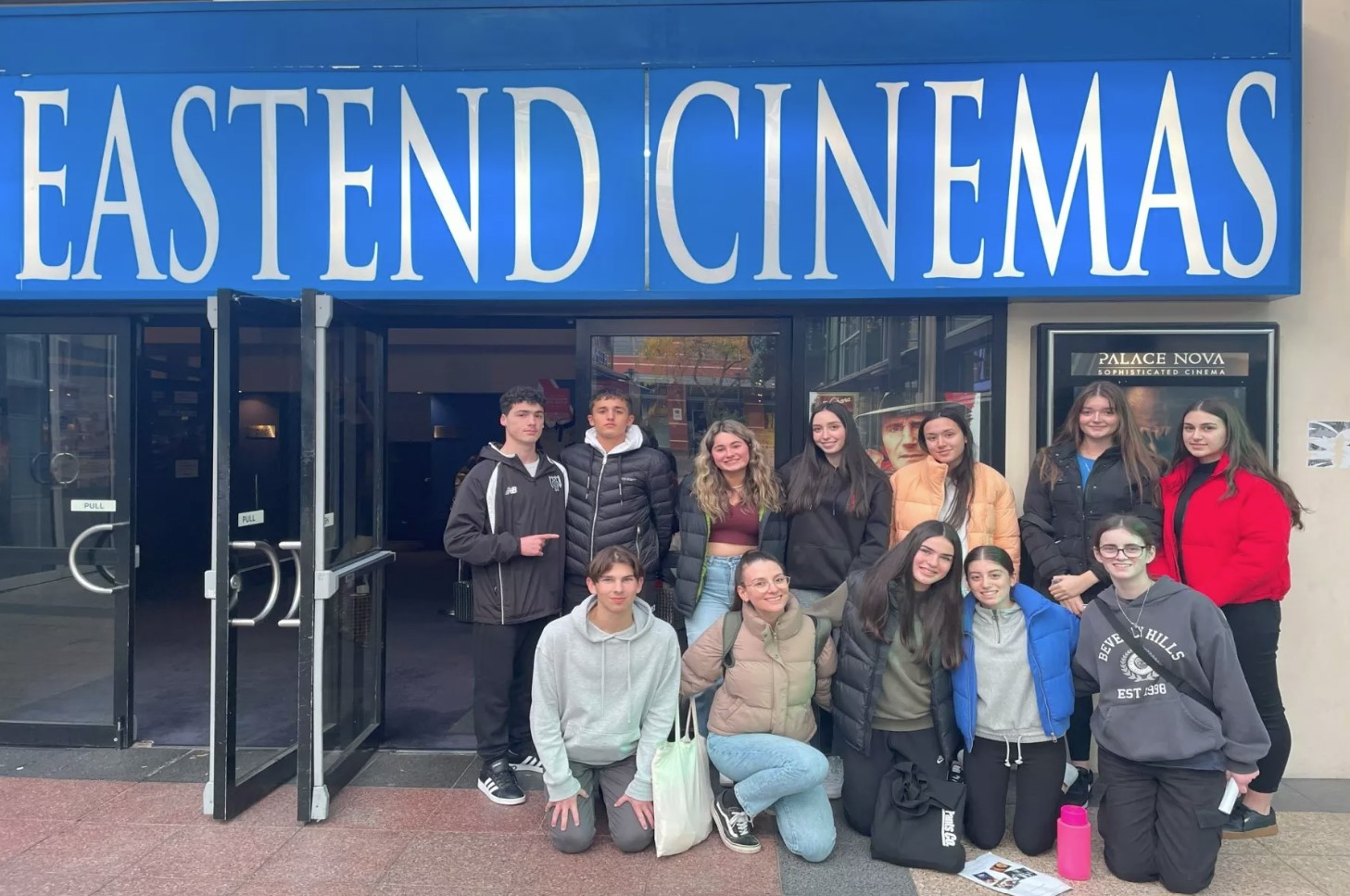
“For this reason, I try to take the students out of the classroom whenever I can, organising excursions,” Esposito explains. “Recently, for example, we took part in a cooking class run by people who migrated from Sicily, where they taught us how to make busiate, a type of durum wheat pasta common in the Trapani area.”
Engaging with the local Italian community near the school is another strategy Esposito uses, which is particularly effective for “creating a sense of community and showing that you don’t necessarily have to go to Italy to speak the language”.
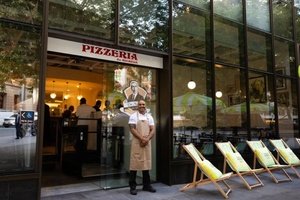
It’s enough, she says, to simply be willing; you can practice Italian by stepping into a gelato shop, a café or a restaurant.
“We focus on cultural experiences and getting students out into the real world to see how Italian is actually used,” Esposito emphasises.
The teacher explains that when the class does stay indoors, music can be a powerful ally. “We often use Italian music. From the Sanremo Festival, for example, one song the students loved was Tuta Gold by Mahmood, for which we even created a dance routine,” she shares.
“And Sarà perché ti amo is another hugely popular song, partly because it’s linked to football. AC Milan fans sing it together at the San Siro stadium, and Serie A is very popular in Adelaide, especially among students with Italian heritage. So, football is also a topic we often discuss in class.”
The school has also managed to organise a cultural trip to Italy and Germany for senior students studying Italian and history. They visited Rome, Orvieto, Naples and Pompeii before heading to Germany, resulting in an experience that has been incredibly motivating.
“And even though, for now, we’re only organising cultural trips, the goal is to establish a real exchange with an Italian school and hopefully host a group of Italian students at St Michael’s College,” Esposito adds. She’s quick to note, though, that grammar isn’t neglected in her classes.
“Every lesson includes some grammar,” she reveals, “For instance, we might watch short clips from a film that use a specific verb tense and then discuss it. Or we watch videos on YouTube.
“Then, I use the approach of Gianfranco Conti - my secret weapon. All my students have mini whiteboards for writing but, in my view, speaking is the most important part. More than reading or writing, I want them talking.”
In her seven years at the school, Esposito, who is also the main Italian teacher, has learned that teaching through a fun and engaging approach encourages students to continue learning Italian. It’s a language she herself encountered only during her school years, despite both sets of her grandparents being of Italian origin.
After completing a bachelor’s degree in Languages and Intercultural Communication, Esposito went on to graduate in languages (English, Italian and French) before spending two years at the University of Bergamo through a university exchange program.
That period, during which she studied in the Faculty of Foreign Literature and Languages, changed her profoundly and helped her realise she wanted to teach Italian. Upon returning to Australia, she enrolled in a Master of Teaching to pursue that dream.
“In Bergamo, I completely immersed myself in the language, sharing a house with Italians, which greatly improved my Italian,” she recalls, “But it also allowed me to fulfill my dream of living abroad, discovering another culture and gaining new perspectives on the world.”