Twelve years. That is how long it took Fortunata Murolo to obtain permanent residency in Australia, moving from one visa to another and living with uncertainty. Now that long process has become a book, Casa, written for two types of readers: those about to leave their home country who want to know what to expect, and those who cannot bring themselves to leave home.
“I have lots of friends who were born and raised in their small towns and cannot move away,” she says. “I wanted to open a window for them onto what they might have experienced had they decided to leave Italy.”
Originally from Gragnano, Murolo had moved to Rome before arriving in Australia in September 2014 as an au pair for a family living five hours from Perth. Her new location comprised a café, a bar, a petrol station and a house in the middle of a vast, silent grassland. “Coming from a big city, I felt lost,” she recalls. She was already thinking about a ticket home when a friend suggested she join her in innercity Sydney.
Everything changed in Five Dock. She found work straight away, had a car within two weeks and was juggling as many as three or four jobs, from dawn shifts to evenings at a restaurant. The combined incomes allowed her to save some money and, after six months, return home to Italy laden with presents, “like Father Christmas”.
When she decided to stay in Australia, the hard part began. “I didn’t want to work on a farm to renew my working holiday visa, because animals and I are worlds apart,” she jokes. In Five Dock she met Gaetano, a Sicilian who had also arrived in September 2014. First they were friends, then housemates, and finally a couple. A migration agent then pointed her towards chef training as the pathway most likely to lead to residency. Meanwhile, she worked in hospitality across Wentworth Point, Olympic Park and Putney, from waitress to front-of-house manager, from barista to chef.
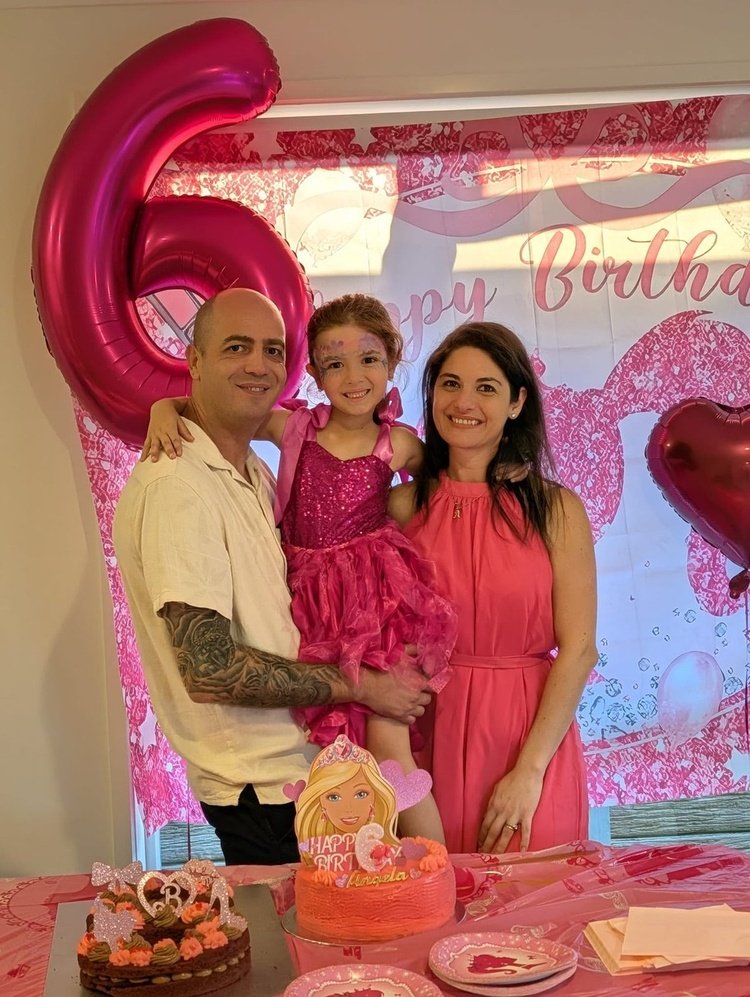
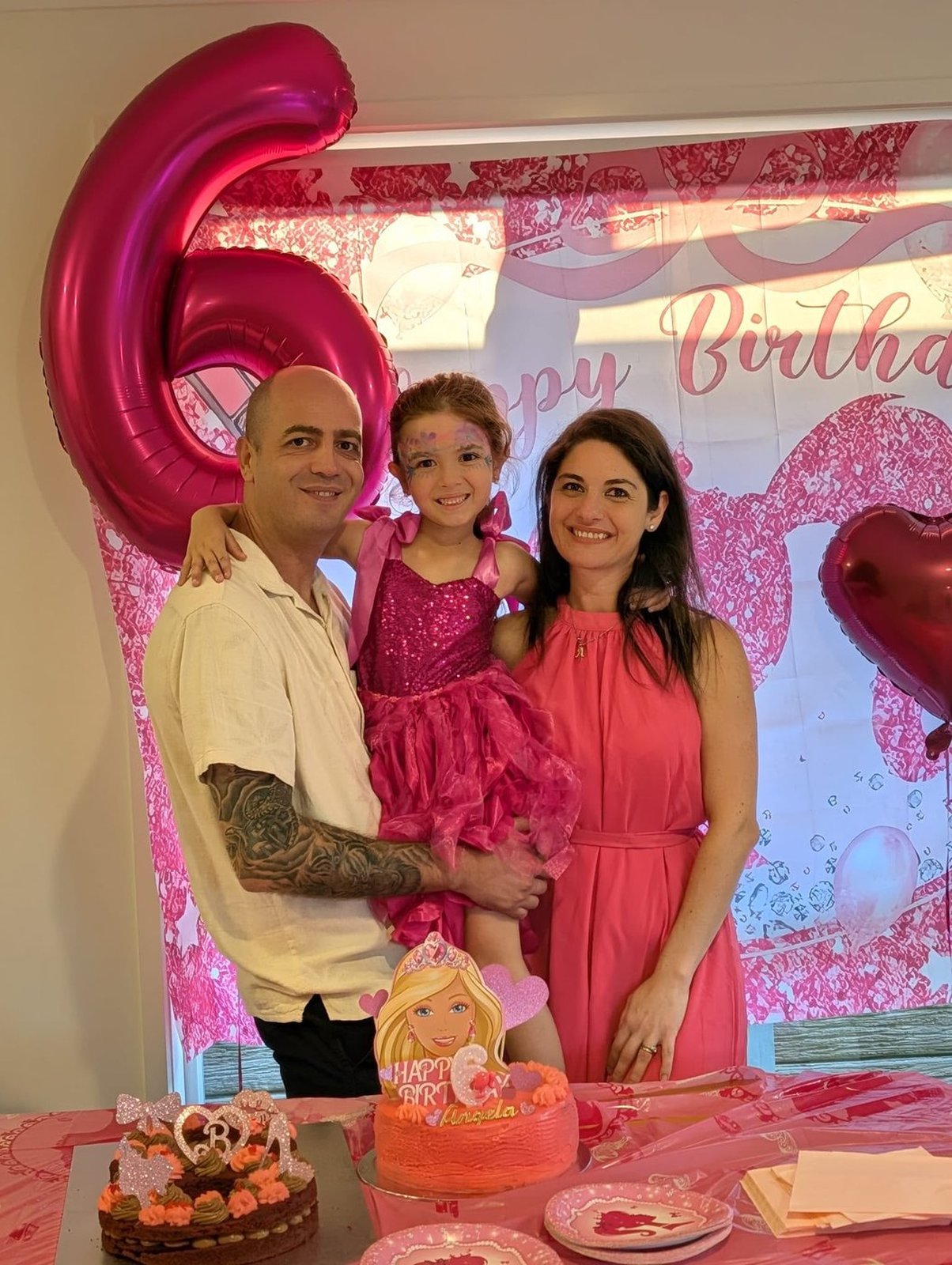
There was no shortage of difficulties. During COVID, her daughter Angela was born. She is now six. Her mother-in-law was due to arrive from Italy, but closed borders left the couple alone with a newborn. Complicating matters was a severe allergic reaction to the vaccine that lasted almost a year. “It was really tough.” Then there was the language barrier, as Murolo did not speak English well: “At first, answering the phone sent me into a panic. I would sweat all over,” she shares.
Yet Murolo says she would do it all again “without hesitation”. At most, she would skip a few student visas and aim straight for the right one. Her brother still lives in Italy and is the only member of her family to have visited. He came for one month, then returned home, unable to bear being away from Italy. For Murolo, however, returning is not on the cards: “Australia has a different lifestyle, and once you get used to it, it is hard to go back,” she says.
For anyone wanting to migrate today, with tighter rules in place, Murolo suggests having a clear plan. “If you arrive knowing what you want to do, you know how to prepare and how to reach your goal. And today I can say it is absolutely worth it.”