MELBOURNE - St Bernardette’s Primary School in Sunshine North is not a young school: it has a history spanning around 80 years, during which its Italian program has not been offered continuously.
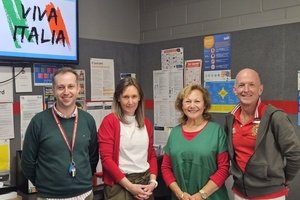
When it was reintroduced in recent years, it was built around a solid program, which Matteo Maccio has been responsible for developing for the past seven years. Alongside him is principal Brendan Gill, “who is very supportive of language teaching, so much so that there are now two of us teaching Italian”.
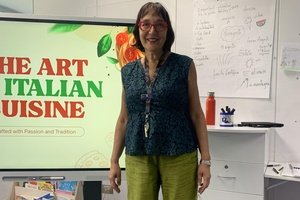
Working alongside Maccio, who teaches Years 2 to 6, is his colleague Jane Gilmartin, who looks after the younger children, from Prep to Year 1, and the Community Kids program. “She sometimes combines Italian and cooking too, using this opportunity to promote Italian culture and talk about the Mediterranean diet and culinary traditions”.
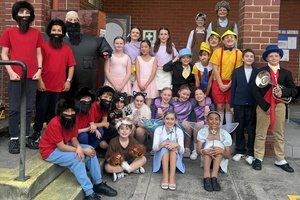
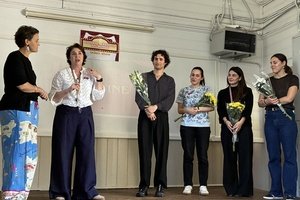
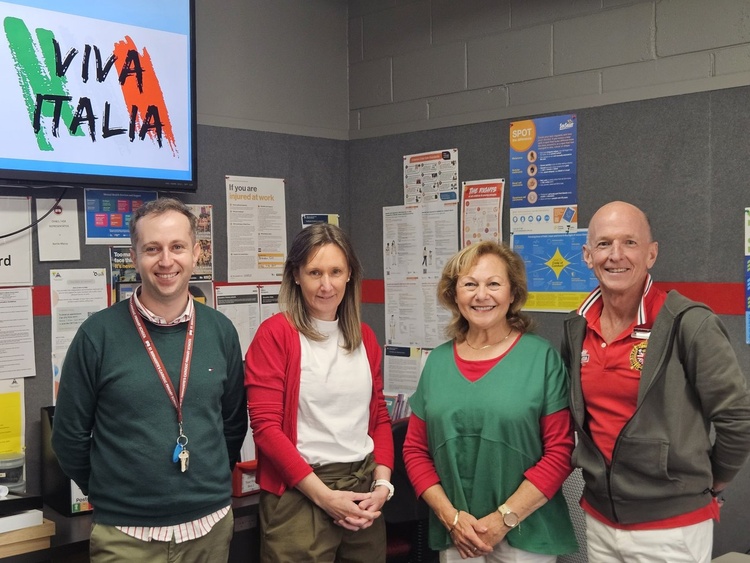
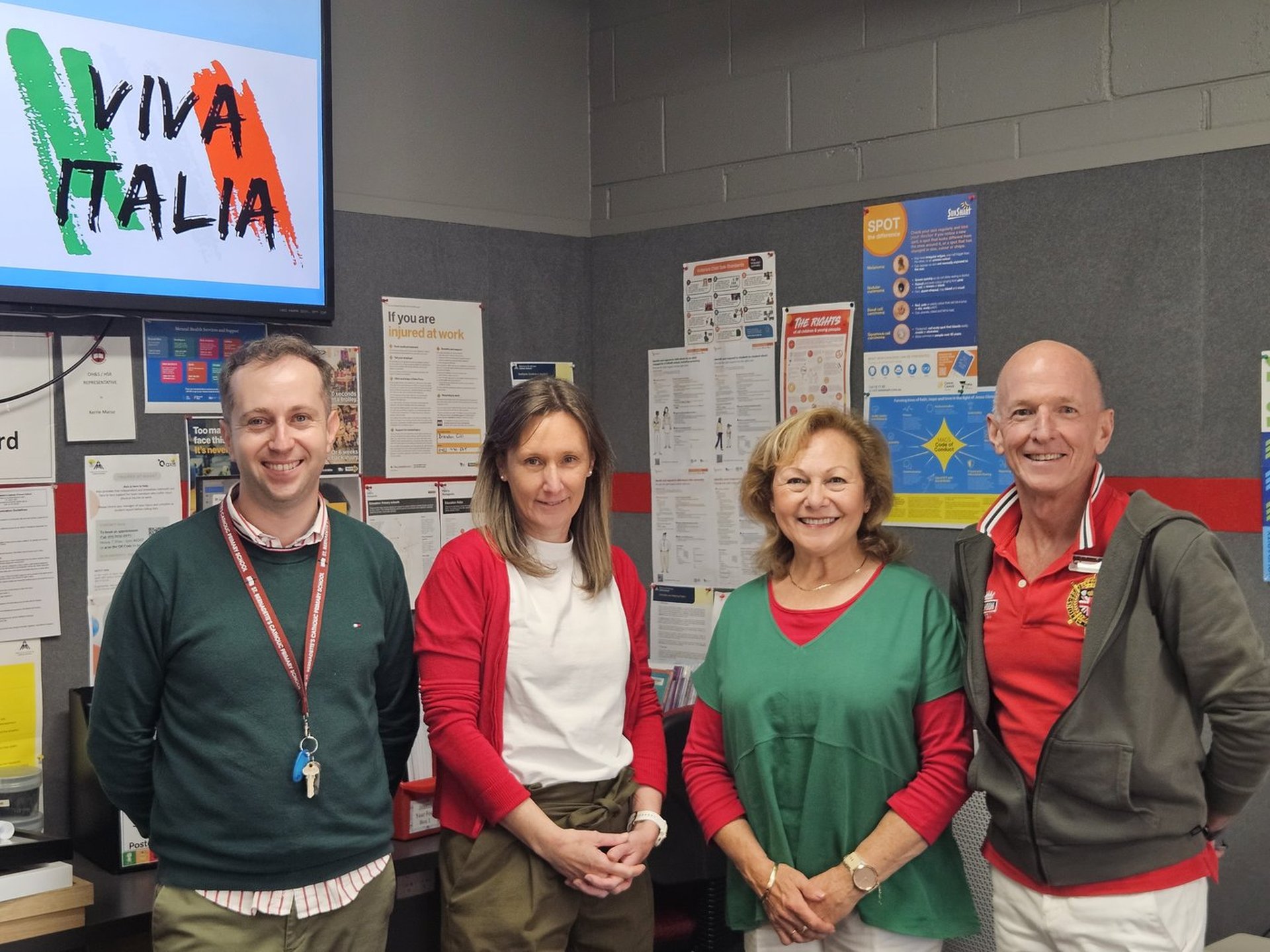
On November 6, Italian language and culture were celebrated at St Bernardette’s Primary School during an Italian Day, which involved all the school’s students in a series of activities that entertained the children and helped them end the week with a smile on their faces.
“Italian Day was a great success,” Maccio said. “Thanks to the support of all the school staff, I had the opportunity to organise a series of activities promoting Italian culture”.
The youngest students listened to the story of Pinocchio and created their own paper puppets; those in Years 3 and 4 decorated Carnival masks, while students in the final two years tried their hand at the art of Roman mosaics, starting with the history of Pompeii.
Art, history and culture were thus mixed with glue, colours and imagination. The children then got their hands into some dough, making pizza during a workshop organised for the occasion. A pizza maker demonstrated how to toss the dough before inviting some of those present to have a go themselves.
Thanks to the glorious sunshine, the outdoor activities were also a success. The treasure hunt tested intuition and speed. But the team gondola race and the pizza box race demanded energy even from the most athletic children. There were also bocce and soccer contests before everyone played tombola and caught their breath.
The second Italian Day certainly laid the foundations for it to become a more frequent event, particularly as, Maccio pointed out, families in the school community are very supportive of Italian teaching. “Most students already speak a second language at home, and perhaps that is also why they appreciate encounters with new and different cultures”.
Matteo Maccio teaches at St Bernardette’s Primary School in Sunshine North two days a week and spends the other three at another primary school.
His journey in Australia began as a language assistant more than ten years ago, through Melbourne’s Co.As.It. The experience, which was meant to be temporary, soon became a life choice: “I fell in love with Australia and the opportunities here, but I was also very pleasantly surprised by the presence of Italian in schools”.
Although he had already gained a degree in Italian Linguistics in Italy and training that qualified him to teach, Maccio had to navigate a very different system and return to study to complete a master’s degree.
Since then, he has never left the classroom, although he has moved from secondary to primary school teaching.
“The pedagogy changes, as does the way you manage discipline or motivate students,” he said, explaining that what he loves about primary school is “the role the teacher has as an educator and not just as someone who passes on knowledge.
With children, teaching values and managing their emotions take even greater priority, because their personalities are still developing”.
“I really like the relationship that develops with students over the years. You see them grow, observe how they develop up to pre-adolescence”, she reflects.
Continuity also makes it possible to build stronger bonds with students and their families, with effects that are directly reflected in classroom life and their language learning.