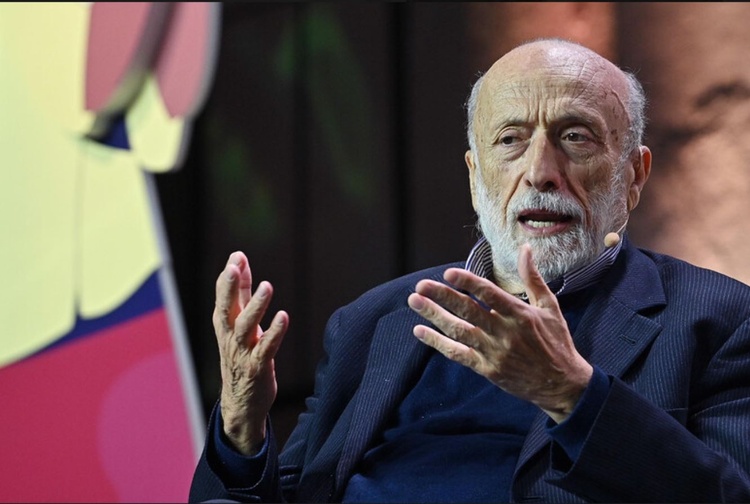
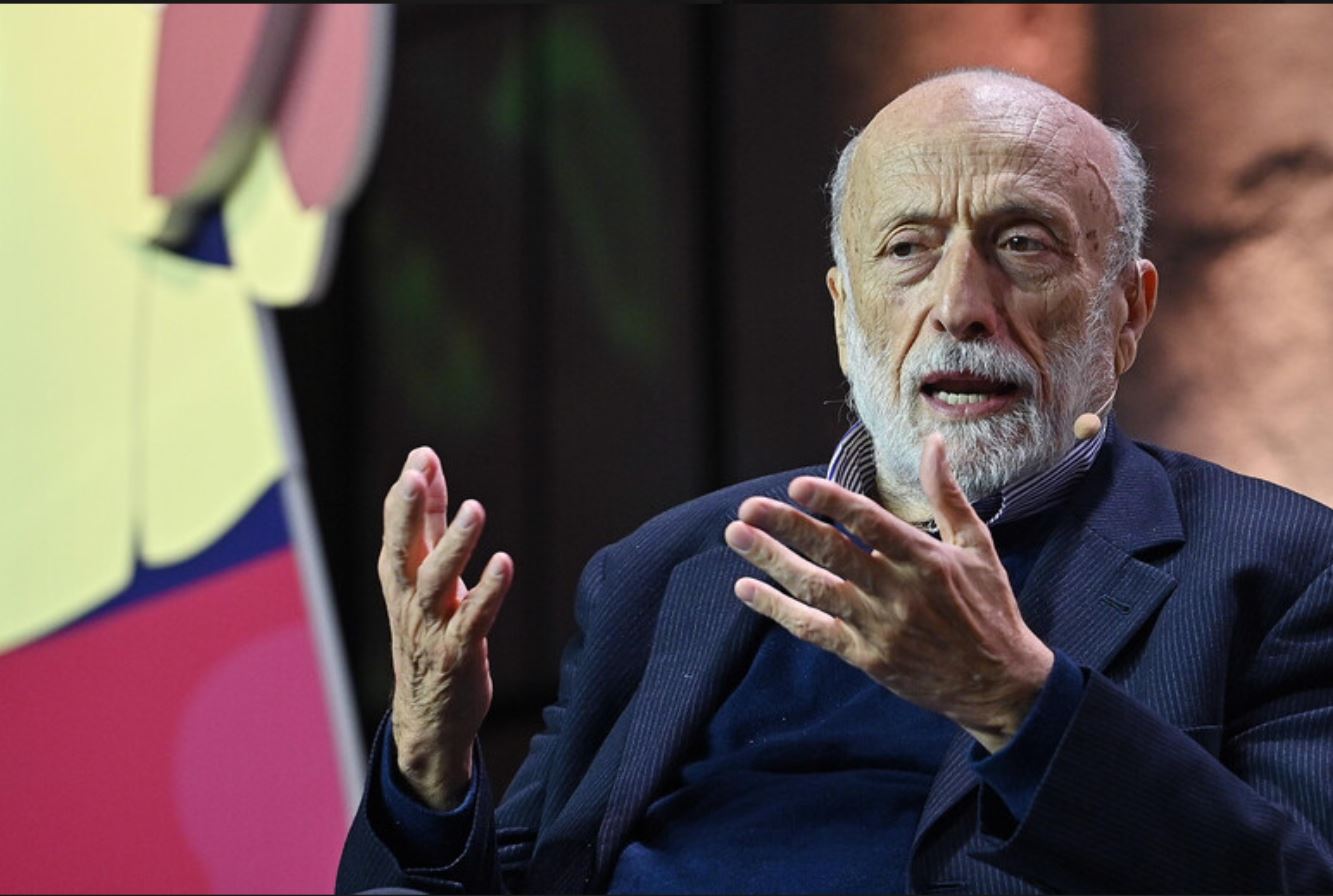
ROME – “Those who sow utopia reap reality,” Carlo Petrini often said.
The founder of Slow Food and one of the world’s leading advocates of sustainable food culture has died in Bra, in the province of Cuneo, the northern Italian town where he was born in 1949.
A gastronome, journalist, writer and activist, Petrini — affectionately known to many simply as “Carlin” — founded Slow Food in 1986, launching a movement aimed at defending the “right to pleasure” and promoting food that is “good, clean and fair.”
What began as a cultural response to fast food and industrialised eating habits evolved over the decades into a global network focused on biodiversity, environmental protection and food sovereignty.
Among Petrini’s most important initiatives was Terra Madre, the international network bringing together farmers, breeders, fishers, chefs, academics and consumers to support sustainable agriculture and protect local food traditions.
Slow Food described him as “a man deeply devoted to the common good and gifted with extraordinary vision,” pledging to continue the work he built over nearly 40 years.
Throughout his life, Petrini received international recognition for his commitment to environmental issues and sustainable development.
In 2004, Time magazine named him a “European Hero,” while in 2008 Britain’s The Guardian included him — the only Italian on the list — among the 50 people “who could save the planet.”
Another of his major achievements was the University of Gastronomic Sciences in Pollenzo, founded near Bra and widely regarded as the world’s first academic institution dedicated to an interdisciplinary approach to food studies.
In recent years, Petrini also promoted the Laudato Si’ Communities, a grassroots network inspired by Pope Francis’ environmental encyclical focused on caring for our “common home.” Although he did not consider himself religious, Petrini wrote the foreword to the encyclical’s San Paolo edition.