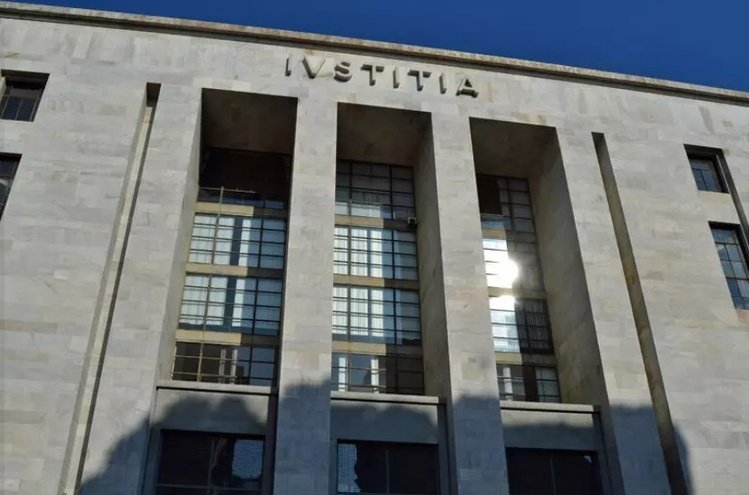
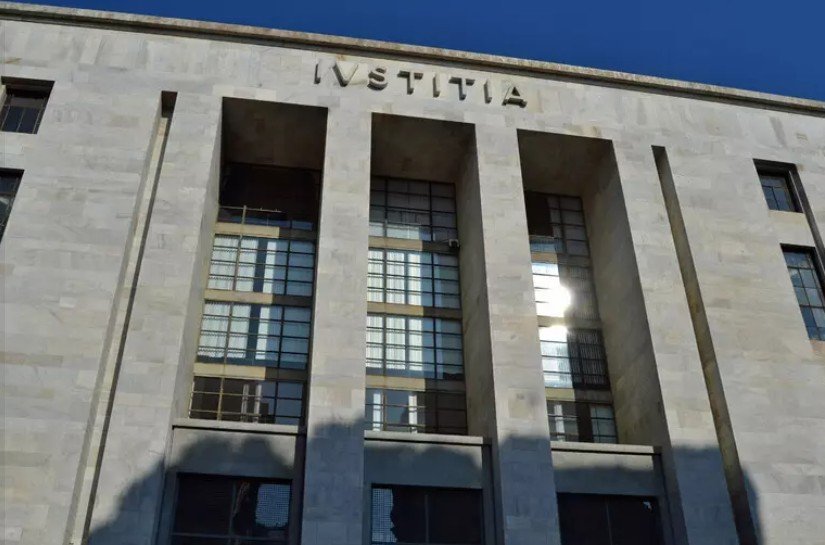
MILAN - Milan prosecutors Paolo Storari and Mauro Clerici have ordered the preventive detention of Ulas Demir — a suspect in the labour exploitation investigation surrounding the renovation and construction of the new US Consulate in Milan — on grounds of flight risk. Demir was apprehended at Orio al Serio airport.
A manager at the Italian arm of American firm Caddell Construction Co., Demir came under suspicion after a judicial inspection on 29 May uncovered “numerous violations” at the construction site. Intercepted phone calls recorded in the days that followed revealed what prosecutors describe as a clear intention to flee.
The day after the inspection, Demir purchased a plane ticket. He was detained this morning at Bergamo's airport as he was preparing to board a flight to Istanbul with his family, and has since been taken into custody.
The intercepted conversation, recorded on 29 May, captures Demir speaking with what investigators believe to be a superior.
The unidentified caller tells him: “Zafer says it would be better if you came over for holidays.” When Demir asks “Alright — wouldn't there be problems afterwards?”, his interlocutor replies: “I also spoke with Can Celik. They say that this way there could be more problems. He told me it could be more problematic if it happens the other way,” before adding: “So what's the earliest date you could do it? Have a think and talk it over with your wife.”
Both Demir and Caddell Construction are under investigation by the Milan prosecutor's office, with the company facing liability under corporate criminal responsibility laws.
According to investigators from the Carabinieri's Labour Inspectorate, workers at the site were employed “in conditions of exploitation, taking advantage of their state of need” — a situation prosecutors have described as amounting to near-slavery.
The workers, Indian nationals recruited through Dynamic House, a New Delhi-based agency, were paid less than three euros an hour. For ten to twelve hours of work a day, six days a week, they received between 1,200 and 1,500 euros a month — from which nearly 900 euros were deducted to cover food and accommodation.
Many had also paid up to 5,000 euros in their home country to intermediaries who had facilitated their passage to Italy. They arrived without any knowledge of the language, signing documents they could not read, and endured insults, physical abuse and threats.