MELBOURNE – The countdown is on to the Australian Open, Australia’s biggest sporting event and the one with the greatest economic impact on the country.
From 11 to 31 January, Melbourne will once again become the centre of the tennis world. And according to Tennis Australia, fans can expect plenty of changes and new attractions at next year’s tournament, with the first details revealed at a media launch on Thursday, 8 October.
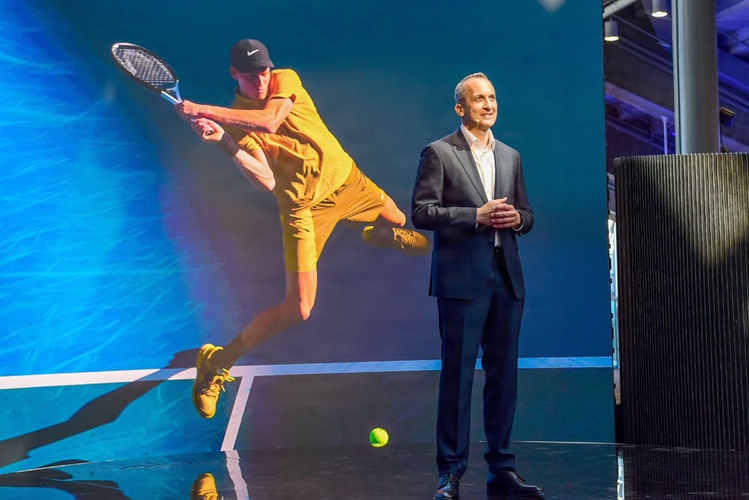
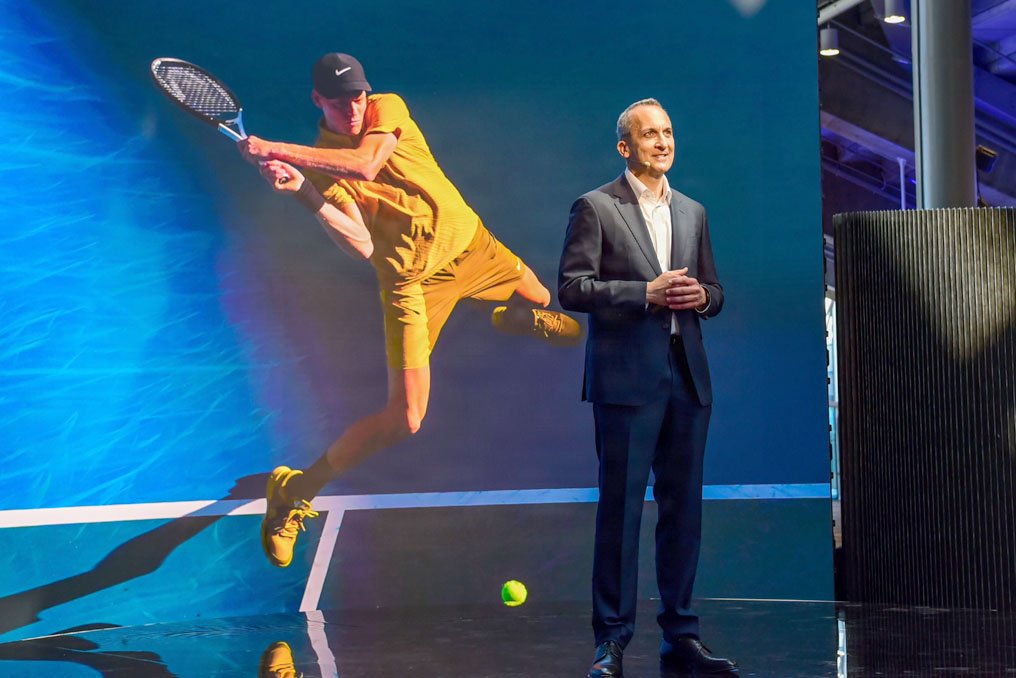
Andrew Abdo, the new CEO of Tennis Australia, is preparing for his first Grand Slam at the helm after 13 years with the National Rugby League. He has made it clear that the Australian Open will continue to evolve to keep pace with growing demand from fans.
Among the additions planned for January is the largest temporary grandstand ever built at Melbourne Park. The two-storey structure will provide an extra 700 seats and three times the amount of shaded space.
Abdo also outlined plans to limit the number of ground passes sold each day to ensure a better experience for spectators. A similar measure was introduced at the record-breaking 2026 tournament, which attracted 1.3 million attendees.
Fans, he explained, need to be able to enjoy what they have come for – the tennis itself – without missing out on the festival atmosphere, entertainment and shared experiences that have become such an important part of the Australian Open.
During the opening week, ground pass will cost just $10 for adults and $5 for children, part of an effort to make the event accessible to everyone.
Abdo has described his approach as a “relentless pursuit of growth”, with a particular focus on developing tennis at grassroots level, encouraging more children to take up the tennis racket and nurturing the next generation of players.
“I think I bring a fresh perspective, energy and new ideas,” he said.
“I’m not an outsider to leading in sport, and I’m not an outsider to understanding how to surround myself with incredibly talented, hard-working people to get the best outcome.”
Following the success of its inaugural edition last year, the 1 Point Slam will also return.
Four of the sport’s biggest names – Carlos Alcaraz, Coco Gauff, Naomi Osaka and Jannik Sinner – have already confirmed they will take part, facing amateur players in a competition that has proved so popular it has already been taken overseas.
“At the heart of the creation of the 1 Point Slam is our desire to even more deeply connect the AO to every tennis community in the country,” Abdo explained.
“It’s an opportunity to be part of the nation’s biggest sporting event, no matter where you are.
“Hundreds of clubs and communities across Australia are already running their own 1 Point Slam tournaments, giving players the chance to face some of the biggest names in tennis and be part of one of the most exciting events of the Australian Open’s opening week.”
Victoria’s Minister for Major Events, Anthony Carbines, also attended the launch and the press conference that followed, highlighting the importance of the Australian Open to both Victoria and Australia as a whole.
The tournament not only draws more than a million spectators to Melbourne, generating significant economic benefits, but also puts the city firmly in the international spotlight for three weeks.
“Last year, we reached a global audience of around 2.2 billion views,” Carbines said.
“Over the past 12 years, our government has invested around $1 billion here at Melbourne Park,” he added, describing the venue as one of the world’s premier sporting facilities.
Carbines also pointed to the broader economic benefits of the tournament, which supports the equivalent of 2,500 full-time jobs and generates 700,000 accommodation nights, contributing approximately $720 million to the economy.
Alongside the tennis, entertainment for all ages will once again play a major role in the event, together with a diverse food and dining offering that showcases Melbourne’s multicultural character.
During the final questions at the press conference, Abdo also moved to reassure tennis fans following comments he had made at an earlier event about the possibility of shortening men’s Grand Slam matches from best-of-five to best-of-three sets.
“Five-set tennis is here to stay,” he said.