Fate ensured that Carmel and grew up a Reservoir girl.
She remembers that houses were dotted around the landscape, horses roamed the paddocks – while schools were full of bi-lingual children of migrants trying to blend into mainstream Australia in the 1960’s and 70’s. An Australia which was, in general, barely “tolerant” of their presence, but a country that valued these migrants as they contributed much needed labour to the factories, farms, Snowy Hydro-electric scheme, and, businesses of the day.
Migrants, and their children shared a common experience, that of leaving behind some sort of conflict or post war chaos to see what sort of life could be experienced in Australia. The children who ran around the school yards each shared a migration story, however, racism and the impact of this marked their school years. Carmina became Carmel and she learned to toughen up – fast.
Carmel reflects that “as a young woman growing up in northern suburbs, the multicultural world did not make sense”. The young girl grew up experiencing a country that was full of opportunity, but the discrimination and misinformed anti-migrant attitudes blocked her path and soured her early years.
“Australia did not understand the importance of integrating people into society. We were expected to lose our culture, be quiet and just blend in. She elaborates, “There was no consideration at all for the toll on individuals and families who had to somehow create a life in a strange land where they were not always welcomed, and were far from any support provided by families and familiarity.”
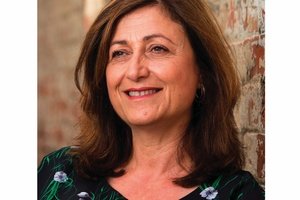
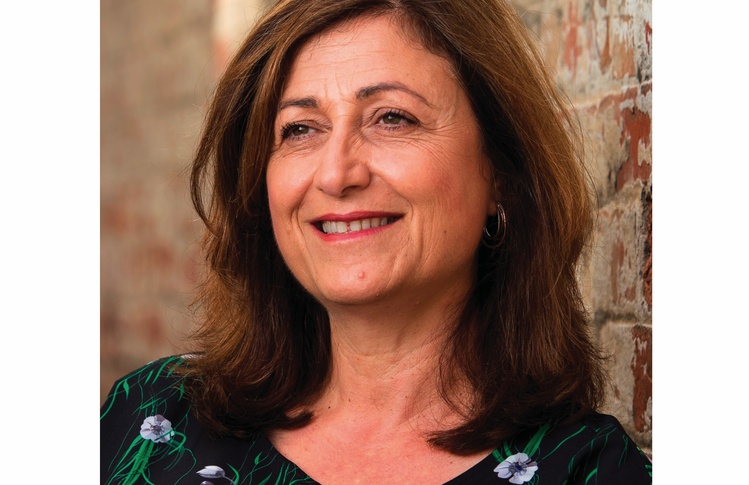
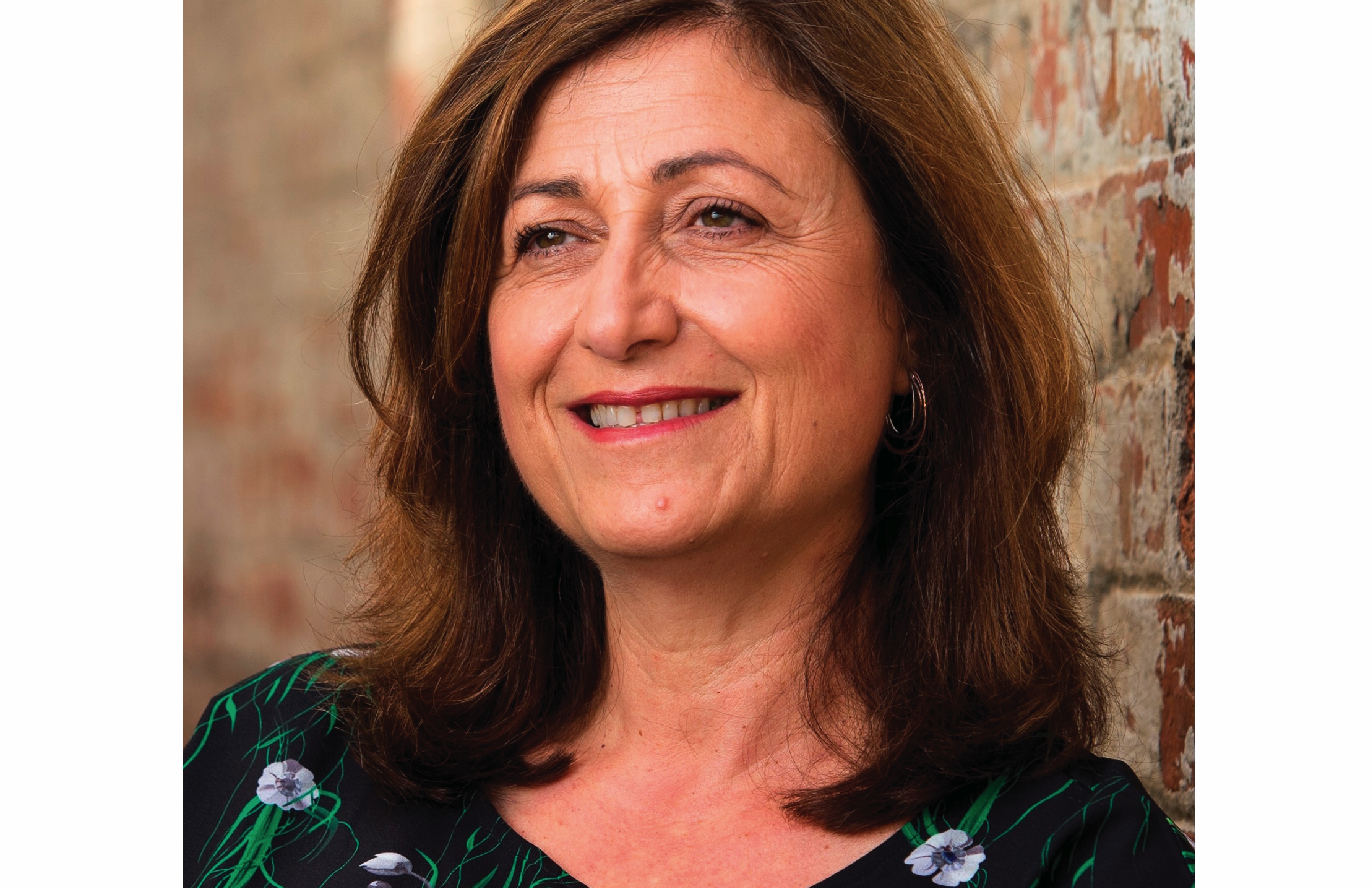
Little could she have imagined then that her feisty spirit in challenging the negative rhetoric that surround migration and migrants would be fundamental to shaping her her trajectory to become a respected community leader. In fact, Carmel received one of Australia’s highest honours – the Medal of the Order of Australia (2016) for services to the community, in particular to multicultural youth.
Carmel is the founding Chief Executive Officer of the Centre for Multicultural (CMY) and has dedicated over 30 years of her professional life to the work of the organisation. In this role, her goal is to ensure that the voices of multicultural youth are heard rather than marginalised, and that opportunities are forged rather than diminished - an experience she and her peers had to confront and one she is determined to disrupt for others.
CMY’s work focuses on ensuring that multicultural young people have a “fair go” – so, that they can connect to society and can reach their full potential in various areas of life. She explains that “all the community benefits when young people thrive.”
Carmel’s background as a social worker has been instrumental in understanding the challenges of young refugees and young adults of migrant background. She states, she will not let barriers to her work break her determination to make a difference.
Carmel’s experiences as a young woman have shaped her resolve and she celebrates those who take up their own responsibilities to create a more connected society – across generations, language and culture
“I don’t believe that just because Italians found migration difficult, that we should not intervene and make things better for newer migrants and refugees. We should draw on our own experiences to ensure everyone has access to support so that they can integrate successfully and connect with the community. We know what it is like to hear that we should just be grateful, the attitude that you are a migrant, just go and get a job. Be grateful don’t push. Be silent.”
In fact, Carmel knows the incredible power of a helping hand. When first entering school as a six year old speaking dialect, Carmel befriended a child of Anglo-Celtic background (who was at times teased for her friendship with Carmel). The two became close friends, shared food: cotallette and shephards pie; cannoli and cream buns. Also, festivities such as la communione (Italian style). The friendship forged on shared respect and openness was instrumental in providing Carmel with a sense of belonging.
The friendship was extended to Carmel’s family. Her friend’s mother stepped up to help the family navigate a foreign system made up of documents and processes which seemed impenetrable. The girls valued the safe space created as the two mothers bonded and helped each other. “We became lifelong friends, in fact, I am godmother to her son, and the family bond continues.”
Carmel knows that migrants do not want to just survive. They, and their children, want to play a full part in civic society. Not just sit at the fringes. “Migrants want to contribute and move forward. They are entrepreneurial, innovative, creative and committed to settlement. I worry that perhaps Italians are getting too comfortable and forget their past struggles which are similar to those experienced by newer migrants.”
Carmel considers herself as “very Italian”, based on a deep appreciation of many aspects of Italian culture. In fact, her time spent studying in Siena as a young woman has provided her with a sense of the complexity and depth of Italian culture and allows her to navigate being bi-cultural.
Dialect, love for Italian cinema, following Italian traditions, cooking Italian food for her family amongst other aspects are all ways of expressing her deep love for Italian culture. Carmel understands that being able to express one’s culture is connected to maintaining a sense of identity. Also, being free to pass on cultural elements to the next generation is also invaluable.
Her mantra is that there is no competition, “pride in cultural heritage does not have to be abandoned because you have a deep sense of commitment to Australian society.”
Through her work Carmel explains she has tackled the same question “How do we continue to create the sort of social cohesion we need to move forward as a modern society? A question that is still pertinent today as society shifts in composition and in expectations as it was in the early 1970’s when the White Australia policy was finally eliminated by the Whitlam government.”
Carmel is strong in her opinion that we “cannot be tokenistic in our approach - we each have a responsibility to create a cohesive multicultural society. It doesn’t just happen.”
Her contribution towards fulfilling this responsibility is certainly extensive. In 2024 -2025 she was part of the team with George Lekakis AO who was tasked with undertaking Victoria’s Multicultural Review.
Over the 30 years Carmel has carved out a reputation for championing multiculturalism and never shying away from the hard conversations. “I feel that it has been a privilege to sit on various steering groups, committees, advisory bodies, all with a view to building a more inclusive community.”
Carmel’s views on the re-emergence of the narrative around monoculture is clear, “the fallacy of valuing a monoculture is based on fear. It tells us to lose our identity, our language, our sense of self. It is a fallacy to even think Australia has ever been monocultural.”
She adds, “We are hearing the same things being said of new migrants that we heard said about our parents. The second and subsequent generations now enjoy the ability to express their culture, but the first generation had to go through what migrants today go through: not being able to speak Italian in public, being reviled about religion, treated almost as if we were second class citizens!”
The list of accolades and leadership roles is long. Carmel Guerra by name, multicultural warrior by choice. Carmel received a Deakin Honorary Doctorate for distinguished service to the Australian community especially to migrant youth, social inclusion and cultural diversity in 2022. She also, the Victorian Premier’s Award for Community Harmony (2015). She has been inducted into the Victorian Women’s Honour Roll (2005) for her staunch contribution to women’s rights.
Carmel was also awarded a Fellowship to go to Harvard University. “Never in a pink fit did I feel that I would go to Harvard University, it was life changing. That is the power of a new start in Australia. From semi-illiterate parents to an honorary doctorate. This is the story of migration.
The Italian community in Australia has a history of quite firebrands – it seems that Carmina Guerra can be counted as one of them.