SYDNEY – At Bethany College, Italian isn’t confined to the four walls of a classroom. You hear it in the hallways, during cultural activities, educational excursions and cooking workshops.
Through immersive lessons and trips exploring European cultural roots, the language programme at this all-girls school in Hurstville has become, over the years, one of the institution’s defining features.
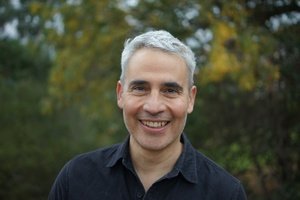
Leading the charge is Marco Gianni, Head of the Languages Department, who was born and raised in Australia to an Abruzzese family originally from Raiano, in the province of L’Aquila.
Alongside Italian and French classes, Gianni also coordinates the Travel Guides course — a subject designed to introduce students to the languages and cultures of Europe’s major countries, focusing on “what’s worth seeing as a tourist,” he explains.
“During the course we dedicate a term each to Italian, French and German. Just a taste of Europe’s main languages, along with practical tips for travelling across the continent.”
In Italian lessons, Gianni and his colleague Enza Criniti are joined by a language assistant who brings an authenticity to the classroom that keeps students connected to contemporary Italian and the ever-evolving culture of the Bel Paese.
“It’s an extra pinch of Italy in every class,” the teacher says. “For the girls, it’s really valuable to engage with someone who actually grew up in Italy — someone who can explain modern expressions or shed light on aspects of everyday life that change over time.”
Recently, a lively classroom debate broke out over the word ni — an ambiguous half-yes, half-no response — which many students had never come across before.
The language is used as much as possible. “Lessons always start in Italian,” Gianni notes, explaining how students are encouraged to use simple expressions from the very beginning — greetings, everyday vocabulary — gradually building confidence in conversation. Grammar remains important, but it’s always paired with hands-on cultural activities.
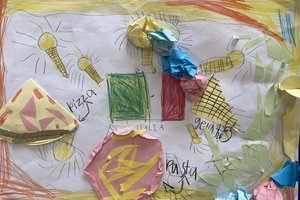
“We talk about Italian holidays, watch videos on the Venice and Viareggio carnivals, discuss Easter, Valentine’s Day and regional traditions,” he says. The classrooms are decorated with Italian imagery and posters to reinforce that immersive atmosphere. Food and cooking feature prominently too, being among the most engaging and effective ways to draw students into the language and culture.
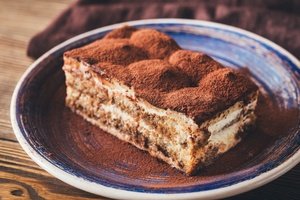
The school organises a Gelato Day, where students must place their order entirely in Italian, while the Piatto Perfetto project challenges them to tackle traditional recipes — including salame di cioccolato, a firm favourite among the young cooks, who follow the instructions in Italian under the guidance of chef Luca Roncari.
But the experience that has made the deepest impression in recent weeks was undoubtedly a three-day trip to Melbourne, organised for senior classes by Gianni and Criniti after months of planning and research. The aim: to show students just how deeply Italian culture is woven into the fabric of Victoria’s capital — the Australian state with the largest Italian-born community in the country.
After visiting Lygon Street, the historic heart of Melbourne’s Italian community, the group took part in a cooking class — making gnocchi and bomboloni — toured the Co.As.It. Italian Museum, and browsed the aisles of Italian grocers including La Manna and Mediterranean Wholesalers.
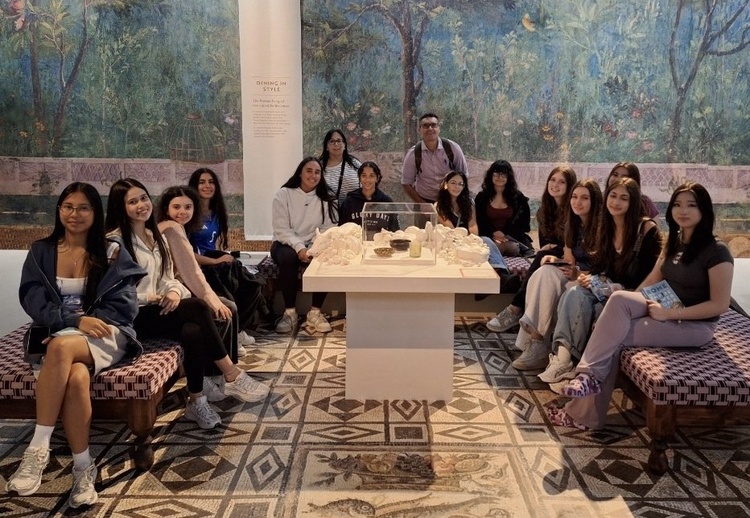
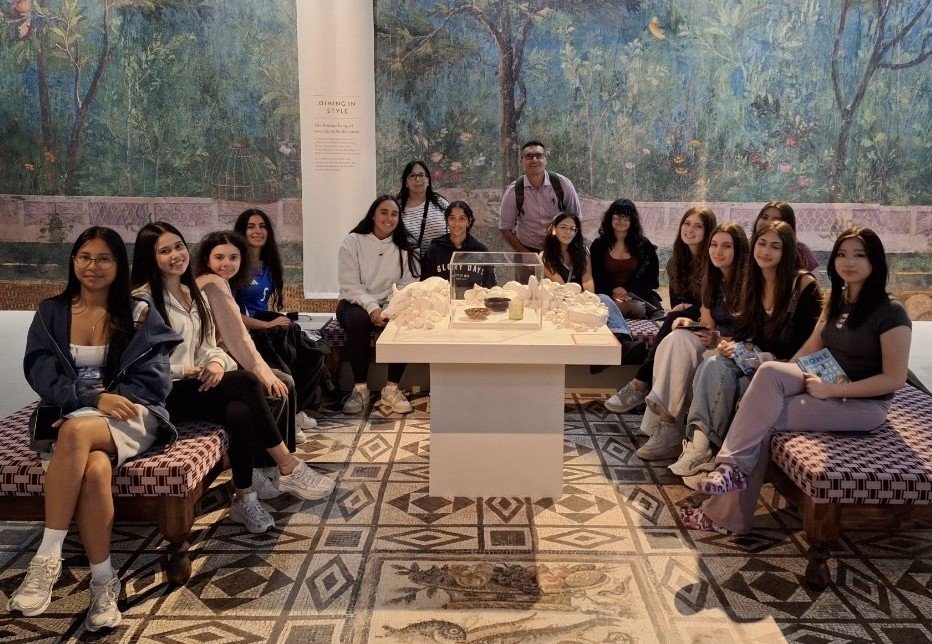
One of the trip’s highlights was a visit to ROME: Empire, Power, People, the major exhibition on ancient Rome currently showing at the Melbourne Museum — the students’ first truly interactive encounter with Roman history.
“They were all absolutely captivated,” Gianni says. One of the most popular rooms was dedicated to the Colosseum, where the girls posed for photos pretending to watch gladiatorial combat, briefly transported into the atmosphere of ancient Rome. “For them, it was a chance to feel like they were in Italy — without having to travel quite so far,” he says.
The visit also sparked some unexpected historical and artistic conversations. Standing before mutilated Roman statues, many students wanted to know why the noses were so often broken. The question opened up a discussion about the symbolic significance of destruction in antiquity and the popular rage directed at certain historical figures — turning a museum visit into a genuinely rich educational moment that tied language, history and culture together.
The dedication of Bethany College’s language teachers extends well beyond the classroom. During lunch breaks, extracurricular activities include trivia challenges, Eurovision watch-alongs and participation in the Italian Film Festival.
And perhaps the greatest reward for all that effort comes in the simplest moments.
“When we walk through the corridors, we constantly hear girls greeting us with ‘ciao prof’ or ‘buongiorno’ — even students who no longer study the language,” Gianni says.
After the pandemic years, which put an end to the school’s European trips, initiatives like the Melbourne excursion represent a new way of staying connected to Italian culture — proof that the language doesn’t live on the pages of a textbook, but in the community itself: in the streets, the shops and the museums.