Getting to the iconic Queen Victoria Market, one of Melbourne’s landmarks and still the largest open-air market in the southern hemisphere, is becoming increasingly difficult. With construction sites, road closures, traffic and rising costs, traders fear that difficulties accessing the area will end up deterring customers, just as the market undergoes a major transformation.
The redevelopment project, designed to preserve the area’s heritage and modernise its facilities, continues amid high expectations and deep dissatisfaction; for some traders, the disruption caused by the works is becoming increasingly difficult to bear.
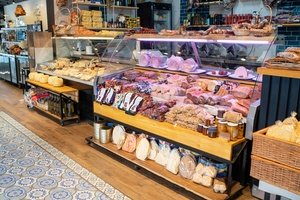
Frank Fontana, owner of Fontana Brothers, has also complained about the difficulties caused by the numerous construction sites and road closures around the market, which make it harder for customers to get there and risks discouraging them from visiting.
“There’s a construction site on practically every corner, there are roadblocks everywhere; it’s very difficult to get to the market,” he explained.
According to Fontana, the problem is particularly evident early in the day, when roadworks and traffic overlap, creating long queues in the surrounding streets.
“When roadworks start at seven or eight in the morning, traffic begins to build up. It takes customers a long time to get to the market,” he added.
Difficulties finding parking and the rising cost of travel also make a visit less worthwhile. According to the longstanding trader, the situation risks turning a simple visit to the market into a frustrating and decidedly expensive experience.
“It’s more expensive to get to the market, because travel already costs more. Then you might spend half an hour or 40 minutes looking for parking, and in the end you have to pay for it too. It’s a deterrent to coming to the market,” Fontana said. “Now getting to the market can cost you an extra $20, simply because of the cost of petrol and diesel.”
The trader acknowledged that not all the problems were down to the market’s management, but believed there was scope to take action and make the area easier to access.
“There are many difficulties: some can be addressed directly, others are beyond their control. The cost of diesel, for example, is not something they can change. But, knowing the problems customers face, they should be asking themselves what they can do to make the market as accessible as possible. Otherwise, people might simply decide not to come anymore,” Fontana added.
The difficulties associated with the redevelopment are part of a broader climate of tension between traders and management, marked by concerns about the market’s management, communication and future prospects.
The organisation’s leadership is also undergoing change: chief executive Matt Elliott and board chair Jane Fenton have announced their resignations at the end of their respective terms. Fenton, who has led the board for seven years, will be replaced by Judith Swales, the current chair of Super Retail Group. Senior legal counsel Jeffrey Tan and head of operations Desmond Dobbyn have also left the organisation, marking further turnover in senior leadership.
An independent review conducted by KordaMentha has gathered the views of more than 350 stakeholders on Queen Victoria Market’s operations. The final report, focusing on the market’s governance and management, is expected to be delivered to the City of Melbourne, Melbourne’s municipal administration, by March 2027, when the council will consider the findings and recommendations.
The review followed years of tension, which also culminated in the historic strike of February 2025, and came at a time when traders had voiced concerns about rising operating costs.
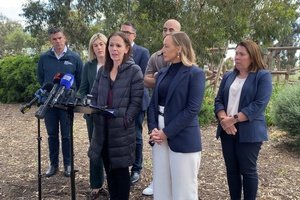
Asked for comment, a City of Melbourne spokesperson reiterated the local government authority's support for traders and commitment to investing in the market’s future.
“Traders are the beating heart of Queen Victoria Market. That’s why we are supporting them as we protect and transform this world-renowned precinct,” the spokesperson said.
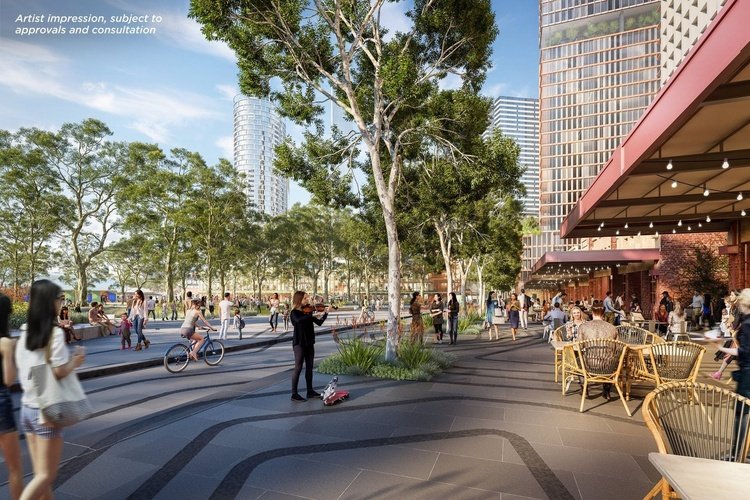
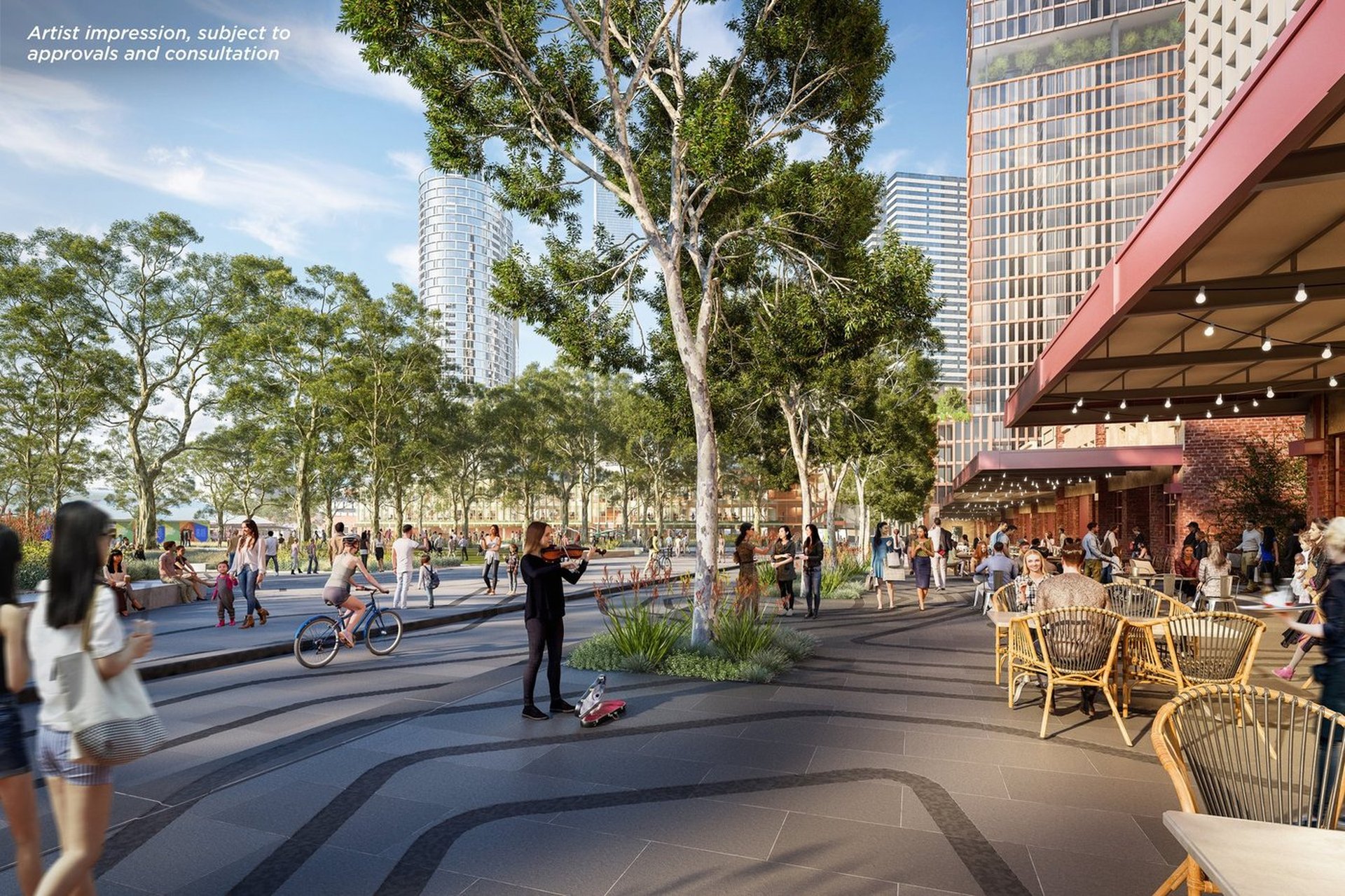
The planned works include the opening of the new “Trader Shed”, expected in the coming months, offering four levels of climate-controlled underground storage and new infrastructure designed “to improve working conditions for traders”.
The council argued that the redevelopment could represent “a necessary investment in the market’s future”, with the aim of increasing visitor numbers and enhancing what makes Queen Victoria Market unique: its history, its character and the people who bring it to life every day.
“The redevelopment will bring thousands more visitors”, it added.
For traders, however, the future of Queen Victoria Market will depend not only on the new facilities, but also on ensuring that customers and visitors continue to find the market accessible, affordable and vibrant.