After eight years of negotiations, this deal opens a pathway to diversify markets, build resilience and unlock long-overdue export potential.
The numbers tell a compelling story. Victoria exported $37.2 billion in goods globally last year, but only $1.8 billion reached the EU, highlighting the scale of untapped opportunity.
With access to a market of 450 million people across 27 member countries, Victorian producers are poised to expand into one of the world’s largest and most stable economies.
At its core, the FTA removes the vast majority of EU tariffs across key sectors that underpin our state’s export strength.
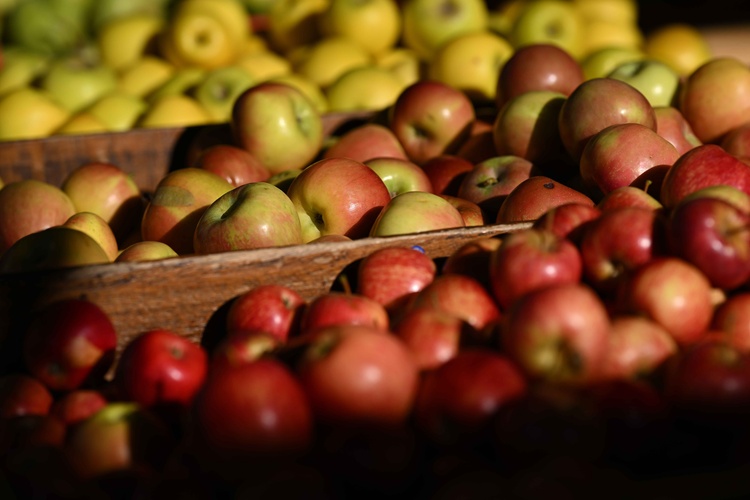
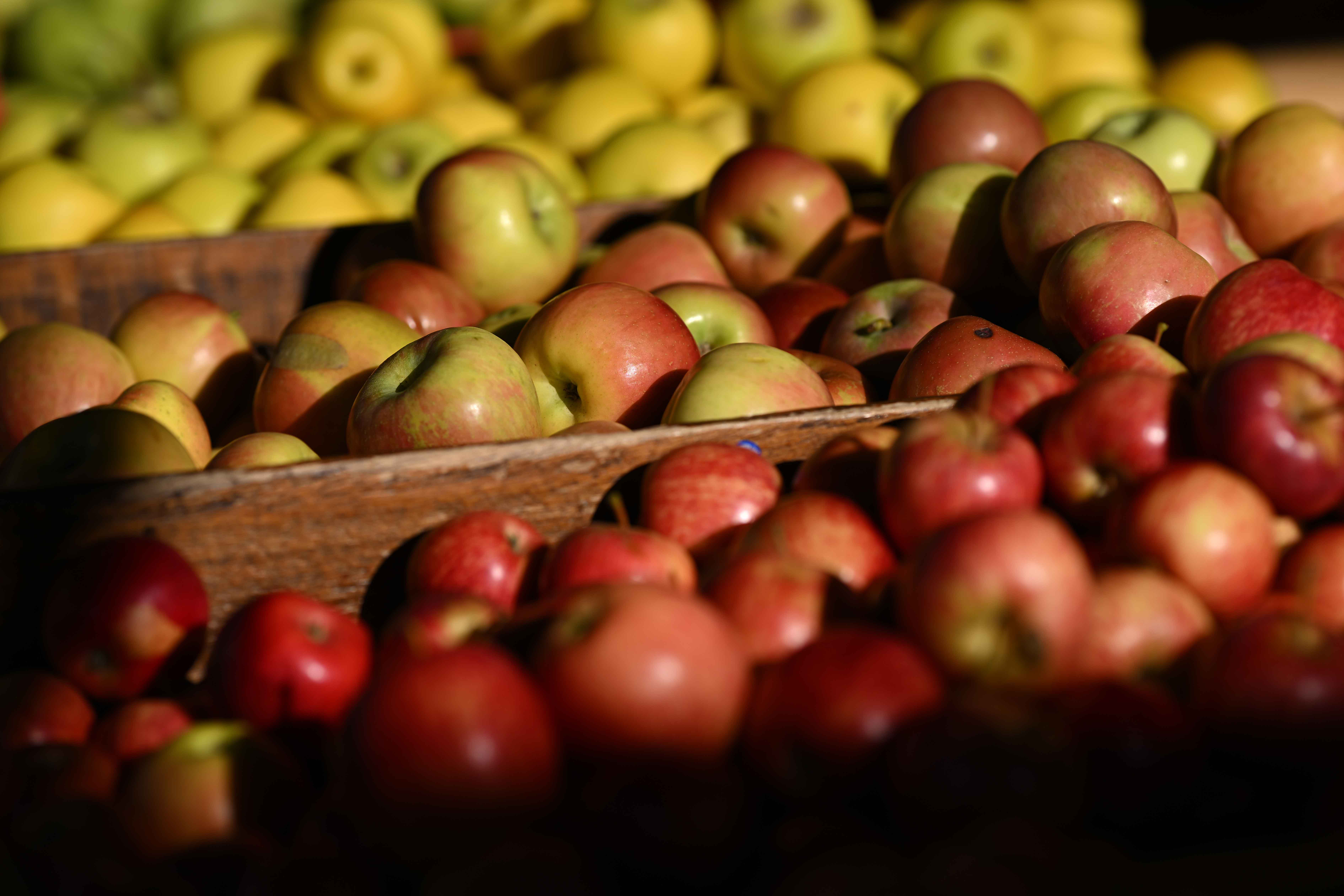
Victorian exporters will benefit from the elimination of tariffs on wheat and meslin, barley, brown and broken rice, vegetables and pulses, fresh fruit, tree nuts, seafood, cheese and wine.
For seafood exporters, this includes tariffs that previously reached as high as 26 per cent.
Wine exporters stand to save millions, and our producers will be able to continue to use the term Prosecco in Australia, indefinitely.
Red meat producers will also see significant gains, with beef market access rising to 35,000 tonnes and sheep meat to 30,000 tonnes – increases of 700 per cent and 500 per cent respectively.
Immediate EU market access through annual duty-free tariff rate quotas will be available for exporters of natural butter (5,000 tonnes), skimmed milk powder (8,000 tonnes), and milled/semi-milled rice (5,000 tonnes, rising to 8,500 tonnes over five years).
But the importance of this agreement extends beyond agriculture. It positions Victoria to compete in advanced sectors, including clean energy and critical minerals, where tariff-free access and closer collaboration with European partners will drive innovation and investment.
Crucially, this deal is part of a broader plan to diversify Australia’s trade relationships.
In 2022, the Albanese Government inherited $20 billion in trade impediments affecting exports to China. Through calm and consistent engagement – led by Minister for Trade, Senator Don Farrell – those barriers have now been removed.
In addition, the recently implemented free trade agreement with the United Arab Emirates is already demonstrating the value of opening new markets, with growing demand across the Middle East for Australian agricultural, industrial and services exports.
At a time of global uncertainty, the Albanese Government’s strategy matters more than ever.
Once the Australia-EU FTA is implemented, Australia’s network of trade agreements will cover nearly 90 per cent of the globe.
For Victorian producers, farmers, manufacturers and exporters, this means more markets to sell into and greater resilience when conditions change.
Senator Raff Ciccone is a Federal Labor Senator for Victoria and Chair of the Parliamentary Friends of the European Parliament.