It was September 12, 1975, when the market officially moved from Haymarket to Flemington, at the time a peripheral area but now in the heart of metropolitan Sydney.
Half a century later, Sydney Markets Limited handles more than 2.5 million tonnes of produce each year, employing thousands of people including traders, transporters and intermediaries.
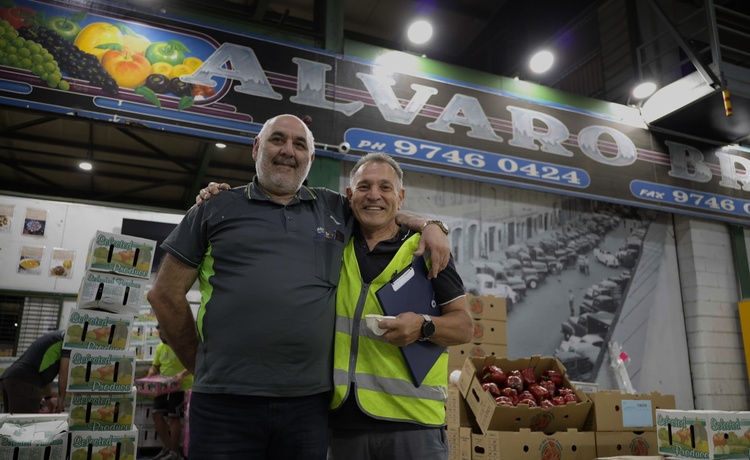
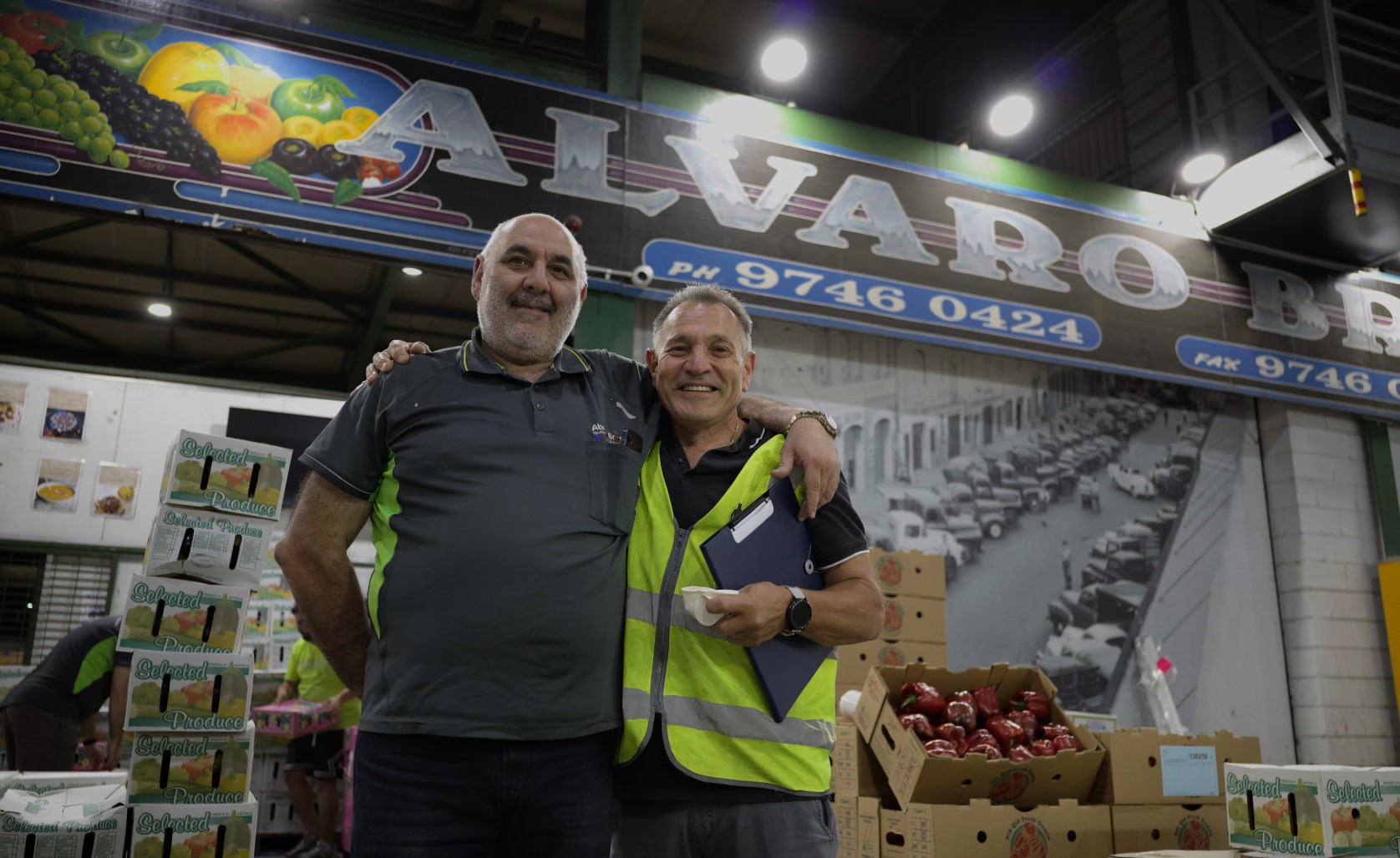
Behind those numbers are faces, families, accents and dreams that have spanned generations - many of them Italian. Domenic Foti is one of those who has seen it all. “When we arrived here in the 1970s, everything was done by hand with trolleys. Now there are forklifts and pallets, you hardly touch anything anymore,” he said.
Foti embodies the market’s transition from craft to modernity. Having come from the old Haymarket site, he remembers when Italians made up the vast majority of workers: “We were almost all Italians once; now maybe a third remain. Many have passed away or retired, and their children didn’t want to continue. The hours are brutal, agents start at eleven at night and finish at noon. It wears you out.”
Yet behind the fatigue lies pride. “We brought to Australia products that didn’t exist here before: artichokes, chicory, endives, eggplants, zucchini. We grew them here, starting from seeds that came from Italy,” he recalled.
From the wooden crates and the scents of basil and mint, you can still trace an agricultural culture that took root thousands of kilometres from home. Domenic Polistina has witnessed the same transformation. “When I started in ’75, there were dozens of Italian growers,” he said, “Now you can barely find one. The farmers’ children don’t want to do this job anymore.
“In the 1980s I had 40 or 50 suppliers of green beans; today, if I’m lucky, I have three.”
Polistina knows that this decline is not only economic but cultural. “Land is too valuable, costs are sky-high and young people don’t want to work at night anymore. It’s a chain that’s slowly breaking.”
In recent years, there has been much discussion about Flemington’s future. Sydney Markets has launched studies and development plans, including the possibility of expanding or relocating some operations further west, near the Western Sydney Aerotropolis, while urban renewal and zoning projects are underway at the current site.
For now, however, no official decision has been made, and the market continues to operate at full speed in its historic Flemington home.
Among the aisles, the voices and stories continue. And while, as Polistina notes, fewer young people are stepping in to carry on the legacy, there are still families who, whether happily or wearily, wake before dawn to supply the city.
Eighty-three-year-old Vincenzo Lagudi has been at the market for sixty years and has no plans to stop. “Better this than sitting in front of the television - this is life,” he said.
The Antico family began with a small fruit shop in Mascot and went on to supply Qantas for twenty years, a story of resilience and entrepreneurial spirit. Antonio Alvaro also recalls the days “when most of the operators were Italian” while Joe and David Zappia, sons and grandsons of Calabrian traders, continue a family tradition that began in 1959.
The story of Flemington is woven from such intersections: mingling dialects, crates passing from hand to hand, trucks arriving from all over the country. Though smaller today, the Italian community still leaves an indelible mark: in the warehouse names, in habits and in the enduring sense of belonging that outlasts change.
Half a century on, the market is no longer what it once was. Supermarket chains have changed the rules, small growers struggle to survive and sustainability has become the new frontier. Rising costs, tighter regulations and climate change are reshaping an economy that never sleeps.
Yet the market remains a microcosm of identity and humanity. Flemington is still a meeting point where postwar rural Italy and 21st-century multicultural Australia continue to speak to each other through the scents, gestures and rhythms of those who work long before sunrise.
As Foti puts it, “We don’t just sell fruit here, we sell family stories [of] generations that woke up before dawn to feed an entire city.” And perhaps that is, and always was, the true heart of Flemington Market.